Avina Picks
The Best Retinol Serums and Creams
Start with a disclosed low strength and a fragrance-free formula. Our pick for most people is Paula's Choice 0.3% Retinol; on a budget, CeraVe's Resurfacing Retinol Serum.
The short answer
- Start low and fragrance-free: our pick is Paula’s Choice 0.3% Retinol, a stated strength with a ceramide and oat around it.
- On a budget, CeraVe Resurfacing Retinol Serum is the easiest first retinol, but it does not say how strong it is.
- To go a step further, try retinal, which beat retinol at the same strength in one split-face trial: Medik8 for a step-up system, Geek & Gorgeous for value.
- For acne, Differin adapalene 0.1% is the strongest-evidence option without a prescription.
- Whatever you choose: a pea-sized amount, every other night at first, and daily sunscreen.
How we chose: we read the ingredient lists of all 868 retinoid face products in Avina’s catalog, then the labels of 21 contenders line by line. We did not test them on skin. Our method
Our picks at a glance
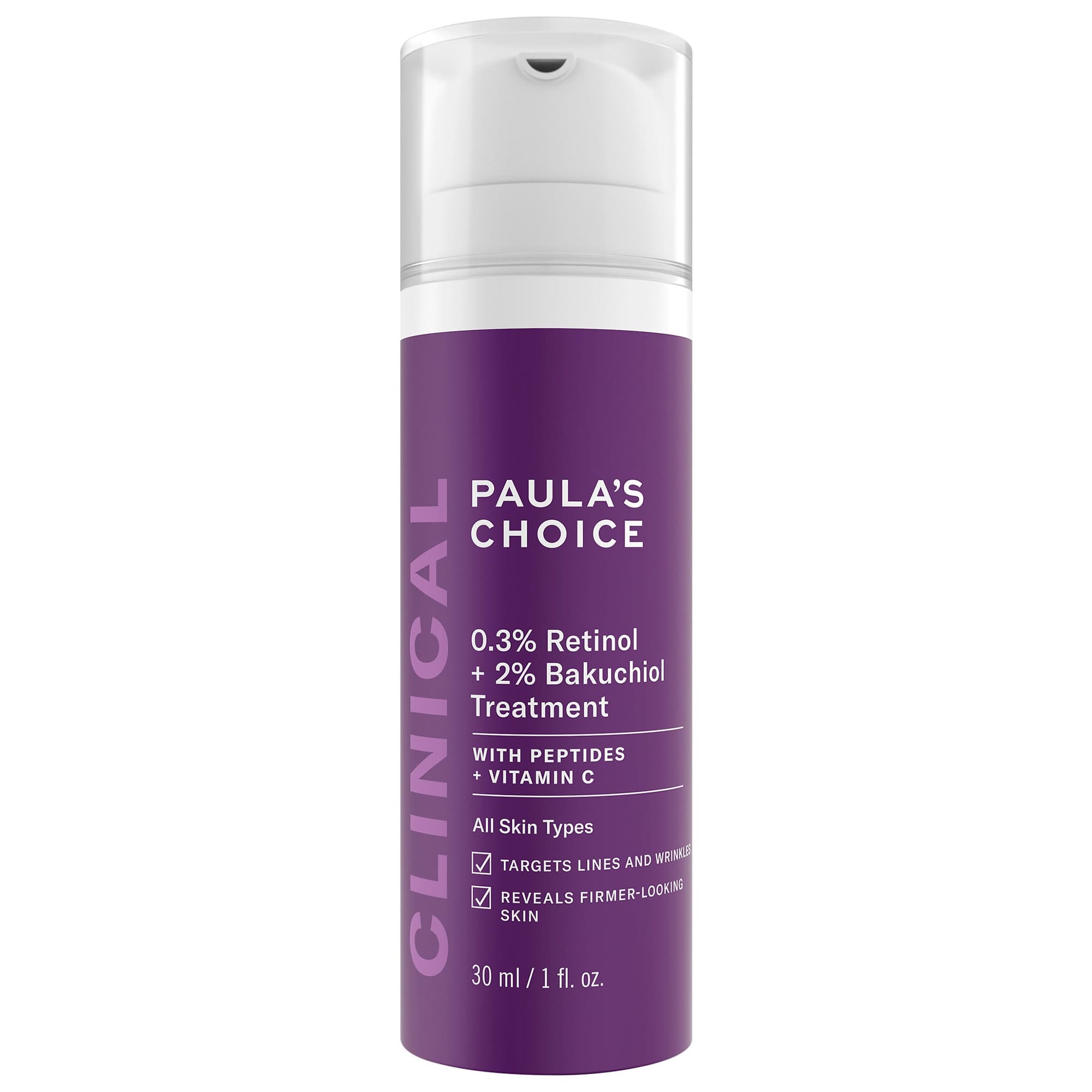 Best overallPaula's Choice Clinical 0.3% Retinol + 2% Bakuchiol Treatment
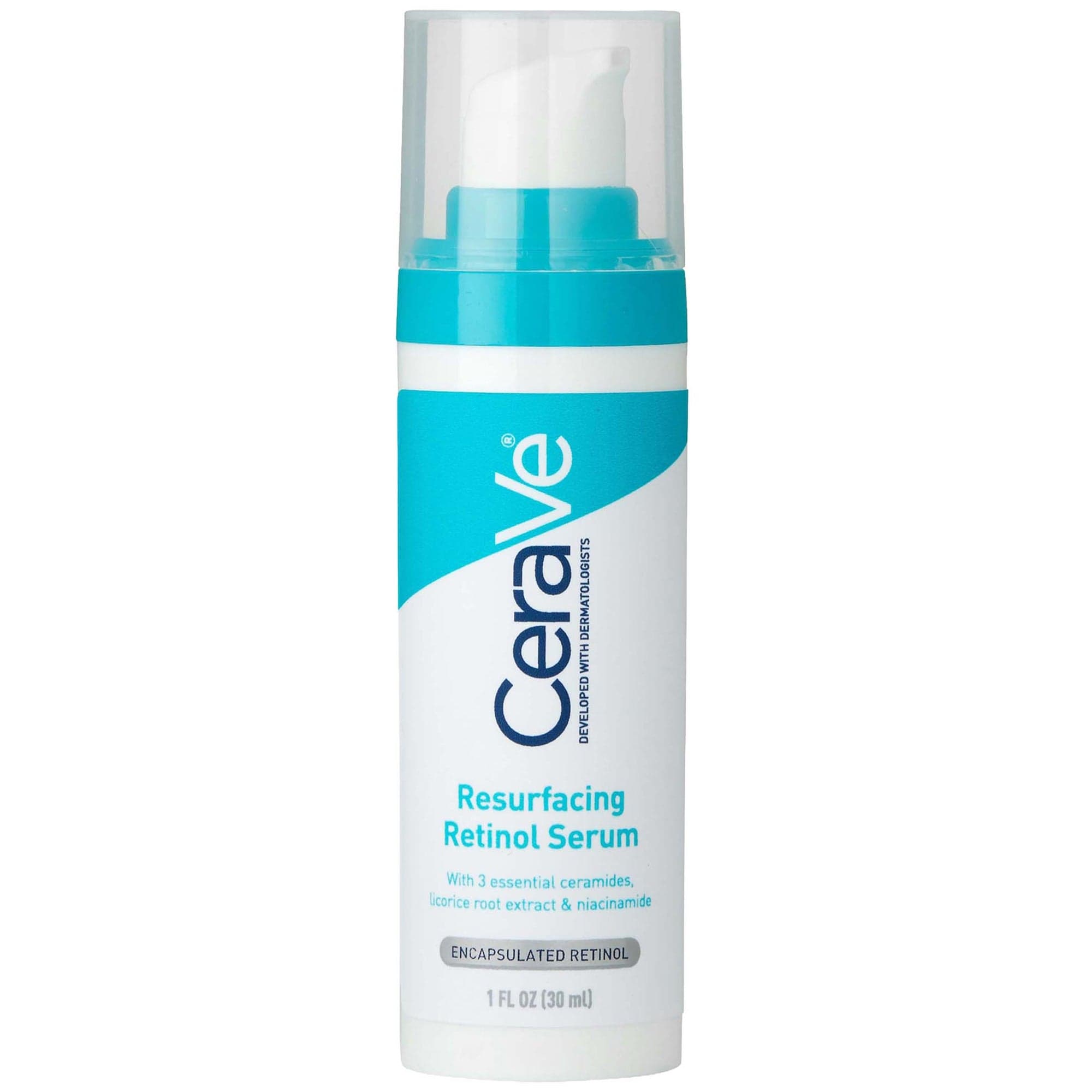 Best budget, and the easiest first retinolCeraVe Resurfacing Retinol Serum
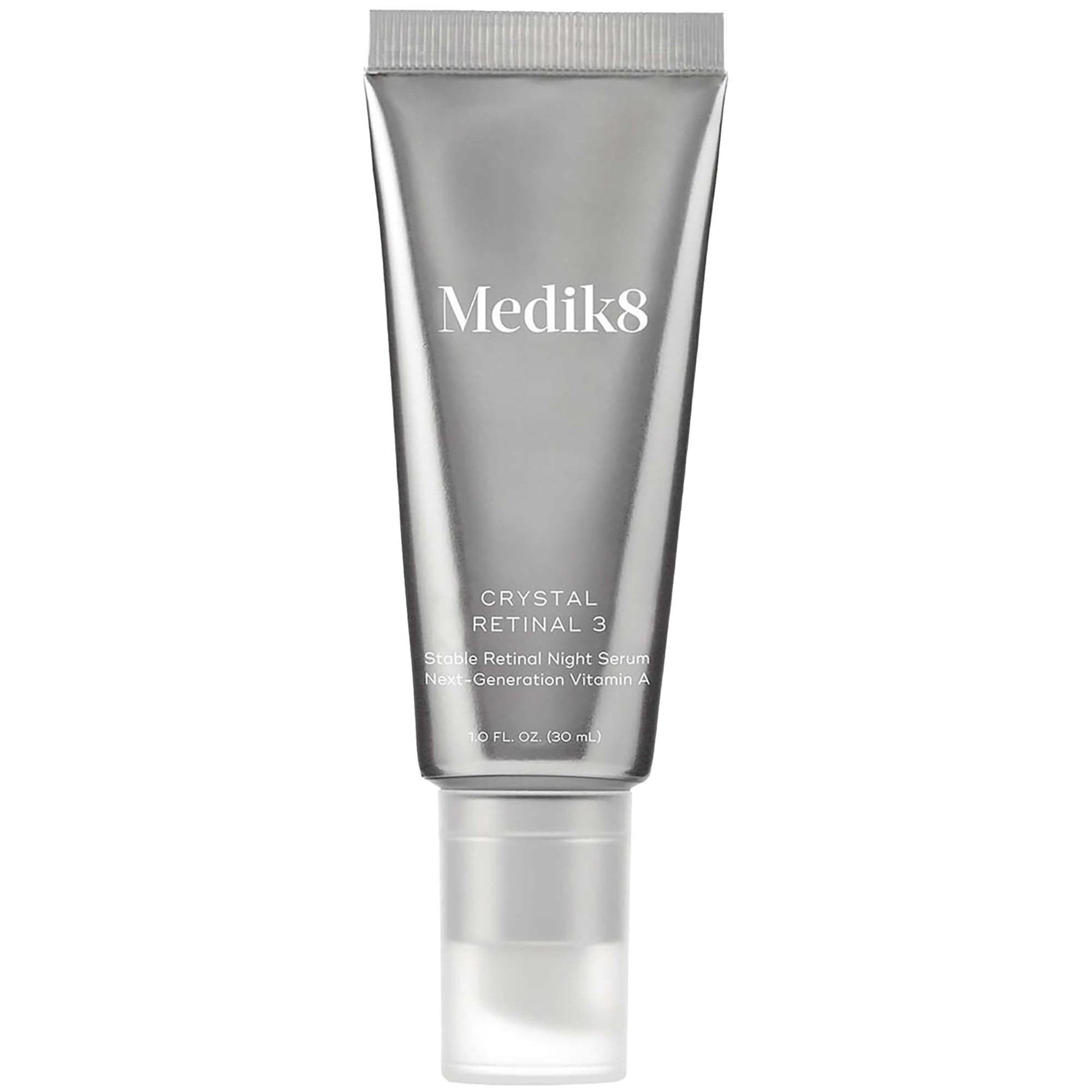 Best retinal, with a strength for every stageMedik8 Crystal Retinal 3
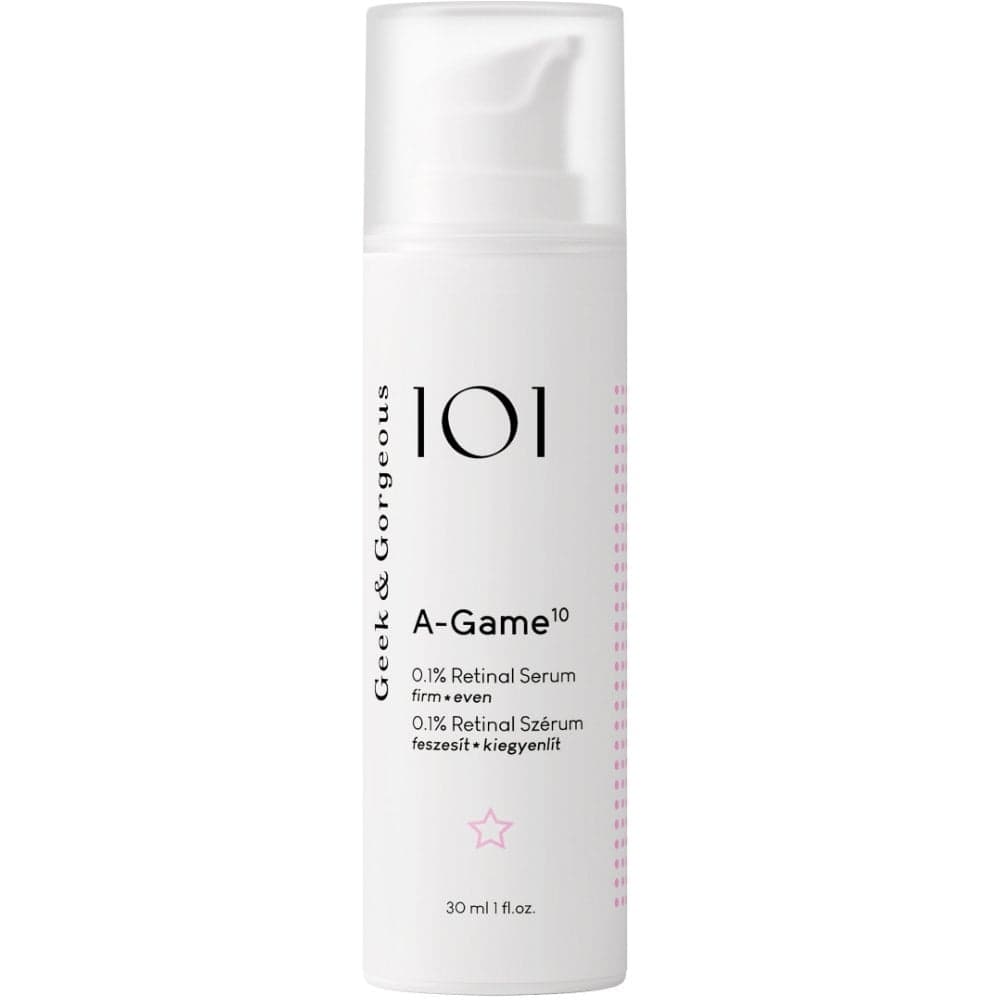 Best value retinalGeek & Gorgeous A-Game 10 Retinal Serum
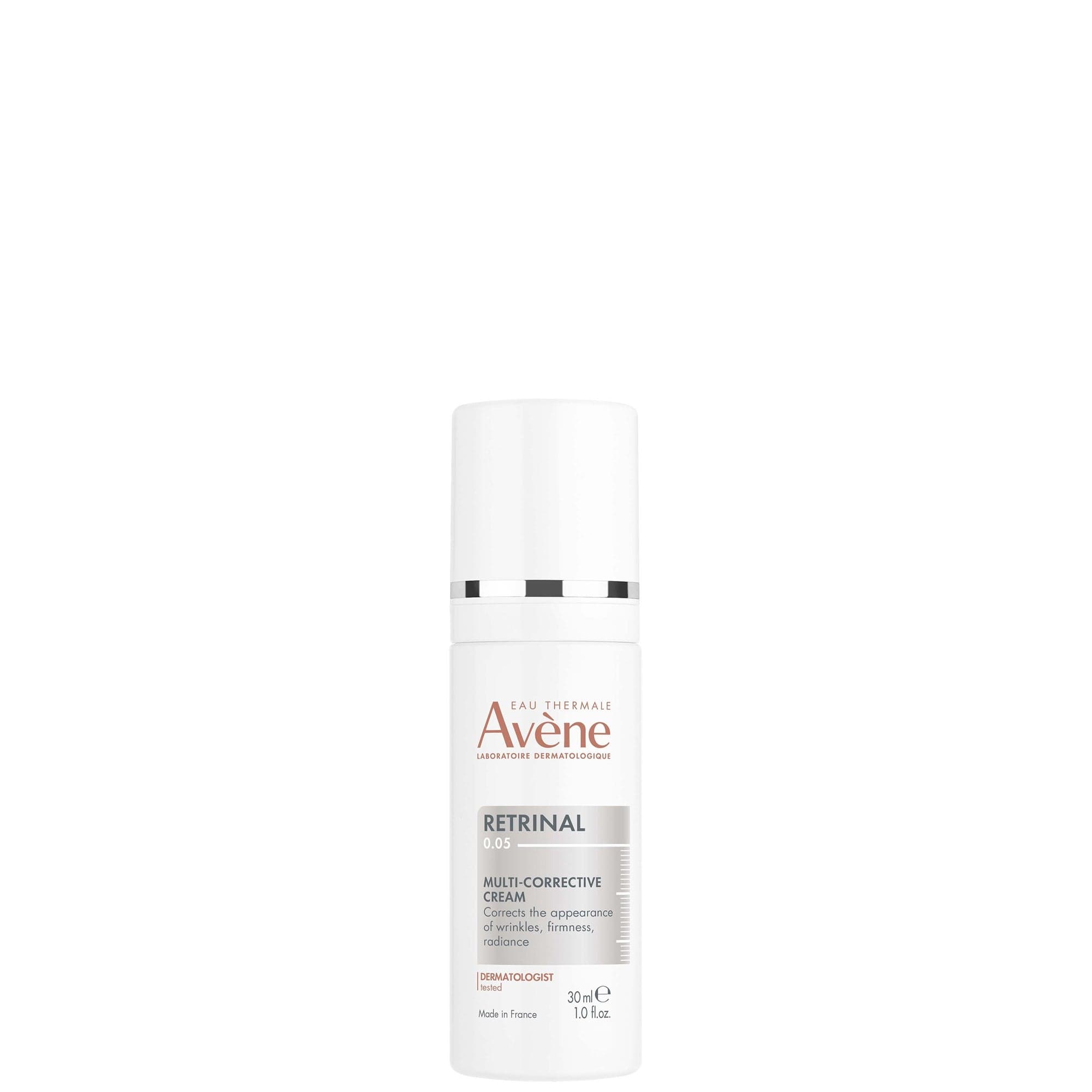 Best for sensitive skinAvène RetrinAL 0.05 Multi-Corrective Cream
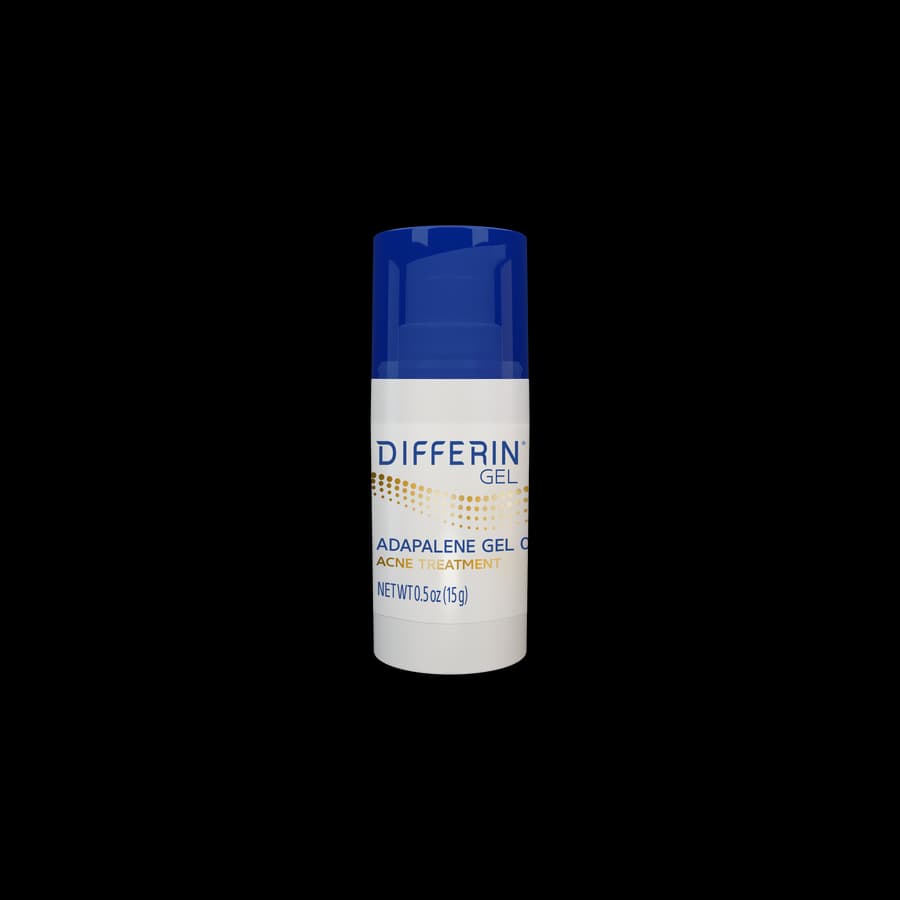 Best for acneDifferin Adapalene Gel 0.1%
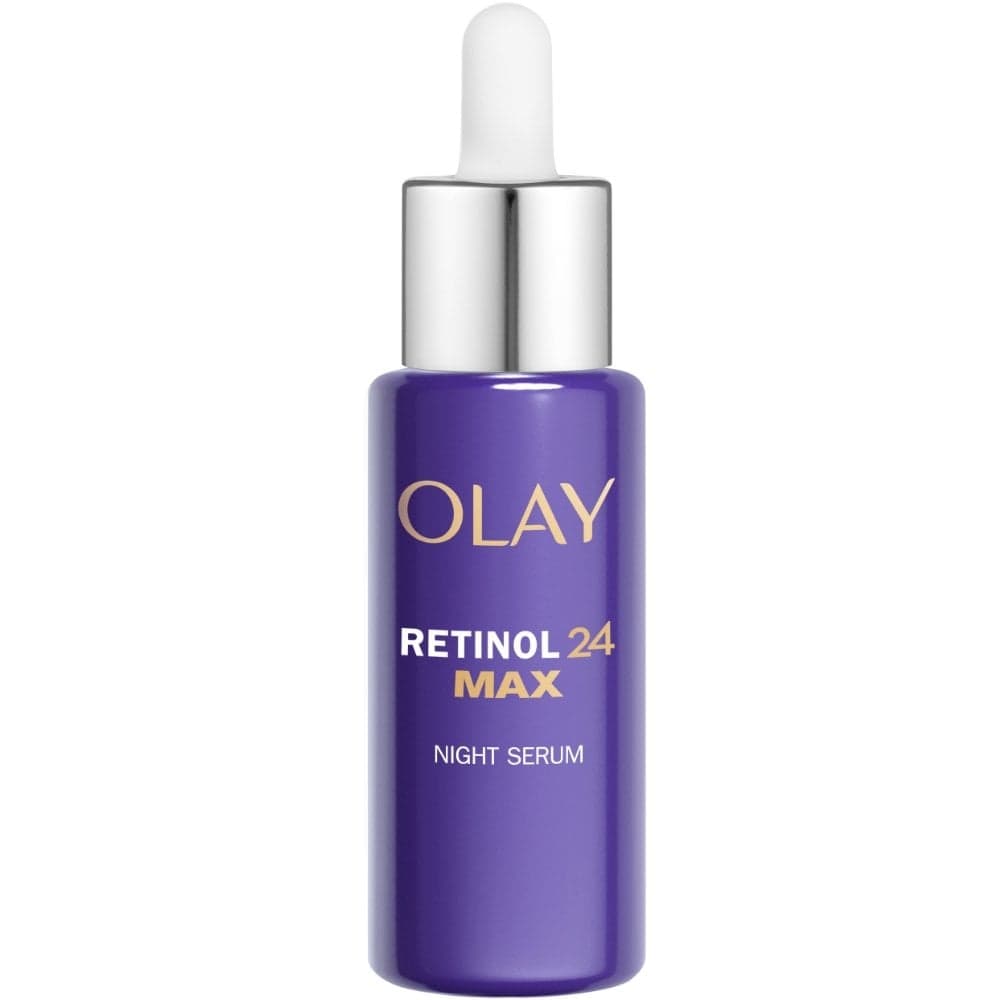 Best drugstore retinolOlay Regenerist Retinol 24 Max Night Serum
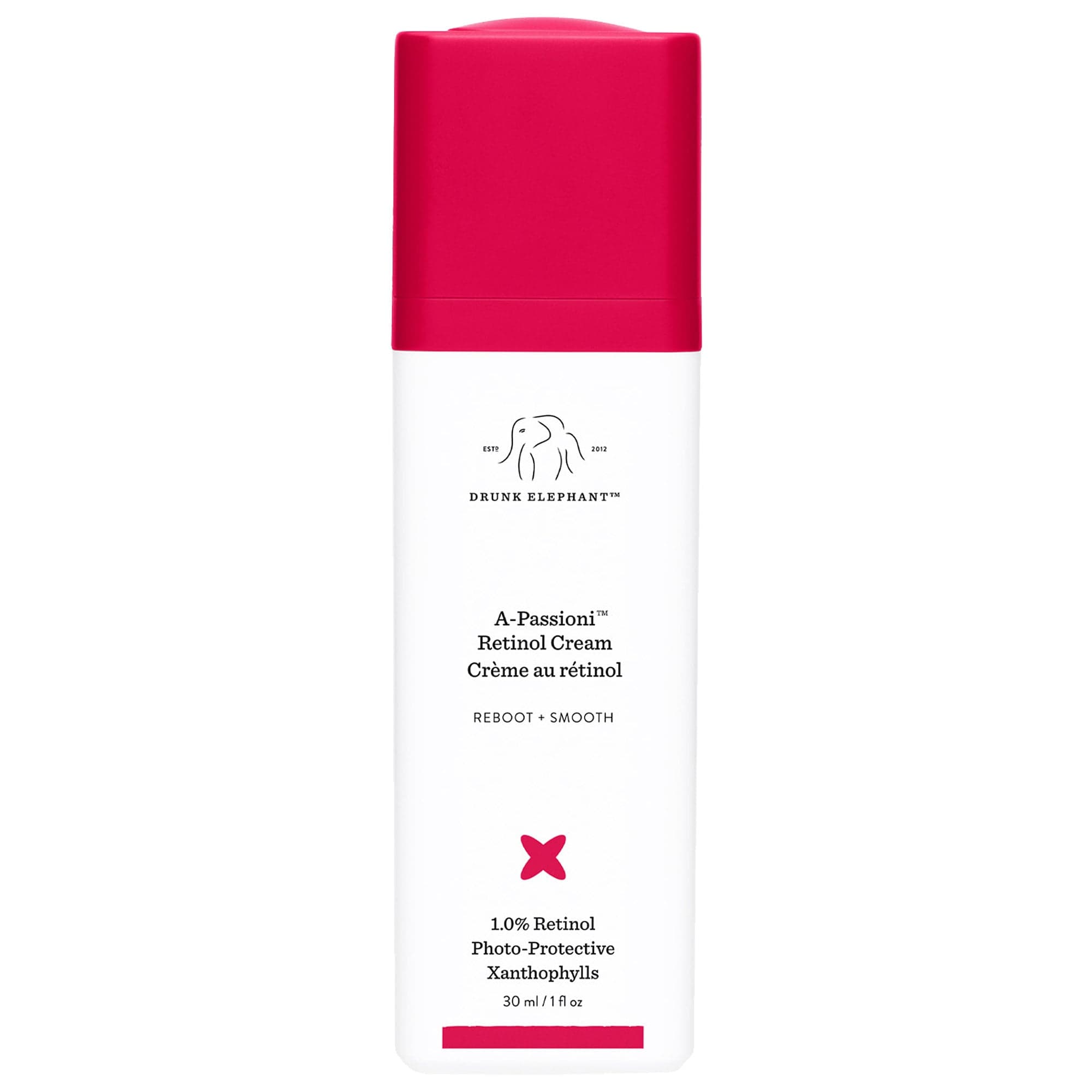 Best retinol creamDrunk Elephant A-Passioni Retinol Cream
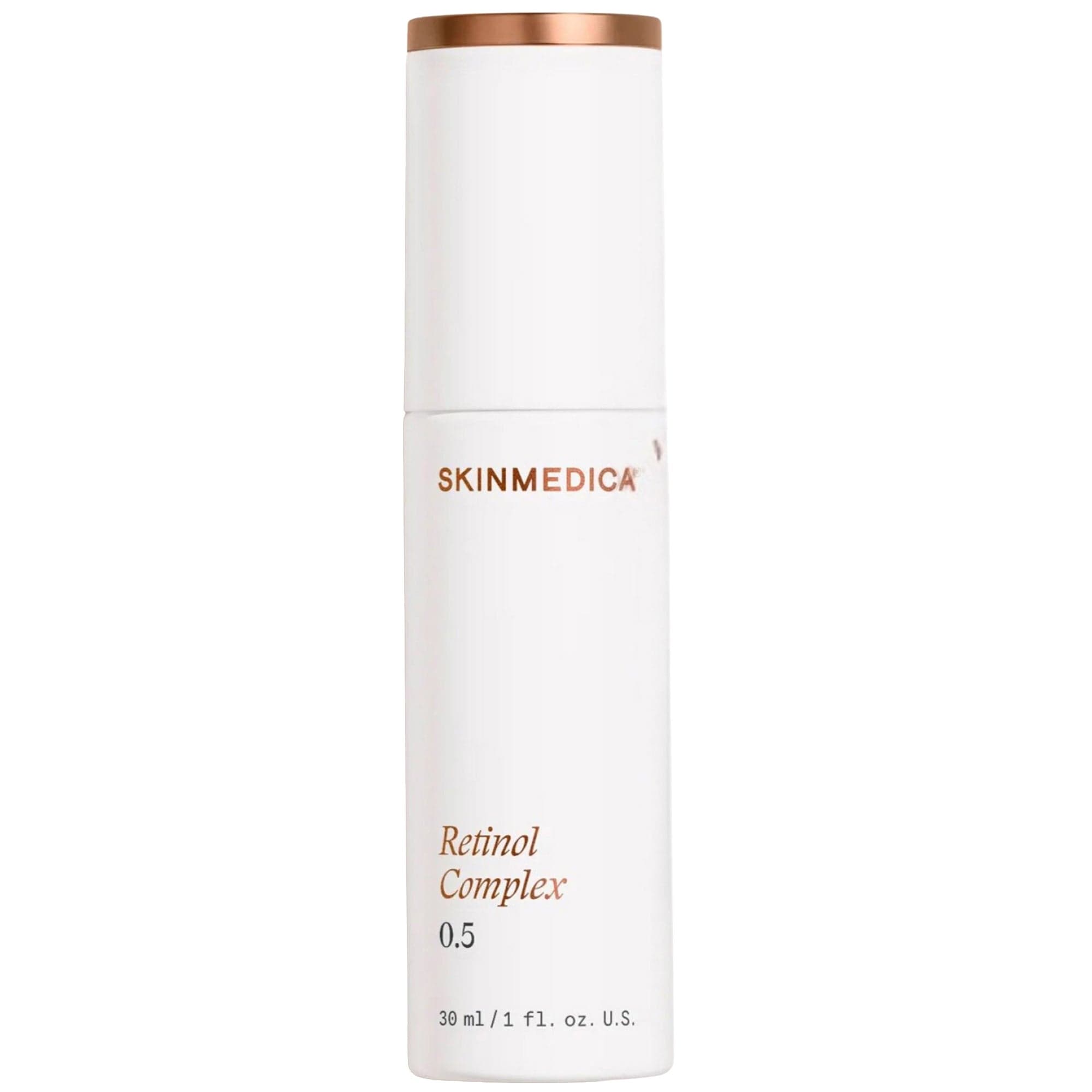 Best splurgeSkinMedica Retinol Complex 0.5
At most 98 of 868 retinoid serums, creams, oils and eye creams put a strength in their name. And 229 of them, more than a quarter, contain only retinyl esters, the weakest members of the family.
Every pick, side by side
| Pick | Retinoid and list position | Strength in the name | Added fragrance | Drying alcohol |
|---|---|---|---|---|
| Paula's Choice Clinical 0.3% Retinol + 2% Bakuchiol Treatment Best overall | retinol (17th of 54) | 0.3% retinol, 2% bakuchiol | None listed | None listed |
| CeraVe Resurfacing Retinol Serum Best budget, and the easiest first retinol | retinol (19th of 33) | Not stated | None listed | 24th of 33 |
| Medik8 Crystal Retinal 3 Best retinal, with a strength for every stage | retinal (20th of 41) | 3 (Medik8's level; the brand states 0.03% retinal) | No, but scented ingredients | None listed |
| Geek & Gorgeous A-Game 10 Retinal Serum Best value retinal | retinal (11th of 21) | 0.1% retinal | None listed | None listed |
| Avène RetrinAL 0.05 Multi-Corrective Cream Best for sensitive skin | retinal (17th of 23) | 0.05% retinal | None listed | None listed |
| Differin Adapalene Gel 0.1% Best for acne | adapalene (1st of 8) | 0.1% adapalene | None listed | None listed |
| Olay Regenerist Retinol 24 Max Night Serum Best drugstore retinol | retinol (4th of 21), retinyl propionate (5th of 21) | Not stated | None listed | None listed |
| Drunk Elephant A-Passioni Retinol Cream Best retinol cream | retinol (12th of 63) | Not stated | None listed | None listed |
| SkinMedica Retinol Complex 0.5 Best splurge | retinol (9th of 32) | 0.5 (brand's strength number) | None listed | None listed |
Best overall
Paula's Choice Clinical 0.3% Retinol + 2% Bakuchiol Treatment
A stated 0.3% retinol in a fragrance-free base with a ceramide, oat and licorice, and a 1% sibling for when you are ready. Few retinols tell you this much.
Label facts for Paula's Choice Clinical 0.3% Retinol + 2% Bakuchiol Treatment
- Retinoid
- Retinol, 17th of 54 ingredients
- Also
- Bakuchiol, 6th on the list
- Strength
- 0.3% retinol, 2% bakuchiol
- Added fragrance
- None listed
- Drying alcohol
- None listed
- Supporting
- Ceramide, glycerin, allantoin, oat, hyaluronic acid and peptides
Read from the label on September 29, 2026. Labels list ingredients by amount down to 1%, then in any order, so a position is not a percentage. Formulas change; check your box.
Good for
- A first retinol whose strength is printed on the bottle
- Normal, dry and combination skin
- A clear next step: the same line comes at 1%
Skip it if
- You react to many ingredients: 54 on one label makes a reaction hard to trace
- You want the cheapest way in (see CeraVe, next)
Retinol is the most studied form you can buy without a prescription. In a randomized, vehicle-controlled trial on the arms of 36 older adults, 0.4% retinol reduced fine wrinkles over 24 weeks. A stated 0.3% is close to that studied dose, and very few products tell you where they stand: in Avina’s catalog, at most 98 of 868 retinoid face products, about 1 in 9, put a strength in their name.
The label backs the pitch. Retinol is 17th of 54, with a ceramide right after it and licorice, oat and allantoin further down: ingredients there to keep the retinol comfortable. Bakuchiol sits 6th. It is a plant compound, not a retinoid; one randomized trial found it improved wrinkles about as well as retinol with less stinging, so here it is a helper. There is no fragrance, no drying alcohol and no exfoliating acid on the list.
When 0.3% stops doing much, the Paula’s Choice Clinical 1% Retinol Treatment is the same idea at the top of the over-the-counter range, with retinol 17th of 54 and no added fragrance either. Users in a long r/30PlusSkinCare thread call the 1% strong, one for skin that already tolerates retinol, and we would not start on it.
Flaws but not dealbreakers
- It costs more than the drugstore picks.
- 54 ingredients: if you react, finding the cause takes patience.
- Bakuchiol rides along, so this is not a pure retinol-only formula.
Full ingredient list (54 ingredients, retinoids marked)
Water (Aqua), Dimethicone, Pentaerythrityl Tetraisostearate, Isononyl Isononanoate, Butylene Glycol, Bakuchiol, Arachidyl Alcohol, Glyceryl Polymethacrylate, Dimethicone Crosspolymer, Behenyl Alcohol, Glycerin, PEG-75 Shea Butter Glycerides, Glyceryl Stearate, C12-15 Alkyl Benzoate, Polysorbate 20, Tetrahexyldecyl Ascorbate, Retinol, Ceramide NG, Palmitoyl Tetrapeptide-7, Palmitoyl Hexapeptide-12, Sodium Hyaluronate, Dipotassium Glycyrrhizate, Glycyrrhiza Glabra (Licorice) Root Extract, Avena Sativa (Oat) Kernel Extract, Arctium Lappa (Burdock) Root Extract, Salix Alba (Willow) Bark Extract, Glycine Soja (Soybean) Sterols, Lecithin, Allantoin, Tocopheryl Acetate, Hydrolyzed Soy Protein, Palmitoyl Tripeptide-1, Sodium Hydroxide, Tribehenin, Caprylyl Glycol, Dipeptide-2, Polygonum Cuspidatum Root Extract, PEG-10 Phytosterol, PEG-8, Magnesium Aluminum Silicate, Arachidyl Glucoside, Chrysin, Pentylene Glycol, Sodium Acrylates Copolymer, Steareth-20, Hydroxyethyl Acrylate/Sodium Acryloyldimethyl Taurate Copolymer, Cetearyl Alcohol, Coco-Glucoside (Surfactant), Hesperidin Methyl Chalcone, N-Hydroxysuccinimide, Disodium EDTA, Phenoxyethanol, Benzoic Acid, Ethylhexylglycerin
As listed in Avina’s catalog on September 29, 2026. The list printed on your box is the one that counts.
Best budget, and the easiest first retinol
CeraVe Resurfacing Retinol Serum
Three ceramides, niacinamide and licorice around a retinol CeraVe says is encapsulated, fragrance-free, for drugstore money. The catch: it does not say how much retinol.
Label facts for CeraVe Resurfacing Retinol Serum
- Retinoid
- Retinol, 19th of 33 ingredients
- Strength
- Not stated in the product name
- Added fragrance
- None listed
- Drying alcohol
- ALCOHOL, 24th of 33, after the preservative
- Supporting
- Ceramides, niacinamide, cholesterol, hyaluronic acid and licorice
Read from the label on September 29, 2026. Labels list ingredients by amount down to 1%, then in any order, so a position is not a percentage. Formulas change; check your box.
Good for
- A first retinol on a budget
- Oily, combination and breakout-prone skin that likes a light serum
- People who want barrier ingredients in the same bottle
Skip it if
- You want a stated strength
- Niacinamide tends to break you out
It comes up again and again as a first retinol in the Reddit threads we read, and the label explains why it is easy to live with. Niacinamide is 5th, then three ceramides (NP, AP and EOP), cholesterol and a licorice-derived soother. Retinol is 19th of 33. Nothing is there to scent it.
The word “alcohol” does appear, 24th on the list, right after the preservative. Preservatives are used at around 1% or less, and anything listed after an ingredient at 1% or less is at that level too: a small amount, not the drying dose you get when alcohol sits near the top.
Flaws but not dealbreakers
- No strength on the box, so you cannot compare it with a 0.3% product.
- Some Reddit users say it did little after months: a good start, not an end point.
Full ingredient list (33 ingredients, retinoids marked)
AQUA/WATER/EAU, PROPANEDIOL, DIMETHICONE, CETEARYL ETHYLHEXANOATE, NIACINAMIDE, AMMONIUM POLYACRYLOYLDIMETHYL TAURATE, DIPOTASSIUM GLYCYRRHIZATE, HYDROGENATED LECITHIN, POTASSIUM PHOSPHATE, CERAMIDE NP, CERAMIDE AP, CERAMIDE EOP, CARBOMER, CETEARYL ALCOHOL, BEHENTRIMONIUM METHOSULFATE, DIMETHICONOL, LECITHIN, SODIUM CITRATE, RETINOL, SODIUM HYALURONATE, SODIUM LAUROYL LACTYLATE, CHOLESTEROL, PHENOXYETHANOL, ALCOHOL, ISOPROPYL MYRISTATE, CAPRYLYL GLYCOL, CITRIC ACID, TRISODIUM ETHYLENEDIAMINE DISUCCINATE, PENTYLENE GLYCOL, PHYTOSPHINGOSINE, XANTHAN GUM, POLYSORBATE 20, ETHYLHEXYLGLYCERIN
As listed in Avina’s catalog on September 29, 2026. The list printed on your box is the one that counts.
Best retinal, with a strength for every stage
Medik8 Crystal Retinal 3
Retinal, one step closer to the form skin actually uses, in six levels that Medik8 states as 0.01% to 0.24% retinal. Start low and move up without changing brands.
Label facts for Medik8 Crystal Retinal 3
- Retinoid
- Retinal, 20th of 41 ingredients
- Strength
- 3 (Medik8's level; the brand states 0.03% retinal)
- Added fragrance
- None listed, but the label includes vanilla extract, tonka bean extract and coumarin
- Drying alcohol
- None listed
- Supporting
- Glycerin, squalane, hyaluronic acid and vitamin E
Read from the label on September 29, 2026. Labels list ingredients by amount down to 1%, then in any order, so a position is not a percentage. Formulas change; check your box.
Good for
- Stepping up gradually over months
- Sensitive skin that wants retinal: start at level 1
- Anyone who has plateaued on retinol
Skip it if
- You react to fragrance: see the Label facts, the word is absent but scent is not
- Price matters: every step up is another tube
Skin turns retinol into retinal, then retinal into retinoic acid, the form that works (Sorg, 2006). Starting one step later can pay off: in an 8-week split-face trial of 23 people, encapsulated retinal beat retinol at the same strength on wrinkle depth and most other skin measures, and tolerance studies put retinal’s irritation close to retinol’s and far below prescription retinoic acid.
The number in the name is Medik8’s level, and the brand states Crystal Retinal 3 is 0.03% retinal. It is listed 20th of 41, with squalane and hyaluronic acid. It also carries two forms of vitamin C, which is worth knowing if you were told never to combine the two (our Learn article explains why that rule is weaker than it sounds).
Worth knowing: there is no “fragrance” on this label, but it lists vanilla extract, tonka bean extract and coumarin. Coumarin is one of the fragrance allergens EU rules require a label to name. Most people will never notice. If you have a diagnosed fragrance allergy, that matters more than the marketing.
Flaws but not dealbreakers
- The lower levels can feel like nothing is happening; plan to move up.
- Scent-bearing extracts and coumarin, despite no listed fragrance.
- Expensive per ounce, and the step system keeps you buying.
Full ingredient list (41 ingredients, retinoids marked)
Water, Caprylic/Capric Triglyceride, Glycerin, Isododecane, Cyclodextrin, Cetearyl Olivate, Sodium Acrylate/Sodium Acryloyldimethyl Taurate Copolymer, Cetearyl Alcohol, Sorbitan Olivate, Tocopheryl Acetate, Squalane, Hydroxyethyl Acrylate/Sodium Acryloyldimethyl Taurate Copolymer, Hydroxyacetophenone, Rubus Chamaemorus Seed Oil, 3-O-Ethyl Ascorbic Acid, Phenoxyethanol, Hydroxypropyl Methylcellulose, Pentylene Glycol, Daucus Carota Sativa (Carrot) Seed Oil, Retinal, Sodium Hyaluronate, Tetrahexyldecyl Ascorbate, Alumina, Isostearic Acid, Lecithin, Polyglyceryl-3 Polyricinoleate, Lonicera Japonica (Honeysuckle) Flower Extract, Lonicera Caprifolium (Honeysuckle) Flower Extract, Polyhydroxystearic Acid, Disodium EDTA, Stearic Acid, Ethylhexylglycerin, Polysorbate 60, Sorbitan Isostearate, BHT, Vanilla Planifolia Fruit Extract, Sodium Polyaspartate, Dipteryx Odorata Bean Extract, Coumarin, Red 4, Titanium Dioxide/CI 77891
As listed in Avina’s catalog on September 29, 2026. The list printed on your box is the one that counts.
Best value retinal
Geek & Gorgeous A-Game 10 Retinal Serum
A stated 0.1% retinal in a 21-ingredient, fragrance-free serum, at a fraction of most retinal prices. A-Game 5 is the same idea at 0.05%.
Label facts for Geek & Gorgeous A-Game 10 Retinal Serum
- Retinoid
- Retinal, 11th of 21 ingredients
- Strength
- 0.1% retinal
- Added fragrance
- None listed
- Drying alcohol
- None listed
- Supporting
- Glycerin, panthenol, allantoin and vitamin E
Read from the label on September 29, 2026. Labels list ingredients by amount down to 1%, then in any order, so a position is not a percentage. Formulas change; check your box.
Good for
- Trying retinal without luxury pricing
- Anyone who prefers short ingredient lists
- Moving on from a gentle retinol
Skip it if
- You are brand new to retinoids: start with A-Game 5
- You want barrier-repair ingredients in the same bottle
A short label is a feature: 21 ingredients, retinal 11th of 21, with glycerin, allantoin, panthenol and vitamin E around it: no fragrance, no drying alcohol and no exfoliating acid. If you react, there is little to rule out.
It is the most direct way to test whether retinal suits you before paying for a step system. Give it at least 12 weeks before judging: the retinoid trials ran 8 to 24.
Flaws but not dealbreakers
- A minimal formula: you will want a moisturizer on top.
Full ingredient list (21 ingredients, retinoids marked)
AQUA, CAPRYLIC/CAPRIC TRIGLYCERIDE, OLEYL ERUCATE, GLYCERIN, TRIHEPTANOIN, CYCLODEXTRIN, CETEARYL OLIVATE, SORBITAN OLIVATE, BIOSACCHARIDE GUM-1, ALLANTOIN, RETINAL, RUBUS CHAMAEMORUS SEED OIL, PANTHENOL, CITRIC ACID, TOCOPHERYL ACETATE, DISODIUM EDTA, PENTYLENE GLYCOL, LONICERA JAPONICA FLOWER EXTRACT, LONICERA CAPRIFOLIUM EXTRACT, ETHYLHEXYLGLYCERIN, PHENOXYETHANOL
As listed in Avina’s catalog on September 29, 2026. The list printed on your box is the one that counts.
Best for sensitive skin
Avène RetrinAL 0.05 Multi-Corrective Cream
Retinal at a stated 0.05% in a rich 23-ingredient cream with niacinamide, shea and squalane. No fragrance, no drying alcohol, no acid.
Label facts for Avène RetrinAL 0.05 Multi-Corrective Cream
- Retinoid
- Retinal, 17th of 23 ingredients
- Strength
- 0.05% retinal
- Added fragrance
- None listed
- Drying alcohol
- None listed
- Supporting
- Niacinamide, glycerin, squalane, hyaluronic acid, shea butter and vitamin E
Read from the label on September 29, 2026. Labels list ingredients by amount down to 1%, then in any order, so a position is not a percentage. Formulas change; check your box.
Good for
- Dry, sensitive or easily flushed skin
- A retinoid and moisturizer in one step
- Retinal at a gentle, stated dose
Skip it if
- You have rosacea or a lot of redness: the AAD advises avoiding retinoids and asking a dermatologist about other treatments
- Oily skin: this is a rich cream
- You avoid dyes: it lists Red 33
The base is squalane, shea butter and safflower oil, with niacinamide 10th and retinal 17th of 23. It is the shortest cream label among our picks, and the one we would hand to someone who has given up on retinoids because they sting.
When it feels easy, RetrinAL 0.1 doubles the retinal. Our sensitive-skin guide goes deeper on starting gently.
Flaws but not dealbreakers
- Small tubes for the price.
- Contains a red colorant (Red 33).
Full ingredient list (23 ingredients, retinoids marked)
Avene Thermal Spring Water (Avene Aqua), Caprylic/Capric Triglyceride, Glycerin, Squalane, Butyrospermum Parkii (Shea) Butter (Butyrospermum Parkii Butter), Carthamus Tinctorius (Safflower) Seed Oil (Carthamus Tinctorius Seed Oil), Pentaerythrityl Tetracaprylate/Tetracaprate, Cetearyl Alcohol, Behenyl Alcohol, Niacinamide, C20-22 Alkyl Phosphate, C20-22 Alcohols, Acacia Senegal Gum, Cetearyl Glucoside, Helianthus Annuus (Sunflower) Seed Oil (Helianthus Annuus Seed Oil), Red 33 (Ci 17200), Retinal, Sodium Benzoate, Sodium Hyaluronate, Sodium Hydroxide, Tocopherol, Tocopheryl Glucoside, Xanthan Gum
As listed in Avina’s catalog on September 29, 2026. The list printed on your box is the one that counts.
Best for acne
Differin Adapalene Gel 0.1%
Adapalene 0.1%, an FDA-approved acne drug that needed a prescription until 2016, in a gel with 7 inactive ingredients and nothing to scent it.
Label facts for Differin Adapalene Gel 0.1%
- Retinoid
- Adapalene, 1st of 8 ingredients
- Strength
- 0.1% adapalene
- Added fragrance
- None listed
- Drying alcohol
- None listed
- Supporting
- Nothing notable
Read from the label on September 29, 2026. Labels list ingredients by amount down to 1%, then in any order, so a position is not a percentage. Formulas change; check your box.
Good for
- Acne, clogged pores and blackheads
- The strongest-evidence acne retinoid you can buy without a prescription
- A plain, short label
Skip it if
- Your main goal is wrinkles: adapalene is studied far more for acne than for aging
- You are pregnant or breastfeeding: the label says to ask a doctor
The FDA moved Differin Gel 0.1% over the counter in 2016 at the same strength that had needed a prescription. Because it is a drug, its Drug Facts label is unusually specific: once a day, a thin layer; acne may look worse in the first weeks; allow up to three months.
A useful label detail: the La Roche-Posay Effaclar Adapalene Gel 0.1% lists the same active at the same strength and the same 7 inactive ingredients, apart from how the carbomer is written and Differin’s optional pH adjuster. Choose between them on price and tube size, not formula.
Flaws but not dealbreakers
- Acne can look worse for the first weeks, as the label warns.
- Contains methylparaben, noted for anyone who avoids parabens.
Full ingredient list (8 ingredients, retinoids marked)
Adapalene 0.1%, Carbomer 940, Edetate Disodium, Methylparaben, Poloxamer 182, Propylene Glycol, Purified water, Sodium Hydroxide
As listed in Avina’s catalog on September 29, 2026. The list printed on your box is the one that counts.
Best drugstore retinol
Olay Regenerist Retinol 24 Max Night Serum
Retinol is the 4th ingredient, the highest-listed retinol among our picks, with retinyl propionate 5th and niacinamide 6th. Fragrance-free.
Label facts for Olay Regenerist Retinol 24 Max Night Serum
- Retinoid
- Retinol (4th) and retinyl propionate (5th) of 21 ingredients
- Strength
- Not stated in the product name
- Added fragrance
- None listed
- Drying alcohol
- None listed
- Supporting
- Niacinamide and glycerin
Read from the label on September 29, 2026. Labels list ingredients by amount down to 1%, then in any order, so a position is not a percentage. Formulas change; check your box.
Good for
- Drugstore and supermarket shopping
- Normal to dry skin
- Nightly use once you are used to retinoids
Skip it if
- You want a stated strength
- You want ceramides or oat in the same bottle
21 ingredients, and retinol comes right after water, dimethicone and glycerin. That does not prove a percentage: labels list ingredients by amount only down to 1%, and Olay does not publish the number. It does mean the ingredients above it outweigh it; below the 1% line, order says nothing.
Retinyl propionate is the second retinoid, an ester that skin-model research by Procter & Gamble, which makes Olay, found more active than the more common retinyl palmitate. Niacinamide rounds it out. It is the retinol we would buy in a supermarket aisle.
Flaws but not dealbreakers
- No stated strength.
- A lean support list: glycerin and niacinamide, no ceramides.
Full ingredient list (21 ingredients, retinoids marked)
AQUA, DIMETHICONE, GLYCERIN, RETINOL, RETINYL PROPIONATE, NIACINAMIDE, DIMETHICONOL, CAPRYLIC/CAPRIC TRIGLYCERIDE, HYDROXYACETOPHENONE, BHT, POLYSORBATE 20, LAURETH-4, LAURETH-7, DISODIUM EDTA, DIMETHICONE CROSSPOLYMER, POLYACRYLAMIDE, TITANIUM DIOXIDE, MICA, TIN OXIDE, C13-14 ALKANE, PHENOXYETHANOL
As listed in Avina’s catalog on September 29, 2026. The list printed on your box is the one that counts.
Best retinol cream
Drunk Elephant A-Passioni Retinol Cream
A retinol cream with a ceramide, niacinamide and peptides and no added fragrance, for nights you want one step instead of two.
Label facts for Drunk Elephant A-Passioni Retinol Cream
- Retinoid
- Retinol, 12th of 63 ingredients
- Strength
- Not stated in the product name
- Added fragrance
- None listed
- Drying alcohol
- None listed
- Supporting
- Ceramide, niacinamide, glycerin, hyaluronic acid, peptides and vitamin E
Read from the label on September 29, 2026. Labels list ingredients by amount down to 1%, then in any order, so a position is not a percentage. Formulas change; check your box.
Good for
- One-step nights: retinoid and moisturizer together
- Normal to dry skin
- Avoiding fragrance in a cream, which is harder than it sounds
Skip it if
- You prefer short ingredient lists (63 here)
- Budget matters
Creams are where fragrance hides: in Avina’s catalog, 43% of retinoid creams list added fragrance, against 24% of retinoid serums. This one does not. Retinol is 12th of 63, surrounded by plant oils (passion fruit, jojoba, marula, apricot, avocado), niacinamide 7th, peptides and a ceramide.
Flaws but not dealbreakers
- A premium price.
- Oil-rich: heavy for oily skin, and plant oils carry their own natural scent.
Full ingredient list (63 ingredients, retinoids marked)
Water/Aqua/Eau, Glycerin, Coco-Caprylate, Stearic Acid, Coconut Alkanes, Glyceryl Stearate, Niacinamide, Caprylic/Capric Triglyceride, Cetearyl Alcohol, Pentylene Glycol, Passiflora Edulis Seed Oil, Retinol, Simmondsia Chinensis (Jojoba) Seed Oil, Sclerocarya Birrea Seed Oil, Prunus Armeniaca (Apricot) Kernel Oil, Cetyl Ethylhexanoate, Palmitoyl Tripeptide-1, Palmitoyl Tetrapeptide-7, Brassica Oleracea Acephala Leaf Extract, Brassica Oleracea Italica (Broccoli) Extract, Tetrahexyldecyl Ascorbate, Chrysin, Persea Gratissima (Avocado) Oil, Linoleic Acid, Linolenic Acid, Ceramide NP, Xanthophylls, Phytosphingosine, Phytosterols, Jojoba Esters, Physalis Pubescens Fruit Juice, Stearyl Glycyrrhetinate, Oryza Sativa (Rice Bran) Extract, Glycine Soja (Soybean) Oil, Carthamus Tinctorium (Safflower) Seed Oil, Palmitoyl Hexapeptide-12, Cetyl Palmitate, Trehalose, Lauric Acid, Sodium Hyaluronate Crosspolymer, Olea Europaea (Olive) Fruit Oil, Glucosamine HCL, Tocopheryl Acetate, Coco-Caprylate/Caprate, Pisum Sativum (Pea) Extract, Tocopherol, Bambusa Vulgaris Leaf/Stem Extract, Phenoxyethanol, Caprylyl Glycol, Carbomer, Trideceth-6 Phosphate, N-Hydroxysuccinimide, Ceteareth-20, Sodium Hydroxide, Laureth-23, Steareth-20, Propanediol, Chlorhexidine Digluconate, Polysorbate 20, Trisodium Ethylenediamine Disuccinate, Chlorphenesin, Potassium Sorbate, Ethylhexylglycerin
As listed in Avina’s catalog on September 29, 2026. The list printed on your box is the one that counts.
Best splurge
SkinMedica Retinol Complex 0.5
Three strengths (0.25, 0.5 and 1.0), retinol high on a 32-ingredient list, niacinamide 4th, plus a ceramide, squalane, bisabolol and a peptide. No added fragrance and no drying alcohol.
Label facts for SkinMedica Retinol Complex 0.5
- Retinoid
- Retinol, 9th of 32 ingredients
- Strength
- 0.5 (brand's strength number)
- Added fragrance
- None listed
- Drying alcohol
- None listed
- Supporting
- Ceramide, niacinamide, glycerin, squalane, bisabolol and peptide
Read from the label on September 29, 2026. Labels list ingredients by amount down to 1%, then in any order, so a position is not a percentage. Formulas change; check your box.
Good for
- Mature skin that wants a line that goes up to 1.0
- Staying in one formula as you step up
- Formulas without fragrance or drying alcohol
Skip it if
- Budget: this is the most expensive pick
- You want the exact percentage: the numbers are SkinMedica's own scale
Retinol is 9th of 32 on the 0.5 and 7th of 32 on the 0.25. The stronger version lists it lower, which is the neatest proof we have that list position is not strength: below the 1% line, the labeling rule lets ingredients appear in any order.
Around it: niacinamide 4th, squalane, a ceramide, bisabolol and a peptide. One of the fuller support lists among our picks, at the highest price.
Flaws but not dealbreakers
- The priciest pick by far.
- Strength numbers are the brand's scale, not stated percentages.
Full ingredient list (32 ingredients, retinoids marked)
Aqua/Water/Eau, Cetyl Ethylhexanoate, Glycine Soja (Soybean) Oil, Niacinamide, Polyacrylate-13, Caprylic/Capric Triglyceride, Glycerin, Squalane, Retinol, Palmitoyl Tripeptide-8, Dunaliella Salina Extract, Magnolia Grandiflora Bark Extract, Tocopherol, Tocotrienols, Ceramide NP, Bisabolol, Tocopheryl Acetate, Oryza Sativa (Rice) Bran Oil, Polysorbate 20, Butylene Glycol, Cetyl Palmitate, Laureth-23, Trideceth-6 Phosphate, Sodium Hydroxide, Dicaprylyl Ether, Lauryl Alcohol, Polyisobutene, Dextran, Potassium Sorbate, Disodium EDTA, Phenoxyethanol, Ethylhexylglycerin
As listed in Avina’s catalog on September 29, 2026. The list printed on your box is the one that counts.
What the percentage on the box actually means
A number on the front is not always the dose. Three things that trip people up, all visible on real labels:
- Liposome percentages. K-Secret’s Seoul 1988 Cream says “Retinal Liposome 1%”. Its own ingredient list prints the retinal as 100 ppm, which is 0.01%. The 1% is the liposome carrier, not the retinal.
- “Complex” percentages. A “0.3% retinol complex” is 0.3% of a blend, not 0.3% retinol.
- List position. Ingredients above 1% are listed by amount, below 1% in any order (21 CFR 701.3). Retinoids almost always sit below 1%, so “retinol is 9th” tells you what is above it, not how much is in it. SkinMedica’s 0.5 lists retinol lower than its 0.25.
Retinol, retinal, adapalene or tretinoin?
They are one family. Skin converts retinyl esters to retinol, retinol to retinal, and retinal to retinoic acid, which is what does the work. The fewer steps, the stronger and faster, and usually the more irritating.
| On the label | Steps to the active form | How you buy it in the US | Best for |
|---|---|---|---|
| Retinyl palmitate, acetate, propionate | Three | Over the counter | Very sensitive skin; palmitate and acetate are weak |
| Retinol | Two | Over the counter | Most people starting out |
| Retinal (retinaldehyde) | One | Over the counter | Faster results, still tolerable |
| Adapalene 0.1% | None (synthetic) | Over the counter | Acne |
| Tretinoin (retinoic acid) | None | Prescription | The strongest evidence, the most irritation |
Should you just get tretinoin? It has the most evidence behind it, and a 2022 review found well-designed trials for cosmetic retinoids are still lacking by comparison. But it needs a prescription, it irritates more, and plenty of people want to start without a doctor’s visit. An over-the-counter retinoid used consistently is a real option, not a lesser one. If you plateau after six months, that is the moment to ask a dermatologist. For the chemistry, read our Learn guide to the retinoid family.
How to start without the burn
- Nights only, every other night at first. The AAD advises the least intense formula every other night, building up slowly.
- A pea-sized amount for the whole face, on clean, dry skin.
- Moisturizer after, or before if you sting. The AAD suggests moisturizing first and waiting 20 to 30 minutes when a retinoid dries you out.
- Keep it away from the eye area and the corners of the nose and mouth. A dab of petroleum jelly there helps. For eyes, use a formula made for them: see our retinol eye cream guide.
- Sunscreen every morning. Retinoids are a night step, and daily broad-spectrum SPF 30 or higher is part of the deal.
- Give it 12 weeks. The trials behind these products ran 8 to 24 weeks. Do not change products every fortnight.
Most people can pair a retinoid with niacinamide, and with vitamin C used in the morning. An exfoliating acid on the same night is the more common cause of trouble. Our Learn article on mixing ingredients and the order to apply skincare cover the rest.
How we picked
We started from every retinoid face product in Avina’s catalog with a readable ingredient list: 868 of them. We shortlisted the ones that come up most often in reviews and Reddit threads, 21 for this guide, then read each label for five things: which retinoid and where it sits, a strength in the name, added fragrance and fragrance allergens, drying alcohol near the top, and what supports the retinoid. A pick had to be widely sold in the US and have a complete label in our catalog. The Label facts on each card are generated from that label, not typed by hand.
We did not test these on skin or run a panel, and we say so on every post. Our full method explains what we check and why.
Also considered
- Shani Darden Retinol Reform. The closest runner-up: 1% encapsulated retinol, listed 8th of 47, no fragrance, a ceramide and niacinamide. It lost on price, and 1% is a lot for a first retinol.
- La Roche-Posay Retinol B3 Serum. A good retinol with niacinamide, but alcohol denat. is the 4th ingredient and fragrance is listed, both reasons to look elsewhere if you are sensitive.
- L'Oréal Paris Revitalift Derm Intensives 0.3% Pure Retinol Night Serum. A stated 0.3% retinol and no added fragrance, but alcohol denat. is the 3rd ingredient, higher than on any pick.
- SkinCeuticals Retinol 0.3. A stated 0.3%, but alcohol denat. is 5th on a short list, at a luxury price.
- Neutrogena Rapid Wrinkle Repair Retinol Renewal Serum. Retinol sits 5th, which is high, but fragrance is on the label.
- Murad Retinal ReSculpt Overnight Treatment. Retinal listed 14th of 43, but with added fragrance and two named fragrance allergens.
- The Ordinary Retinol 1% in Squalane. Six ingredients and a stated 1% at a low price. Too strong for a first retinol; The Ordinary sells 0.2% and 0.5% versions for that.
- La Roche-Posay Effaclar Adapalene Gel 0.1%. The same active and inactive ingredients as Differin. Buy whichever is cheaper per gram.
- Youth To The People Retinal + Niacinamide Youth Serum. Retinal with niacinamide, ceramides and squalane, fragrance-free. A strong formula, but it states no strength, and our two retinal picks do.
Questions people ask
What is the best retinol for beginners?
A low, stated strength in a fragrance-free formula, used two or three nights a week. Paula's Choice's 0.3% retinol is our pick; CeraVe's Resurfacing Retinol Serum is the budget start, and Avène's RetrinAL 0.05 cream suits sensitive skin.
What strength of retinol should I start with?
Low. The AAD advises starting with the least intense formula every other night. In practice that means around 0.3% retinol or 0.03% to 0.05% retinal. In Avina's catalog (September 2026), at most about 1 in 9 retinoid face products name a strength, so a stated one is worth paying attention to.
Is retinal better than retinol?
Retinal is one conversion step closer to retinoic acid, and in an 8-week split-face trial of 23 people, encapsulated retinal beat retinol at the same strength on wrinkle depth and most other skin measures. It is usually pricier. Our Learn article on retinol vs retinal explains the whole family.
Is tretinoin a retinol?
Both are retinoids, but tretinoin is retinoic acid itself, the active form, and it needs a prescription in the US. It is the best studied and the most irritating. If over-the-counter options stop working, it is worth asking a dermatologist about.
Is adapalene a retinol?
Adapalene is a synthetic retinoid, not retinol. In the US it is sold over the counter at 0.1% as an acne treatment (Differin). It is studied far more for acne than for wrinkles.
How often should I use retinol?
Start every other night or every third night with a pea-sized amount for the whole face, and add nights as your skin allows. Many people reach nightly use within a couple of months. Cut back if your skin stings, peels or reddens.
Do I put retinol on before or after moisturizer?
On clean, dry skin before moisturizer, for most people. If it dries you out, the AAD suggests moisturizing first and applying the retinoid 20 to 30 minutes later. Some people also sandwich it between two thin layers of moisturizer.
Is it purging or irritation?
Purging looks like extra breakouts where you usually break out, in the first weeks, and passes. Irritation is stinging, burning, redness or a rash, often in new places. Irritation means use less, less often, or stop.
How long does retinol take to work?
Weeks, not days. The AAD says at least 6 to 8 weeks for fewer breakouts, the Differin label allows up to three months, and wrinkle studies ran 8 to 24 weeks. Most people quit too early.
Can I use retinol with vitamin C or niacinamide?
Yes. Niacinamide is in several of our picks already, and some contain a form of vitamin C too. The usual advice is vitamin C in the morning and the retinoid at night, mostly to keep irritation down.
Can I use retinol while pregnant or breastfeeding?
The AAD says retinoids should not be used during pregnancy. For breastfeeding, the Differin label says to ask a doctor. Ask your clinician about alternatives such as azelaic acid, and keep up daily sunscreen.
Did the EU ban retinol?
No. From November 2025 an EU rule caps retinol and its common esters at 0.3% retinol equivalent in face products and 0.05% in body lotions, and requires a vitamin A warning. The US has no such cap.
Sources
- American Academy of Dermatology: Retinoid or retinol?
- American Academy of Dermatology: Acne diagnosis and treatment
- American Academy of Dermatology: Skin care in your 20s
- American Academy of Dermatology: Pregnancy skin care
- Cleveland Clinic: Retinol
- DailyMed: Differin Gel (adapalene gel 0.1%) Drug Facts label
- FDA: FDA approves Differin Gel 0.1% for over-the-counter use to treat acne (2016)
- 21 CFR 701.3: order of ingredients on cosmetic labels (the 1% rule)
- FDA: Fragrances in cosmetics
- Kafi et al.: improvement of naturally aged skin with 0.4% retinol, randomized trial (2007)
- Kong et al.: retinol vs retinoic acid on facial wrinkles, 12 weeks (2016; industry-funded)
- Kim et al.: encapsulated retinal vs retinol, split-face trial (2021)
- Sorg et al.: retinoids in cosmeceuticals, review (2006)
- Fluhr et al.: tolerance of topical retinaldehyde vs retinoic acid (1999)
- Mukherjee et al.: retinoids in the treatment of skin aging, review (2006)
- Milosheska and Roškar: use of retinoids in topical antiaging treatments, review (2022)
- Bjerke et al.: retinoid activity in human skin models, including retinyl esters (2021; Procter & Gamble, maker of Olay)
- Dhaliwal et al.: bakuchiol vs retinol, randomized double-blind study (2019)
- Commission Regulation (EU) 2024/996: vitamin A limits in cosmetics
- Reddit, r/30PlusSkinCare: "Which Retinol product are you using?" (2024)
Written by Avina Picks. Not clinically reviewed, and not a treatment plan: ask a dermatologist about a skin condition, a prescription, pregnancy or breastfeeding.
A retinoid works on the nights you use it
Avina keeps your morning and evening routines with your real products, and records the nights you did them, so a slow start with a retinoid stays on track. It is the same catalog every label on this page was read from.