Avina Picks
The Best Vitamin C Serums
SkinCeuticals C E Ferulic is the formula the research tested, and our pick if you can afford it. Geek & Gorgeous C-Glow puts the same three antioxidants in a far shorter, cheaper serum.
Our top picks
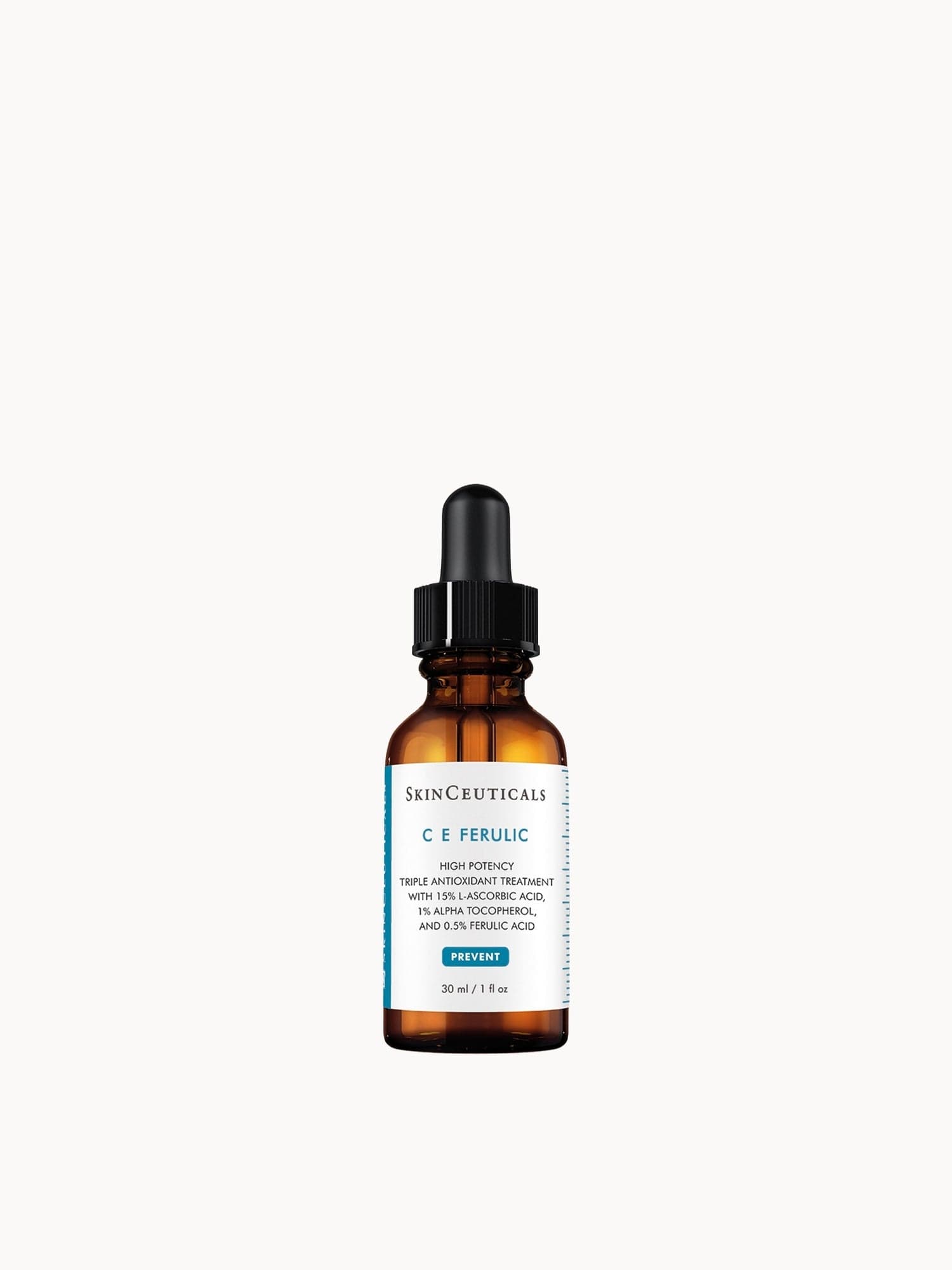 Best overallSkinCeuticals C E Ferulic
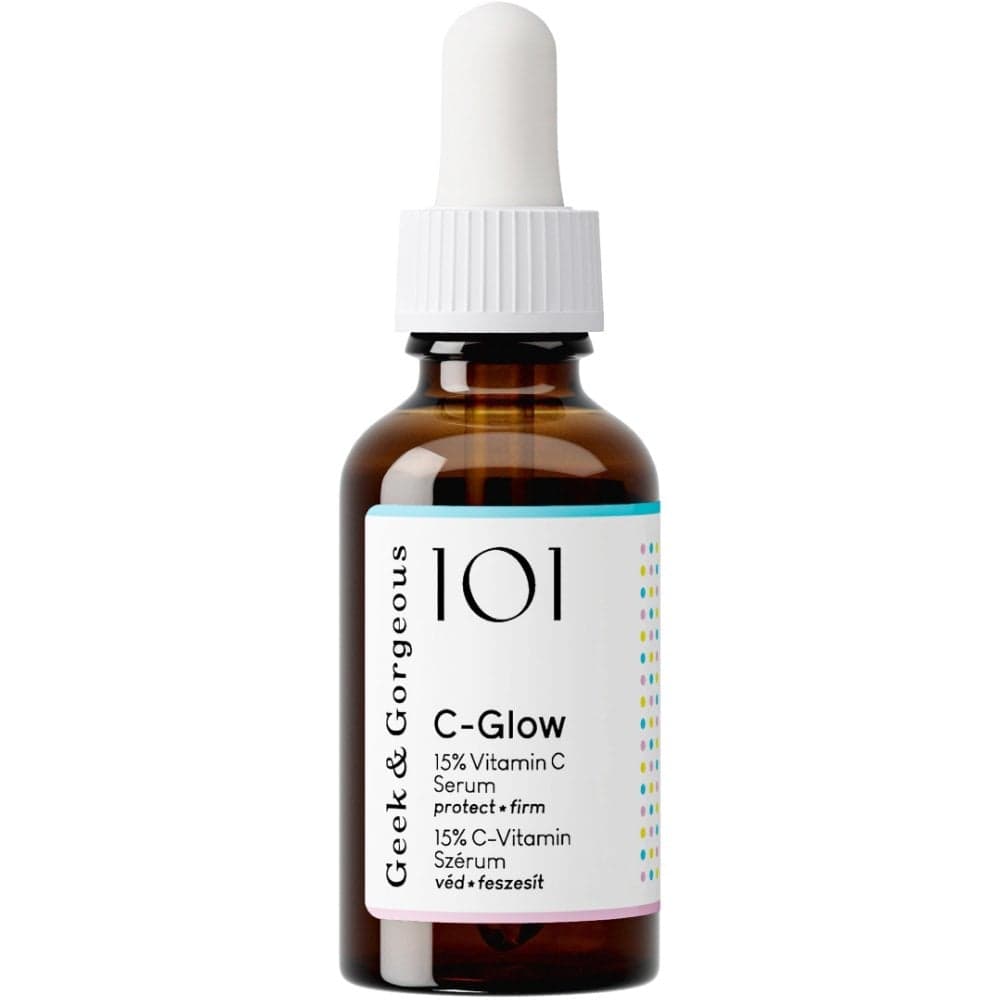 Best budget vitamin C serumGeek & Gorgeous C-Glow 15% Vitamin C Serum
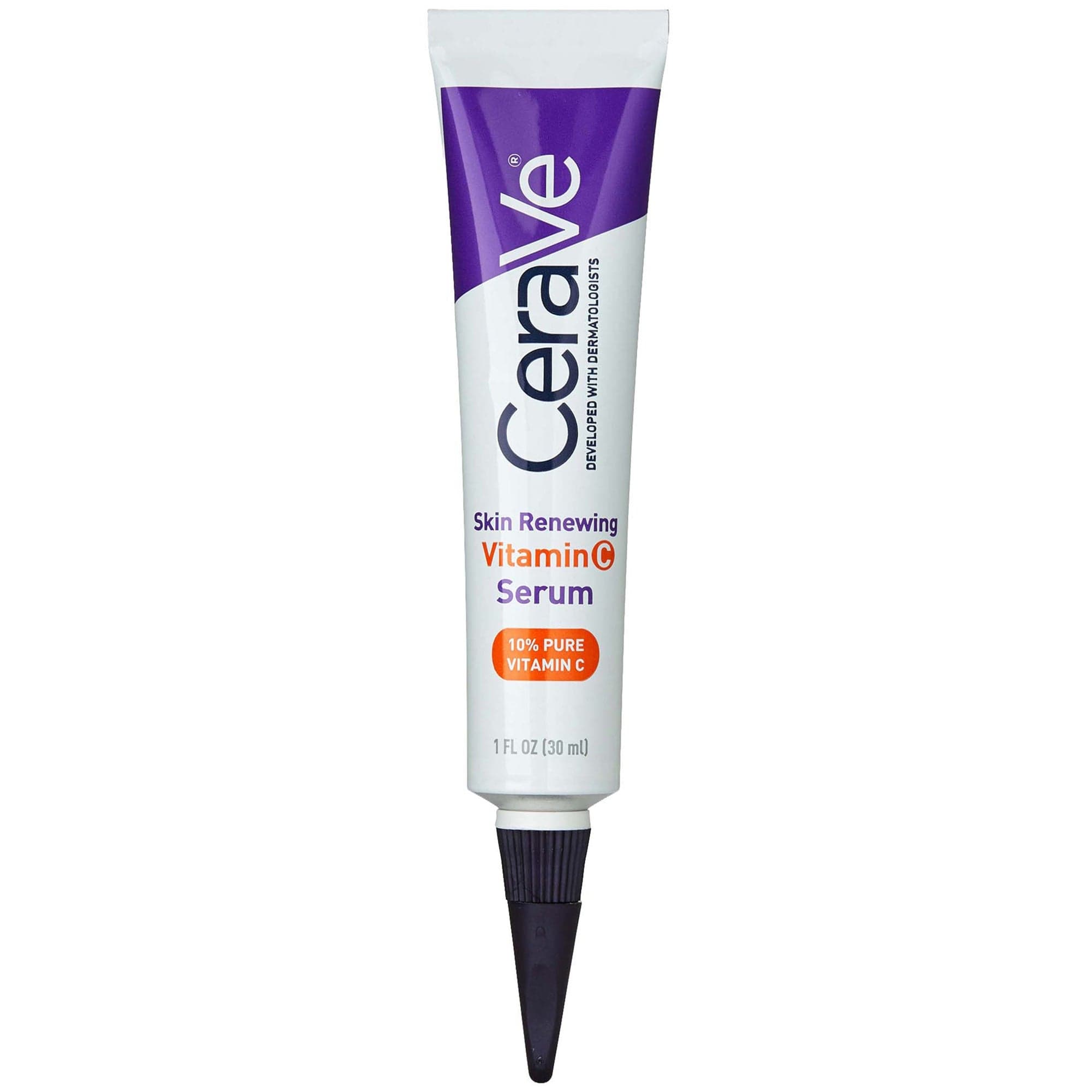 Best drugstore vitamin C serumCeraVe Skin Renewing Vitamin C Serum
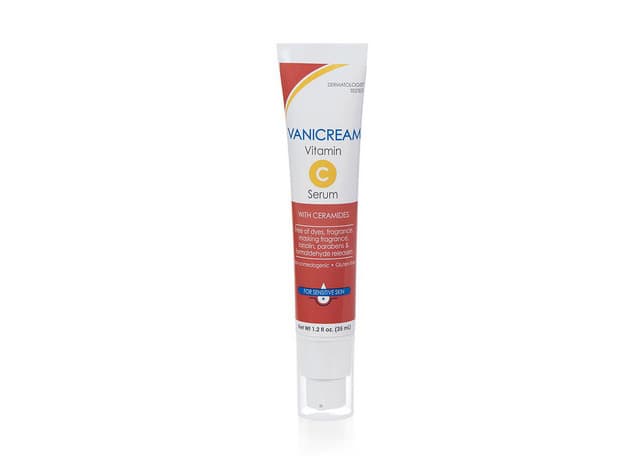 Best vitamin C serum for sensitive skinVanicream Vitamin C Serum
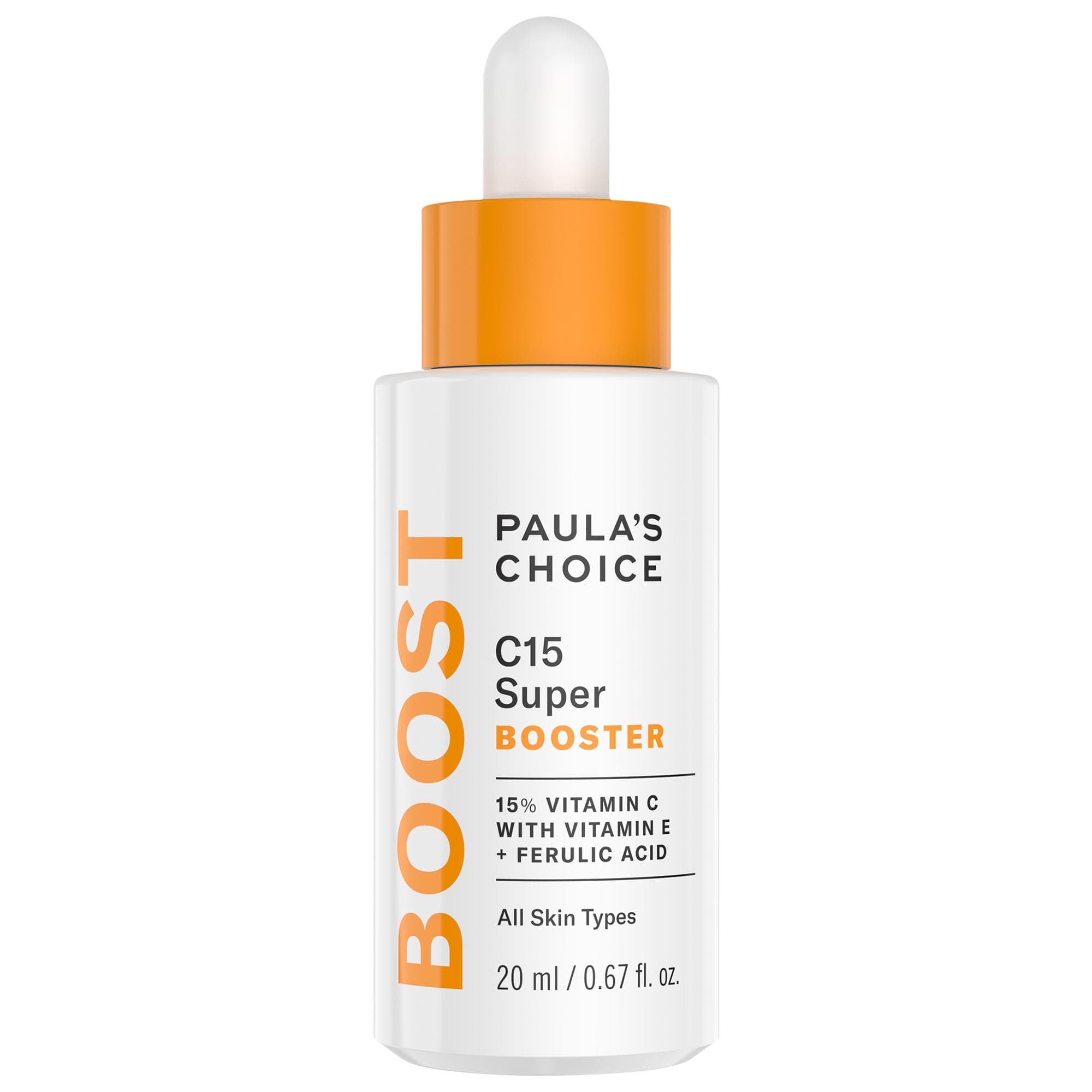 Best vitamin C serum for mature skinPaula's Choice C15 Super Booster
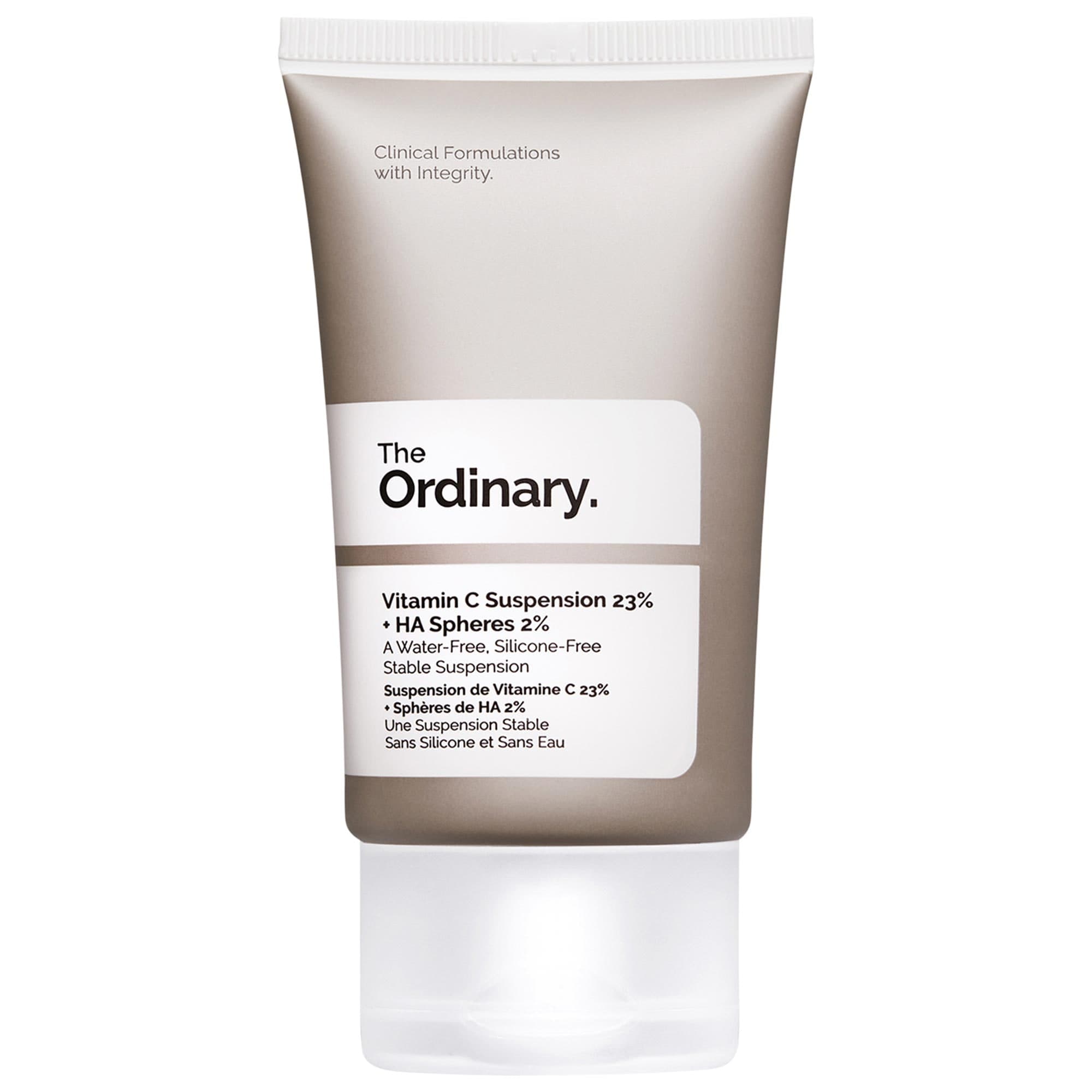 Best water-free vitamin C serumThe Ordinary Vitamin C Suspension 23% + HA Spheres 2%
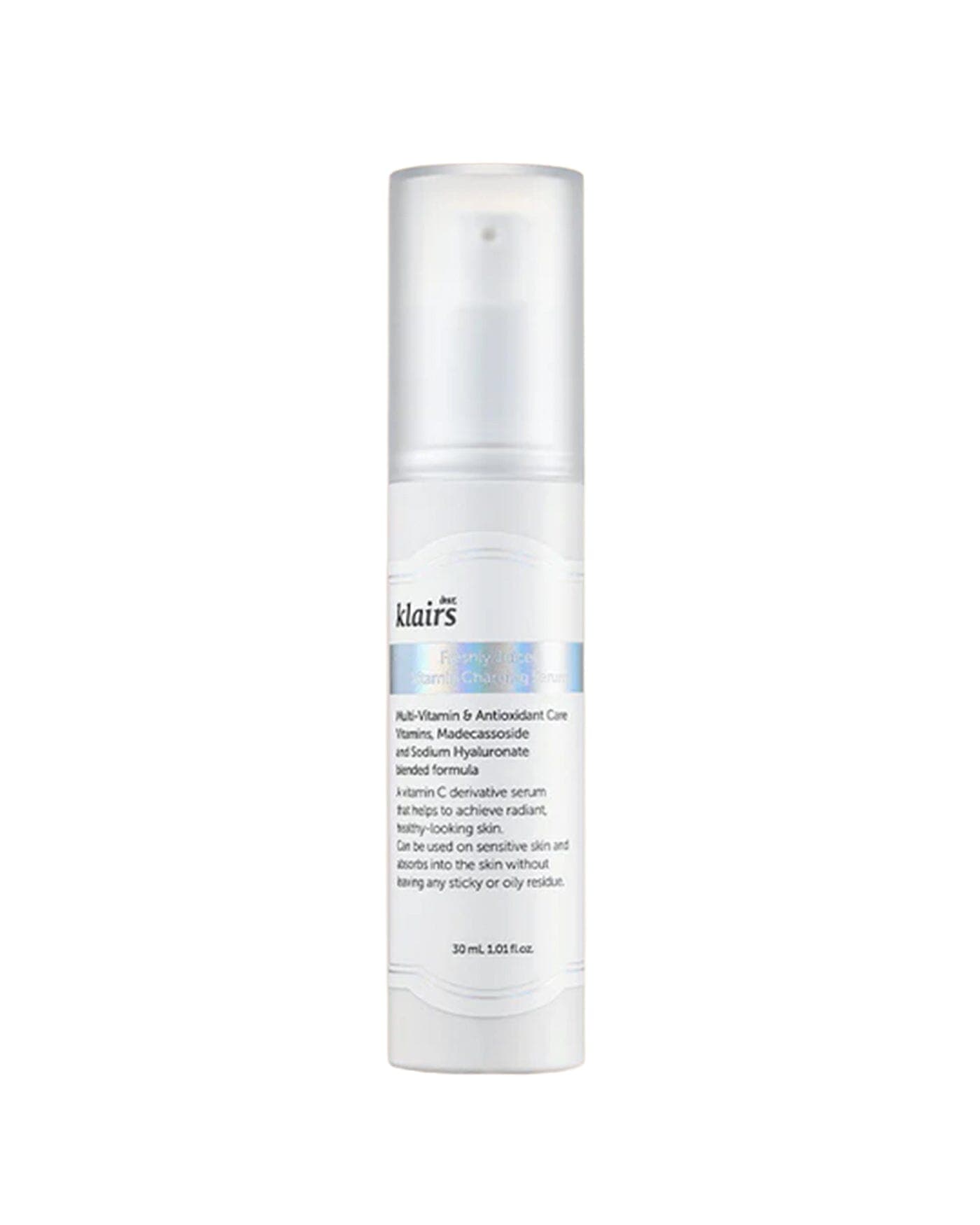 Best Korean vitamin C serumKlairs Freshly Juiced Vitamin Charging Serum
The short answer
- The best vitamin C serum overall is SkinCeuticals C E Ferulic: the 15% vitamin C, vitamin E and ferulic acid formula the research tested.
- The best budget vitamin C serum is Geek & Gorgeous C-Glow: the same three ingredients on a short list.
- At the drugstore, CeraVe Skin Renewing Vitamin C Serum; for sensitive skin, Vanicream Vitamin C Serum.
- Look for “ascorbic acid” near the top of the label, 10% to 20%, and no fragrance.
- Use it in the morning, under sunscreen, not instead of it.
How we chose: we read the ingredient lists of the 921 vitamin C serums in Avina’s catalog and the ones Wirecutter, Forbes and Reddit recommend most, then compared the finalists line by line. We did not test them on skin. Our method
of the serums in Avina’s catalog that list any form of vitamin C list only a derivative, not pure vitamin C. And at most 95 of the 921 put a percentage in their name; some of those numbers belong to other ingredients.
Every pick, side by side
| Pick | Vitamin C form and list position | Stated strength | Base | Added fragrance |
|---|---|---|---|---|
| SkinCeuticals C E FerulicBest overall | L-ascorbic acid (3rd of 9) | 15% L-ascorbic acid, 1% vitamin E, 0.5% ferulic acid (SkinCeuticals' numbers) | Water-based | None listed |
| Geek & Gorgeous C-Glow 15% Vitamin C SerumBest budget vitamin C serum | L-ascorbic acid (2nd of 10) | 15% vitamin C | Water-based | None listed |
| CeraVe Skin Renewing Vitamin C SerumBest drugstore vitamin C serum | L-ascorbic acid (2nd of 26) | 10% vitamin C (CeraVe's number) | Water-based | None listed |
| Vanicream Vitamin C SerumBest vitamin C serum for sensitive skin | tetrahexyldecyl ascorbate (4th of 20) | Not stated | Water-based | None listed |
| Paula's Choice C15 Super BoosterBest vitamin C serum for mature skin | L-ascorbic acid (2nd of 25) | 15% vitamin C (the C15 in the name) | Water-based | None listed |
| The Ordinary Vitamin C Suspension 23% + HA Spheres 2%Best water-free vitamin C serum | L-ascorbic acid (1st of 15) | 23% vitamin C | Water-free | None listed |
| Klairs Freshly Juiced Vitamin Charging SerumBest Korean vitamin C serum | ethyl ascorbic acid (2nd of 25) | 10% vitamin C (Klairs' number) | Water-based | No, but scented ingredients |
Best overall: SkinCeuticals C E Ferulic
Pure vitamin C (L-ascorbic acid) 3rd of 9 ingredients, with vitamin E and ferulic acid: the combination a Duke University study found doubled its protection. No fragrance and no drying alcohol.
- Pure vitamin C
- Strength stated
- No added fragrance
Label facts for SkinCeuticals C E Ferulic
- Vitamin C
- L-ascorbic acid (pure vitamin C), 3rd of 9 ingredients
- Strength
- 15% L-ascorbic acid, 1% vitamin E, 0.5% ferulic acid (SkinCeuticals' numbers)
- Partners
- Ferulic acid and vitamin E
- Base
- Water-based: water is 1st of 9
- Added fragrance
- None listed
- Drying alcohol
- None listed
- Supporting
- Glycerin and hyaluronic acid
Read from the label on September 30, 2026. Labels list ingredients by amount down to 1%, then in any order, so a position is not a percentage. Formulas change; check your box.
Good for: SkinCeuticals C E Ferulic
- Anyone who wants the formula the research tested
- A morning antioxidant under sunscreen
- Normal, dry and combination skin
Skip it if: SkinCeuticals C E Ferulic
- Budget: it is the priciest pick by far
- Very reactive skin: start with the Vanicream pick
Why we picked it: SkinCeuticals C E Ferulic
SkinCeuticals states its serum holds 15% L-ascorbic acid, 1% vitamin E, 0.5% ferulic acid. That is the recipe tested in a 2005 Duke University study: adding ferulic acid to 15% L-ascorbic acid and 1% vitamin E made the vitamins more stable and doubled the protection they gave skin against simulated sunlight, from about four-fold to about eight-fold. An earlier Duke study on pig skin found pure vitamin C only gets into skin when the formula is below pH 3.5, and that absorption peaks at 20%. Both studies were led from the lab of Duke dermatologist Sheldon Pinnell, who founded SkinCeuticals: the research and the product share an author, which is worth knowing.
The label is short: 9 ingredients, with L-ascorbic acid 3rd of 9, vitamin E (tocopherol) 7th and ferulic acid 8th. In the largest vitamin C thread we read, it is the most recommended serum; the complaints are the price, a smell some people dislike, and bottles that darkened before they were finished.
Flaws but not dealbreakers: SkinCeuticals C E Ferulic
- The price.
- A smell some Reddit users dislike.
- Pure vitamin C darkens as it oxidizes, so finish the bottle rather than saving it.
SkinCeuticals C E Ferulic ingredients (full list of 9, vitamin C marked)
Aqua / Water, Dipropylene Glycol, Ascorbic Acid, Glycerin, Laureth-23, Phenoxyethanol, Tocopherol, Ferulic Acid, Sodium Hyaluronate
As listed in Avina’s catalog on September 30, 2026. The list printed on your box is the one that counts.
Best budget vitamin C serum: Geek & Gorgeous C-Glow 15% Vitamin C Serum
A stated 15% vitamin C with vitamin E and ferulic acid, the SkinCeuticals trio, on a 10-ingredient list. No fragrance and no drying alcohol.
- Pure vitamin C
- Strength stated
- No added fragrance
Label facts for Geek & Gorgeous C-Glow 15% Vitamin C Serum
- Vitamin C
- L-ascorbic acid (pure vitamin C), 2nd of 10 ingredients
- Strength
- 15% vitamin C
- Partners
- Ferulic acid and vitamin E
- Base
- Water-based: water is 1st of 10
- Added fragrance
- None listed
- Drying alcohol
- None listed
- Supporting
- Nothing notable
Read from the label on September 30, 2026. Labels list ingredients by amount down to 1%, then in any order, so a position is not a percentage. Formulas change; check your box.
Good for: Geek & Gorgeous C-Glow 15% Vitamin C Serum
- The C E Ferulic idea for far less
- People who like short labels
- Oily and combination skin: a water-based serum
Skip it if: Geek & Gorgeous C-Glow 15% Vitamin C Serum
- Very reactive skin
- You want hydrators or peptides in the same bottle
Why we picked it: Geek & Gorgeous C-Glow 15% Vitamin C Serum
L-ascorbic acid is 2nd of 10, ferulic acid 6th and vitamin E 7th; everything else is a solvent, a preservative or a pH adjuster. There is nothing on this label to blame if your skin reacts, other than the vitamin C itself. In the vitamin C thread we read, a Reddit user names it as a serum that stays fresh.
Flaws but not dealbreakers: Geek & Gorgeous C-Glow 15% Vitamin C Serum
- No hydrating extras: pair it with a moisturizer.
- Pure vitamin C darkens as it oxidizes; buy the size you will finish.
Geek & Gorgeous C-Glow 15% Vitamin C Serum ingredients (full list of 10, vitamin C marked)
AQUA, L-ASCORBIC ACID, DIMETHYL ISOSORBIDE, BUTYLENE GLYCOL, PEG/PPG/POLYBUTYLENE GLYCOL-8/5/3 GLYCERIN, FERULIC ACID, TOCOPHEROL, PHENOXYETHANOL, ETHYLHEXYLGLYCERIN, SODIUM HYDROXIDE
As listed in Avina’s catalog on September 30, 2026. The list printed on your box is the one that counts.
Best drugstore vitamin C serum: CeraVe Skin Renewing Vitamin C Serum
Pure vitamin C 2nd of 26 ingredients with three ceramides and hyaluronic acid, fragrance-free and sold in drugstores. The catch: alcohol denat. is 6th.
- Pure vitamin C
- Strength stated
- No added fragrance
Label facts for CeraVe Skin Renewing Vitamin C Serum
- Vitamin C
- L-ascorbic acid (pure vitamin C), 2nd of 26 ingredients
- Strength
- 10% vitamin C (CeraVe's number)
- Partners
- Vitamin E
- Base
- Water-based: water is 1st of 26
- Added fragrance
- None listed
- Drying alcohol
- Alcohol Denat, 6th of 26
- Supporting
- Ceramides, glycerin, panthenol, cholesterol and hyaluronic acid
Read from the label on September 30, 2026. Labels list ingredients by amount down to 1%, then in any order, so a position is not a percentage. Formulas change; check your box.
Good for: CeraVe Skin Renewing Vitamin C Serum
- Drugstore shopping
- Dry skin that wants ceramides in the same step
- A first pure vitamin C serum
Skip it if: CeraVe Skin Renewing Vitamin C Serum
- Alcohol denat. bothers your skin
- You want ferulic acid in the formula
Why we picked it: CeraVe Skin Renewing Vitamin C Serum
CeraVe states 10% vitamin C. L-ascorbic acid sits 2nd of 26, and the rest is CeraVe’s barrier kit: ceramides NP, AP and EOP from the 10th place, cholesterol 18th and hyaluronic acid. No added fragrance.
Alcohol denat. comes 6th, before the preservative, so it is there in a real amount. It helps a water-based vitamin C serum feel light, but dry, easily irritated skin may notice it.
Flaws but not dealbreakers: CeraVe Skin Renewing Vitamin C Serum
- Alcohol denat. is 6th on the list.
- No ferulic acid or vitamin E pairing like the pricier picks.
CeraVe Skin Renewing Vitamin C Serum ingredients (full list of 26, vitamin C marked)
Aqua / Water / Eau, Ascorbic Acid, Glycerin, Dimethicone, Cetearyl Ethylhexanoate, Alcohol Denat, Sodium Hydroxide, Ammonium Polyacryloyldimethyl Taurate, Panthenol, Ceramide Np, Ceramide Ap, Ceramide Eop, Carbomer, Cetearyl Alcohol, Behentrimonium Methosulfate, Sodium Hyaluronate, Sodium Lauroyl Lactylate, Cholesterol, Phenoxyethanol, Tocopheryl Acetate, Disodium Edta, Isopropyl Myristate, Caprylyl Glycol, Xanthan Gum, Phytosphingosine, Ethylhexylglycerin
As listed in Avina’s catalog on September 30, 2026. The list printed on your box is the one that counts.
Best vitamin C serum for sensitive skin: Vanicream Vitamin C Serum
Tetrahexyldecyl ascorbate, an oil-soluble form of vitamin C, 4th of 20 ingredients, with five ceramides. No fragrance, no drying alcohol and no exfoliating acid.
- Vitamin C as tetrahexyldecyl ascorbate
- Strength not stated
- No added fragrance
Label facts for Vanicream Vitamin C Serum
- Vitamin C
- Tetrahexyldecyl ascorbate, 4th of 20 ingredients
- Strength
- Not stated in the product name
- Base
- Water-based: water is 1st of 20
- Added fragrance
- None listed
- Drying alcohol
- None listed
- Supporting
- Ceramides and glycerin
Read from the label on September 30, 2026. Labels list ingredients by amount down to 1%, then in any order, so a position is not a percentage. Formulas change; check your box.
Good for: Vanicream Vitamin C Serum
- Sensitive skin that stings with pure vitamin C
- Dry skin
- A gentle first vitamin C
Skip it if: Vanicream Vitamin C Serum
- You want the best-studied form, L-ascorbic acid
- You want a stated strength
Why we picked it: Vanicream Vitamin C Serum
Pure vitamin C only enters skin from a formula below pH 3.5, which is part of why it can sting. Tetrahexyldecyl ascorbate is an oil-soluble ester of vitamin C, and this list reads like a moisturizer: water, glycerin and an emollient, then the vitamin C, and further down carnosine and five ceramides.
The trade-off is evidence. The pig-skin study that set the rules for pure vitamin C found that three other forms of it did not raise the skin’s vitamin C at all, and this form has far fewer published human trials than L-ascorbic acid. Choose it for comfort, not for maximum effect.
Flaws but not dealbreakers: Vanicream Vitamin C Serum
- No stated strength.
- Thinner evidence than pure vitamin C.
Vanicream Vitamin C Serum ingredients (full list of 20, vitamin C marked)
water, glycerin, diisooctyl succinate, tetrahexyldecyl ascorbate, pentylene glycol, polyglyceryl-2 stearate, carnosine, ceramide NP, ceramide EOP, ceramide AP, ceramide NG, ceramide AS, phytosterols, glyceryl stearate, stearyl alcohol, hydrogenated lecithin, 1,2-hexanediol, polyacrylate crosspolymer-6, citric acid, caprylyl glycol
As listed in Avina’s catalog on September 30, 2026. The list printed on your box is the one that counts.
Best vitamin C serum for mature skin: Paula's Choice C15 Super Booster
A stated 15% vitamin C with ferulic acid, vitamin E and two peptides. No fragrance and no drying alcohol. Paula's Choice sells it as a booster to use alone or mix into moisturizer.
- Pure vitamin C
- Strength stated
- No added fragrance
Label facts for Paula's Choice C15 Super Booster
- Vitamin C
- L-ascorbic acid (pure vitamin C), 2nd of 25 ingredients
- Strength
- 15% vitamin C (the C15 in the name)
- Partners
- Ferulic acid and vitamin E
- Base
- Water-based: water is 1st of 25
- Added fragrance
- None listed
- Drying alcohol
- None listed
- Supporting
- Glycerin, panthenol, bisabolol, hyaluronic acid and peptides
Read from the label on September 30, 2026. Labels list ingredients by amount down to 1%, then in any order, so a position is not a percentage. Formulas change; check your box.
Good for: Paula's Choice C15 Super Booster
- Mature, dry or dull skin
- People who already own a moisturizer they love
- The C E Ferulic trio plus peptides
Skip it if: Paula's Choice C15 Super Booster
- You react to long lists: this one has 25
- A tight budget
Why we picked it: Paula's Choice C15 Super Booster
L-ascorbic acid is 2nd of 25, with ferulic acid and vitamin E further down, plus peptides and bisabolol. The trials on aging skin used pure vitamin C: in a six-month double-blind study, a 5% vitamin C cream improved the look of photoaged skin on the neck and arms compared with the same cream without it. This one states three times that.
Flaws but not dealbreakers: Paula's Choice C15 Super Booster
- A long list: 25 ingredients.
- Pricier than the budget picks.
Paula's Choice C15 Super Booster ingredients (full list of 25, vitamin C marked)
Water (Aqua/Eau), Ascorbic Acid, Glycerin, Ethoxydiglycol, PPG-26-Buteth-26, Mannitol, Tridecapeptide-1, Palmitoyl Tripeptide-5, Ergothioneine, Sodium Hyaluronate, Pentylene Glycol, PEG-40 Hydrogenated Castor Oil, Bisabolol, Sodium Gluconate, Decylene Glycol, Ferulic Acid, Oryza Sativa (Rice) Bran Extract, Tocopherol, Polyacrylate Crosspolymer-6, 1,2-Hexanediol, Panthenol, Sodium Phytate, Sodium Hydroxide, Citric Acid, Phenoxyethanol
As listed in Avina’s catalog on September 30, 2026. The list printed on your box is the one that counts.
Best water-free vitamin C serum: The Ordinary Vitamin C Suspension 23% + HA Spheres 2%
L-ascorbic acid is the first ingredient, suspended in squalane and other oils with no water on the list. No fragrance and no drying alcohol, and cheap.
- Pure vitamin C
- Strength stated
- Water-free
- No added fragrance
Label facts for The Ordinary Vitamin C Suspension 23% + HA Spheres 2%
- Vitamin C
- L-ascorbic acid (pure vitamin C), 1st of 15 ingredients
- Strength
- 23% vitamin C
- Base
- Water-free
- Added fragrance
- None listed
- Drying alcohol
- None listed
- Supporting
- Squalane and hyaluronic acid
Read from the label on September 30, 2026. Labels list ingredients by amount down to 1%, then in any order, so a position is not a percentage. Formulas change; check your box.
Good for: The Ordinary Vitamin C Suspension 23% + HA Spheres 2%
- People whose vitamin C serums keep going dark
- A high dose on a budget
- Normal to dry skin
Skip it if: The Ordinary Vitamin C Suspension 23% + HA Spheres 2%
- You want a light, watery serum: this is a thick suspension
- Oily skin that dislikes oils
Why we picked it: The Ordinary Vitamin C Suspension 23% + HA Spheres 2%
Pure vitamin C is unstable, the central problem every review of vitamin C formulas starts from. The Ordinary sidesteps water altogether: the vitamin C is suspended, undissolved, in squalane and other oils, with no water on the list.
The name states 23% vitamin C, more than the 20% at which absorption peaked in the pig-skin study, so more is not necessarily better here. What it buys you is stability at a low price.
Flaws but not dealbreakers: The Ordinary Vitamin C Suspension 23% + HA Spheres 2%
- A suspension: the vitamin C is not dissolved.
- 23% is above the 20% where absorption peaked in the pig-skin study.
The Ordinary Vitamin C Suspension 23% + HA Spheres 2% ingredients (full list of 15, vitamin C marked)
Ascorbic Acid, Squalane, Isodecyl Neopentanoate, Isononyl Isononanoate, Coconut Alkanes, Ethylene/Propylene/Styrene Copolymer, Ethylhexyl Palmitate, Silica Dimethyl Silylate, Sodium Hyaluronate, Glucomannan, Coco-Caprylate/Caprate, Butylene/Ethylene/Styrene Copolymer, Acrylates/Ethylhexyl Acrylate Crosspolymer, Trihydroxystearin, BHT
As listed in Avina’s catalog on September 30, 2026. The list printed on your box is the one that counts.
Best Korean vitamin C serum: Klairs Freshly Juiced Vitamin Charging Serum
Klairs states 10% vitamin C, here as ethyl ascorbic acid, 2nd of 25 ingredients, with niacinamide and panthenol. No added fragrance and no drying alcohol, though it lists citrus extracts.
- Vitamin C as ethyl ascorbic acid
- Strength stated
- Scented extracts
Label facts for Klairs Freshly Juiced Vitamin Charging Serum
- Vitamin C
- Ethyl ascorbic acid, 2nd of 25 ingredients
- Strength
- 10% vitamin C (Klairs' number)
- Partners
- Vitamin E
- Base
- Water-based: water is 1st of 25
- Added fragrance
- None listed, but the label includes citrus nobilis peel extract
- Drying alcohol
- None listed
- Supporting
- Niacinamide, glycerin, panthenol, centella, hyaluronic acid and licorice
Read from the label on September 30, 2026. Labels list ingredients by amount down to 1%, then in any order, so a position is not a percentage. Formulas change; check your box.
Good for: Klairs Freshly Juiced Vitamin Charging Serum
- K-beauty fans
- Beginners who want a stable, gentle form
- Vitamin C and niacinamide in one step
Skip it if: Klairs Freshly Juiced Vitamin Charging Serum
- You want pure L-ascorbic acid
- Citrus extracts or niacinamide bother you
Why we picked it: Klairs Freshly Juiced Vitamin Charging Serum
Ethyl ascorbic acid (3-O-ethyl ascorbic acid) is a vitamin C derivative sold as more stable than the pure form, with thinner research behind it. Here it is 2nd of 25, with niacinamide 4th, panthenol and madecassoside, a compound from centella. Near the end it lists citrus nobilis peel extract with lemon and grapefruit fruit extracts. Klairs’ better-known Freshly Juiced Vitamin Drop uses pure vitamin C, but the list in our catalog looked cut off, so we did not rate it.
Flaws but not dealbreakers: Klairs Freshly Juiced Vitamin Charging Serum
- Thinner evidence than pure vitamin C.
- Citrus extracts near the end of the list.
Klairs Freshly Juiced Vitamin Charging Serum ingredients (full list of 25, vitamin C marked)
Water, 3-O-Ethyl Ascorbic Acid, Butylene Glycol, Niacinamide, 1,2-Hexanediol, Glycerin, Methylpropanediol, Sodium Polyacryloyldimethyl Taurate, Panthenol, Xanthan Gum, Pentylene Glycol, Ethylhexylglycerin, Carbomer, Dipotassium Glycyrrhizate, Tromethamine, Adenosine, Madecassoside, Sodium Hyaluronate, Sodium Phytate, Beta-Glucan, Tocopherol, Linolenic Acid, Citrus Limon (Lemon) Fruit Extract, Citrus Nobilis (Mandarin Orange) Peel extract, Citrus Paradisi (Grapefruit) Fruit Extract
As listed in Avina’s catalog on September 30, 2026. The list printed on your box is the one that counts.
L-ascorbic acid or a derivative: which vitamin C is best?
Pure vitamin C, L-ascorbic acid, has the most research behind it, and it is the one to choose if you want the studied effect. Of the 921 vitamin C serums in our catalog, 276 list it; the rest use only a derivative. Derivatives exist because pure vitamin C is unstable (Stamford review). Each form, as it appears on a label:
- L-ascorbic acid (pure vitamin C). The best studied. It needs a formula below pH 3.5 to enter skin and absorption peaked at 20% in pig skin. It is also the least stable: it darkens as it oxidizes. On the label: “ascorbic acid” or “L-ascorbic acid”.
- Tetrahexyldecyl ascorbate. Oil-soluble, made to be more stable. Far fewer human trials. Also listed as ascorbyl tetraisopalmitate.
- Ethyl ascorbic acid. Water-soluble, made to be more stable. Common in Korean serums. Little independent research.
- Sodium ascorbyl phosphate, ascorbyl glucoside. Water-soluble forms made to be stable. In the Duke pig-skin study, a related salt (magnesium ascorbyl phosphate) and ascorbyl palmitate did not raise skin vitamin C levels.
A 2017 review of the research describes vitamin C as one of the skin’s most powerful antioxidants, with evidence for protection against sun damage and for fading pigmentation. The American Academy of Dermatology lists it among the ingredients that can fade dark spots.
How to use vitamin C serum
- In the morning, after cleansing, the usual time for an antioxidant under sunscreen (a dermatologist quoted by the AAD suggests it in the morning for skin-color changes in pregnancy).
- A few drops for the whole face, on dry skin, then moisturizer.
- Sunscreen last, every day. Vitamin C adds to sunscreen; it never replaces it.
- Retinol at night, not in the same step.
- Close it tightly and keep it cool and dark. If pure vitamin C turns orange or brown, it has oxidized.
Worried about mixing it with niacinamide? You do not need to be: our guide to mixing skincare ingredients explains where that myth came from. Our niacinamide picks pair well with any serum here.
What to check on a vitamin C serum label: six things
- Which vitamin C. “Ascorbic acid” means the pure form. Anything with “ascorbyl”, “ascorbate” or “ethyl” is a derivative.
- Where it sits. In the first few ingredients it is there in a real amount. Ingredients above 1% are listed by amount (21 CFR 701.3).
- A strength in the name. Research on pure vitamin C used 5% to 20%. Most serums say nothing: at most 95 of 921 in our catalog put a percentage in the name.
- No fragrance. The FDA notes fragrance can cause allergic reactions; a daily face serum does not need it.
- No alcohol denat. near the top. In the first five ingredients it is there in a real amount, and it can dry sensitive skin.
- Vitamin E and ferulic acid. The pairing with the best research behind it (Lin 2005).
One thing no label shows is the packaging, and it matters for pure vitamin C: an opaque, airtight bottle or pump protects it better than a clear dropper. Our guide to reading an ingredient list covers the rest.
How we picked, and why you can trust it
We started from every vitamin C serum in Avina’s catalog with a readable list, added the serums Wirecutter, Forbes Vetted, U.S. News and Reddit users recommend most, and read each label: the form of vitamin C and where it sits, any strength the name states, fragrance and scented extracts, drying alcohol and exfoliating acids. We kept serums with no added fragrance, then chose across budgets and skin types, checking every claim against the studies linked below.
- Every fact on a product card is read from its label and generated from it, not typed by hand.
- Every health claim links to its source, such as the AAD, the FDA, a Drug Facts label or a published study.
- No brand pays, sends free products or buys ads to be on a list, and commission never decides a pick.
- We did not test these on skin or run a panel, and we say so on every post.
Our full method explains what we check and why.
Also considered
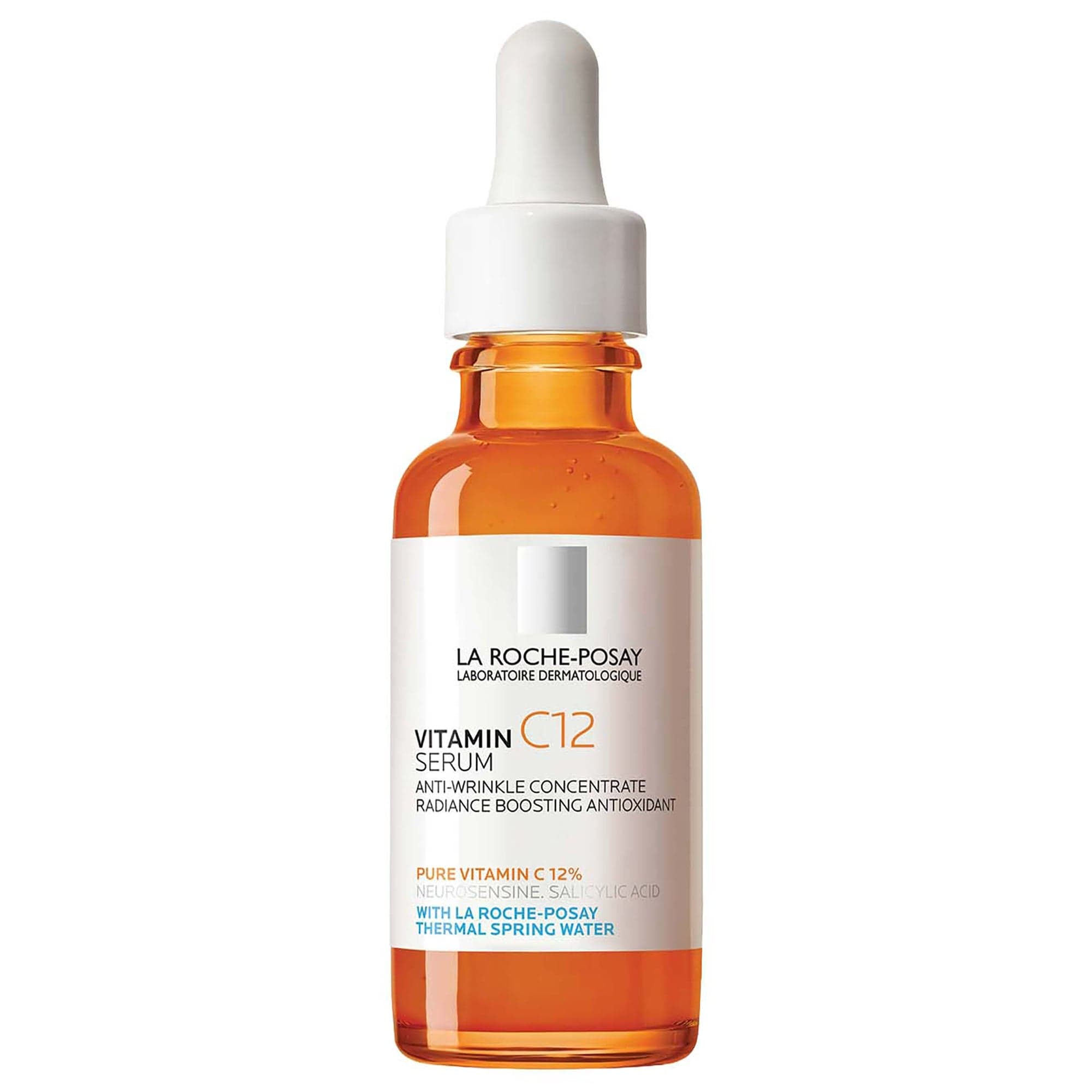
La Roche-Posay 12% Pure Vitamin C Serum
A stated 12% vitamin C, as pure L-ascorbic acid, but alcohol denat. is 5th and fragrance is listed last of 29.
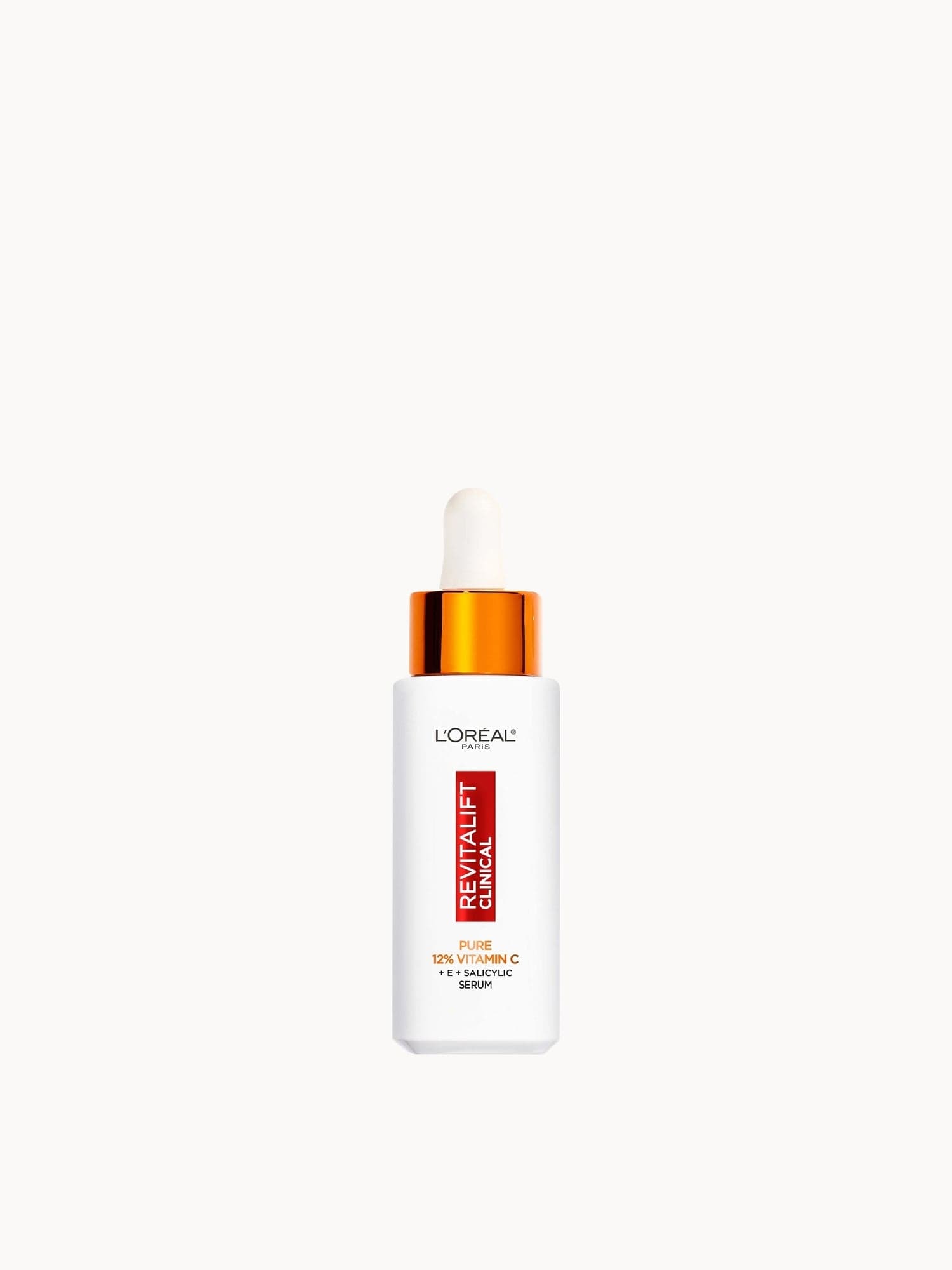
L'Oréal Paris Revitalift Clinical 12% Pure Vitamin C Serum
The same idea at the drugstore, with alcohol denat. 5th, salicylic acid and fragrance (last of 29). Forbes Vetted names it a pick for sensitive skin (September 2026); the label says otherwise.
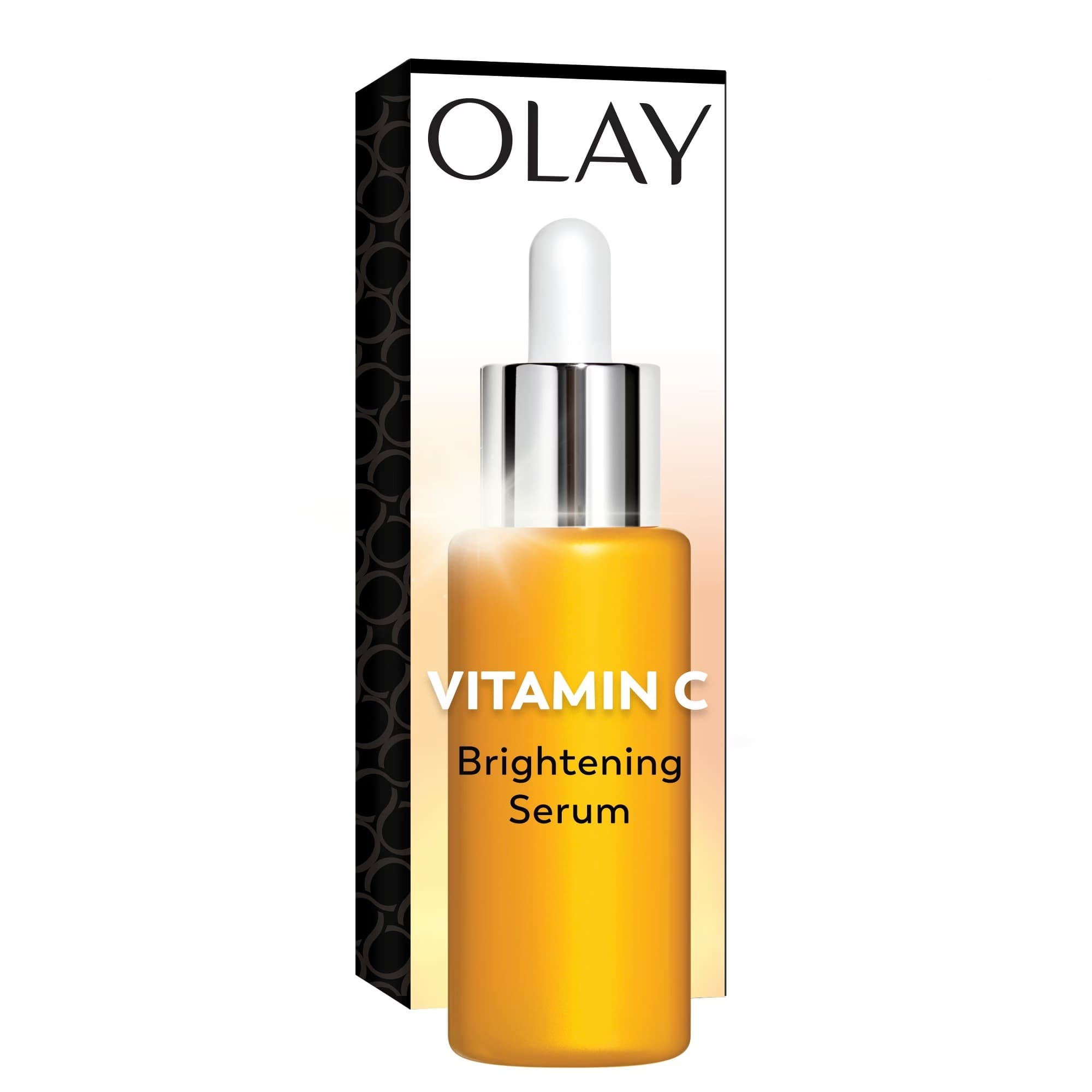
Olay Vitamin C + Peptide 24 Brightening Serum
Wirecutter’s pick for combination skin (September 2026). Ethyl ascorbic acid is only 7th of 14, after lactic acid, and fragrance is listed last of 14.
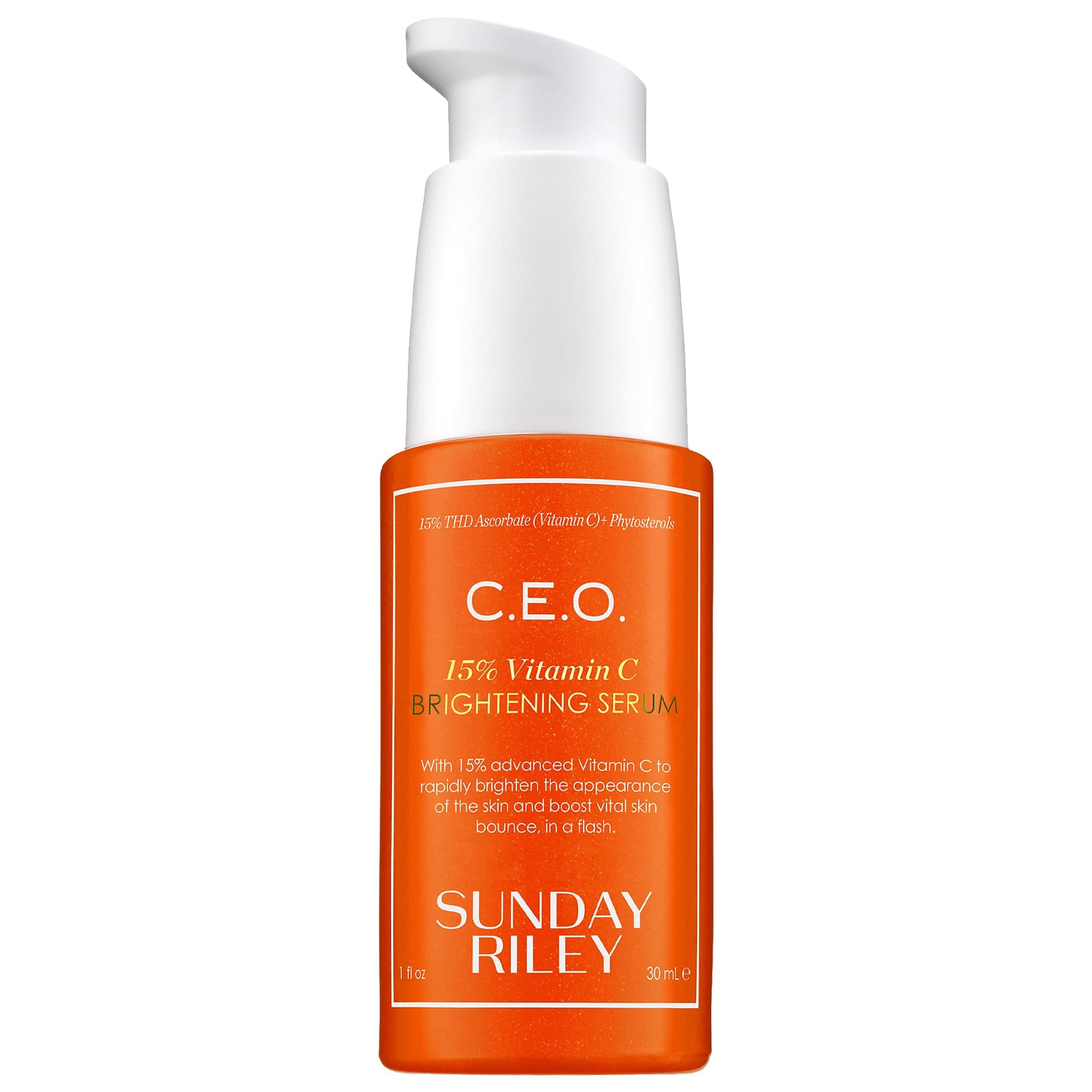
Sunday Riley C.E.O. 15% Vitamin C Brightening Serum
Tetrahexyldecyl ascorbate 2nd of 26, but the list includes citrus tangerina peel oil, limonene and linalool, and glycolic acid.
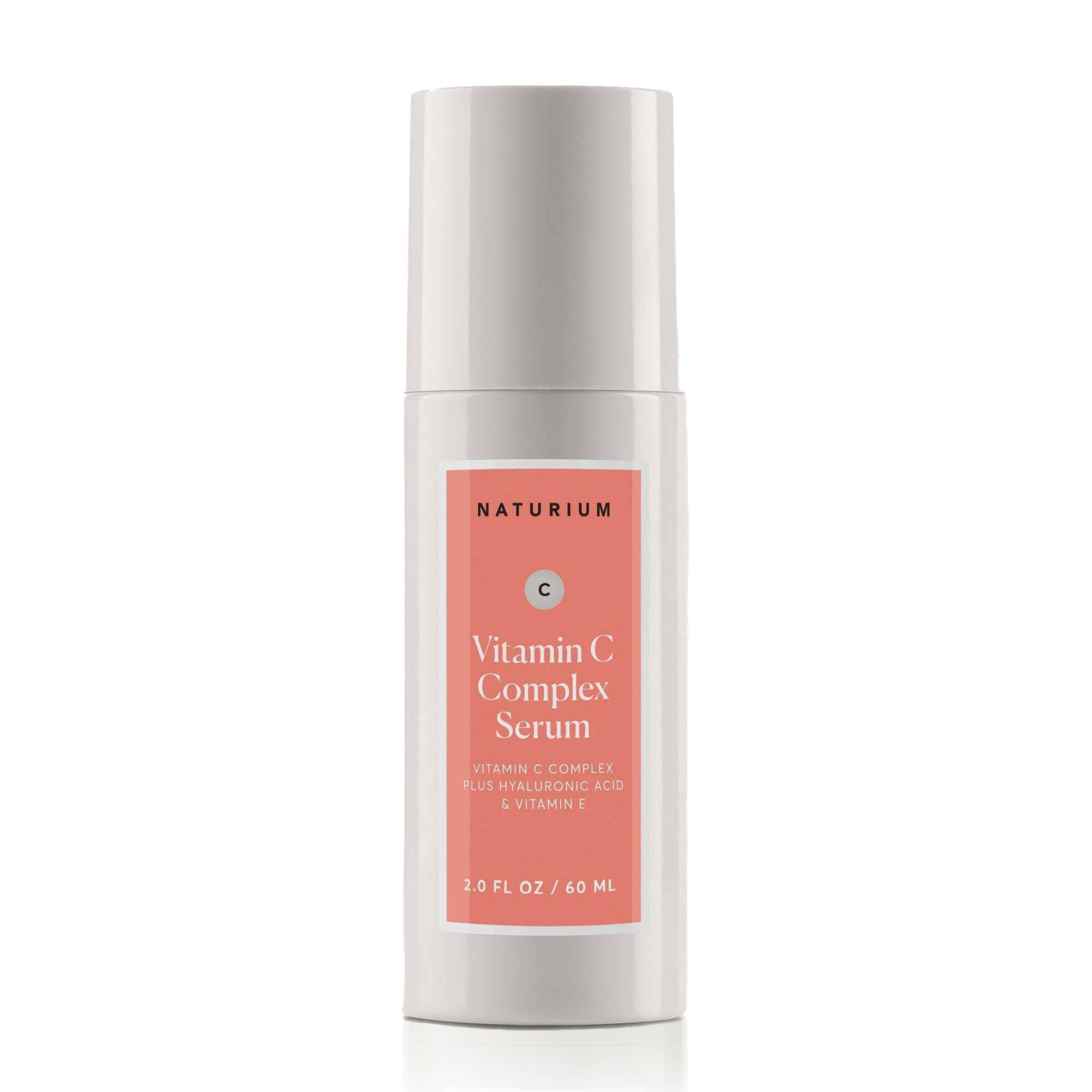
Naturium Vitamin C Complex Serum
Sodium ascorbyl phosphate 4th of 35 and pure vitamin C 5th of 35, fragrance-free and inexpensive, but no stated strength.
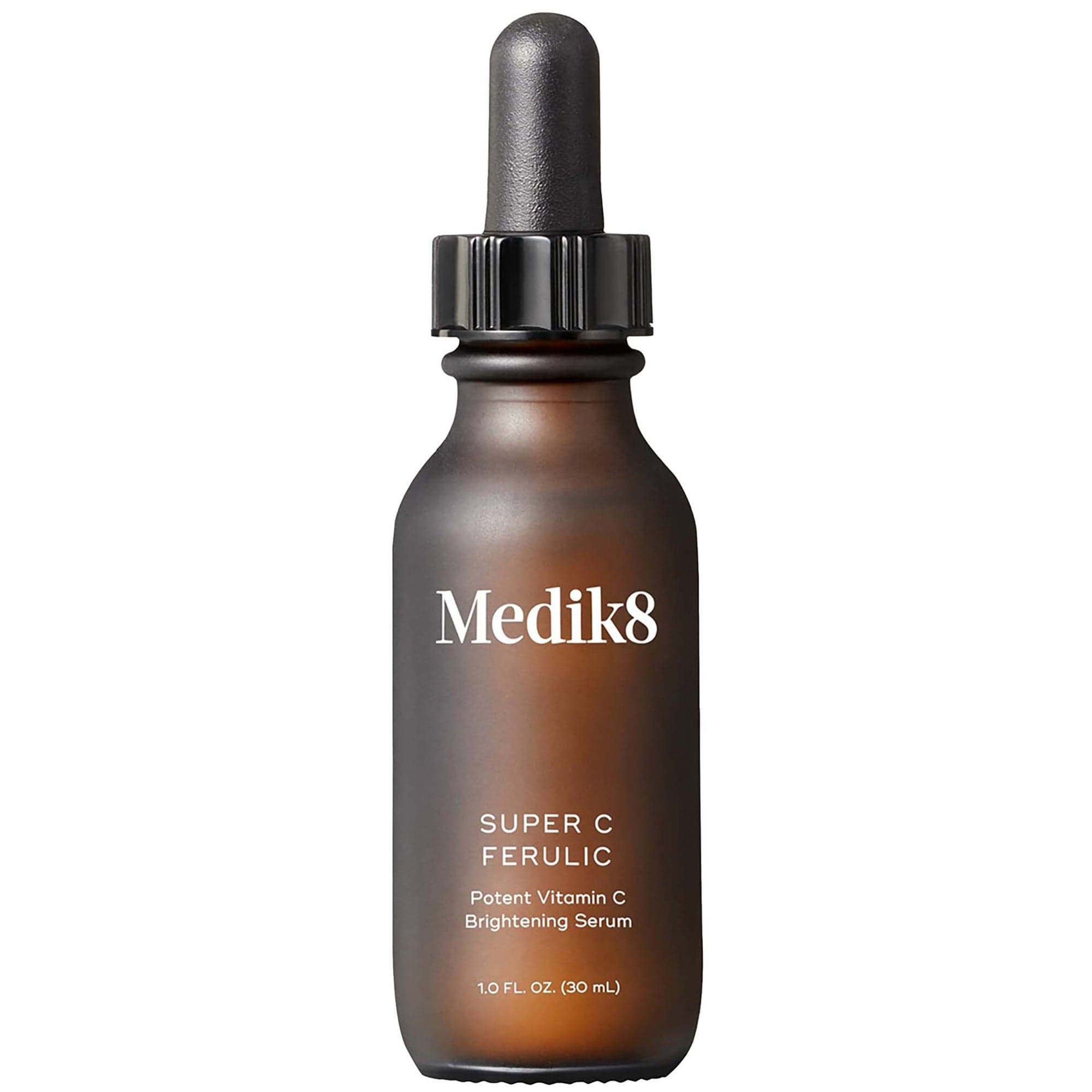
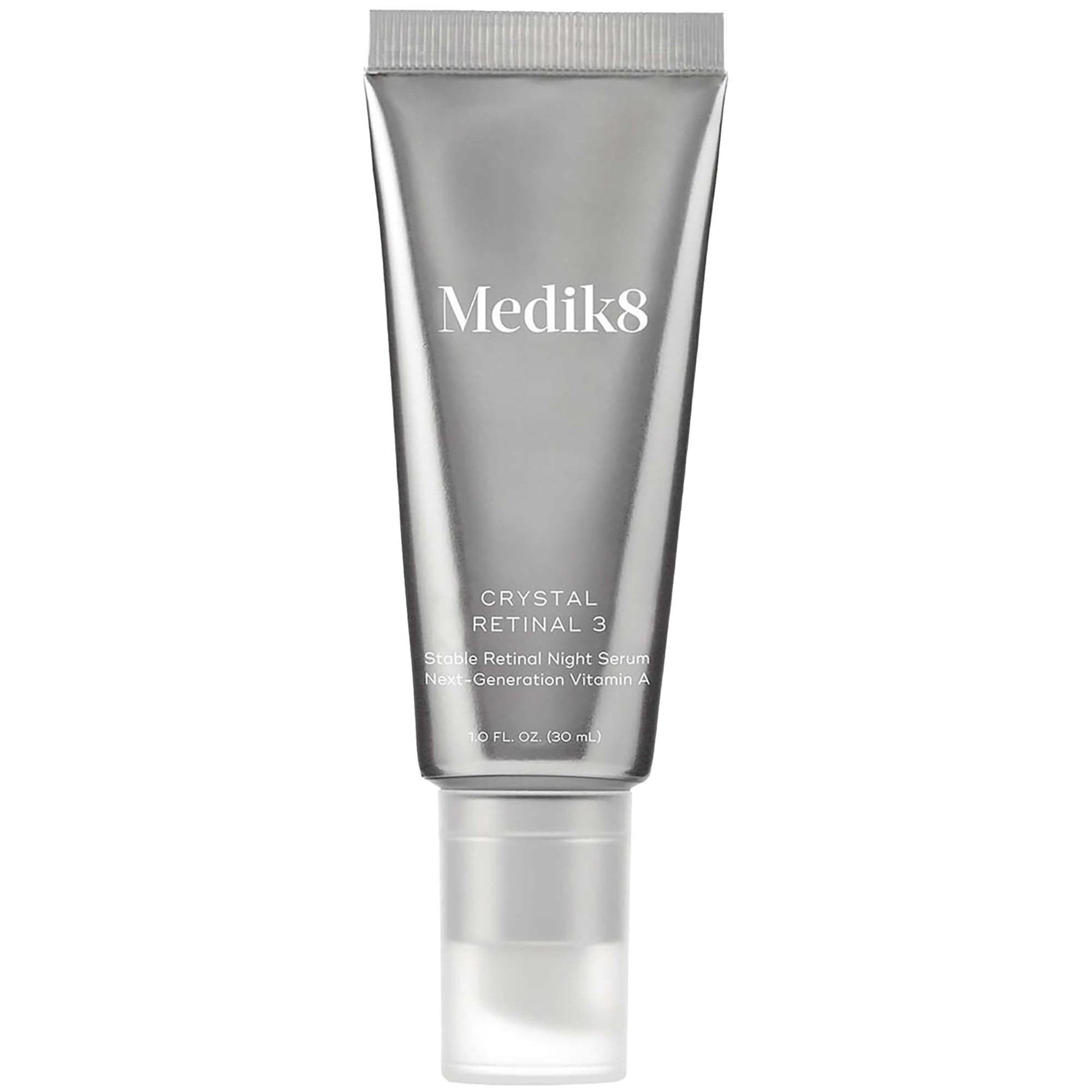
Medik8 Super C Ferulic
Ethyl ascorbic acid 2nd of 9 with ferulic acid and vitamin E on a 9-ingredient list. A close runner-up to Klairs.
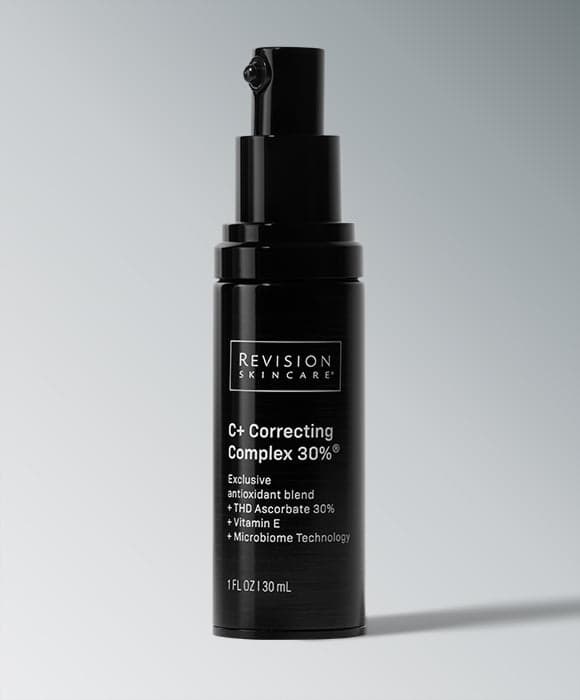
Revision Skincare C+ Correcting Complex 30%
Tetrahexyldecyl ascorbate 2nd of 29, fragrance-free; the name’s “30%” does not say of what.
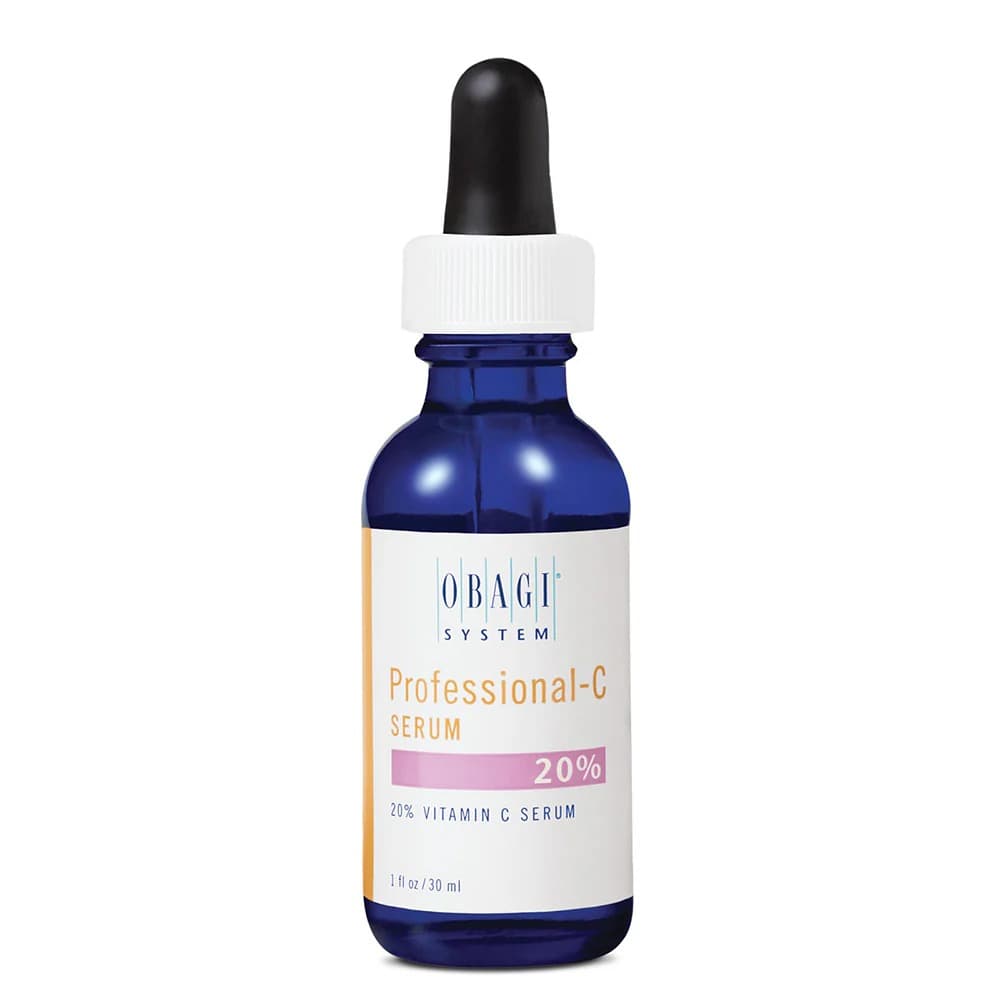
Obagi Professional-C Serum 20%
Pure vitamin C 2nd of 11, but alcohol is 3rd and fragrance is listed.
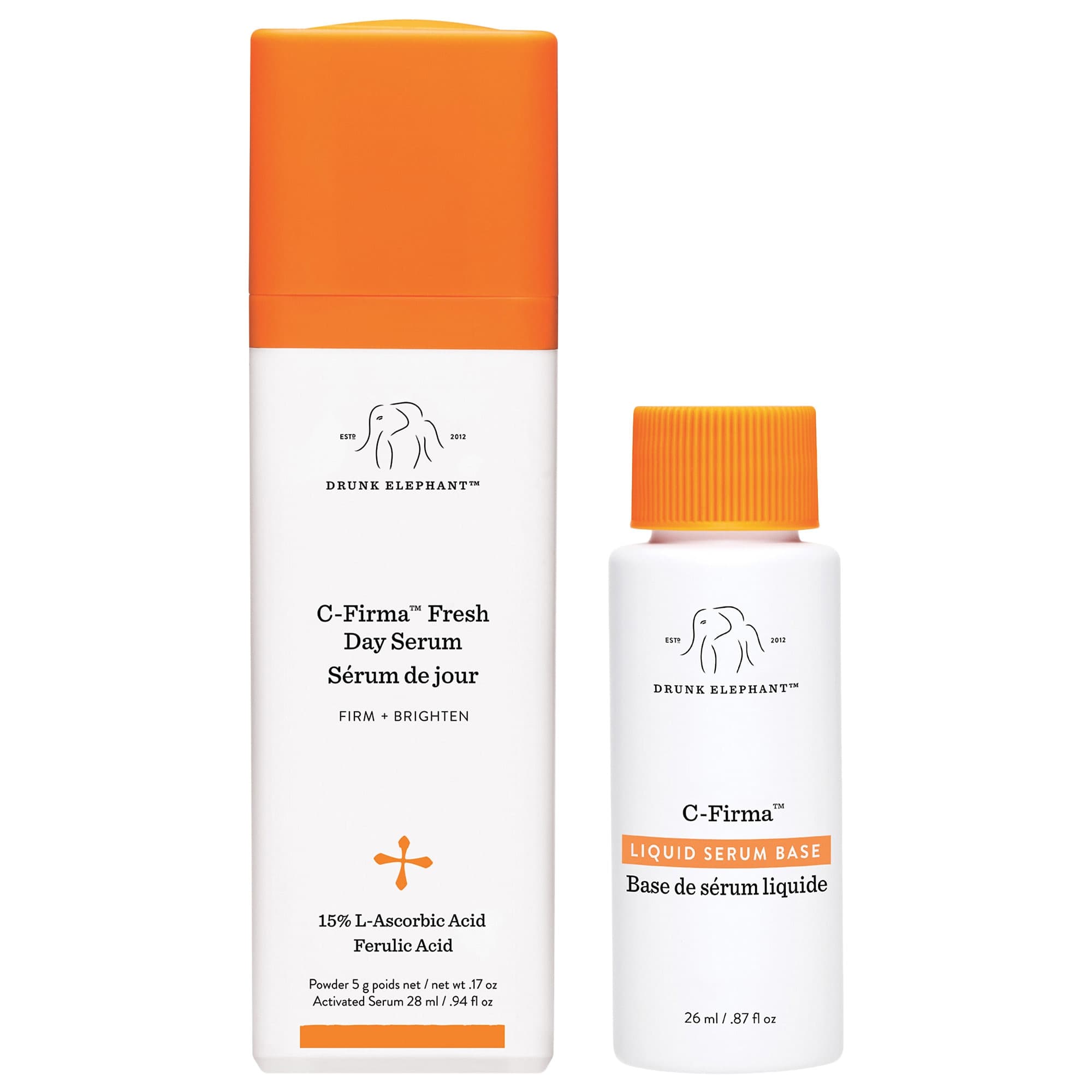
Drunk Elephant C-Firma Fresh Day Serum
Pure vitamin C 3rd of 33 with ferulic acid, mixed fresh from two parts, but with gluconolactone, an exfoliating acid.
Questions people ask
What is the best vitamin C serum?
SkinCeuticals C E Ferulic, if you can afford it: it is the 15% L-ascorbic acid, vitamin E and ferulic acid formula that a Duke University study found doubled its protection against simulated sunlight. Geek & Gorgeous C-Glow 15% Vitamin C Serum puts the same three ingredients on a 10-ingredient list for far less.
What vitamin C serum do dermatologists recommend?
The American Academy of Dermatology does not recommend brands. It lists vitamin C among the ingredients that can fade dark spots, and for skin-color changes in pregnancy a dermatologist quoted by the AAD suggests vitamin C in the morning. The combination with published lab research behind it is 15% L-ascorbic acid with vitamin E and ferulic acid.
What is the best drugstore vitamin C serum?
CeraVe Skin Renewing Vitamin C Serum: pure vitamin C 2nd of 26 ingredients, ceramides and no fragrance. Alcohol denat. sits 6th, which may bother very dry skin.
What is the best vitamin C serum for sensitive skin?
Vanicream Vitamin C Serum. It uses tetrahexyldecyl ascorbate, an oil-soluble form of vitamin C, with ceramides and no fragrance and no drying alcohol. Pure vitamin C needs a very acidic formula to work, which is part of why it can sting.
What percentage of vitamin C is best?
For pure vitamin C (L-ascorbic acid), 10% to 20% sits in the studied range. In the Duke pig-skin study, absorption peaked at 20%, so more is not better. A 5% vitamin C cream still improved photoaged skin over six months in a double-blind study. Derivatives are measured differently, so their percentages do not compare.
Should I use vitamin C serum in the morning or at night?
The morning is the usual choice: vitamin C is an antioxidant, and the research on it measured protection against sunlight. Apply it after cleansing, then moisturizer and sunscreen. It does not replace sunscreen.
Can I use vitamin C and niacinamide together?
Yes. The old warning that they cancel each other out comes from lab tests of the raw chemicals at high heat, not from skincare. Our Learn guide on mixing ingredients explains it.
Can I use vitamin C and retinol together?
Yes, at different times: the usual routine is vitamin C in the morning and retinol at night, which matches the AAD's advice to use retinoids only at night. See our retinol picks for the night step.
How do I know if my vitamin C serum has gone bad?
Pure vitamin C darkens as it oxidizes; a serum that has turned orange or brown has oxidized. Reddit users report bottles that darkened before they finished them. Keep the cap closed, store it away from heat and light, and buy a size you will use up. Water-free formulas and derivatives are more stable.
Is vitamin C serum safe during pregnancy?
A dermatologist quoted by the American Academy of Dermatology suggests vitamin C in the morning for skin-color changes in pregnancy, with glycolic acid in the evening. Ask your clinician about any product you are unsure of.
How long does vitamin C serum take to work?
Weeks to months. The double-blind study of a 5% vitamin C cream judged results at three and six months. Use it daily and give it at least two to three months before deciding.
Sources
- Lin et al. (Duke University; senior author Sheldon Pinnell founded SkinCeuticals): Ferulic acid stabilizes a solution of vitamins C and E and doubles its photoprotection of skin, Journal of Investigative Dermatology (2005)
- Pinnell et al.: Topical L-ascorbic acid: percutaneous absorption studies, Dermatologic Surgery (2001)
- SkinCeuticals: Our founder, Dr. Sheldon Pinnell (the brand's own page)
- Humbert et al.: Topical ascorbic acid on photoaged skin, double-blind study vs placebo, Experimental Dermatology (2003)
- Stamford (Ultraceuticals, a skincare maker): Stability, transdermal penetration, and cutaneous effects of ascorbic acid and its derivatives, Journal of Cosmetic Dermatology (2012)
- Al-Niaimi and Chiang: Topical vitamin C and the skin: mechanisms of action and clinical applications, Journal of Clinical and Aesthetic Dermatology (2017)
- American Academy of Dermatology: How to fade dark spots in darker skin tones
- American Academy of Dermatology: Pregnancy skin care
- American Academy of Dermatology: Retinoid or retinol?
- FDA: Fragrances in cosmetics
- 21 CFR 701.3: order of ingredients on cosmetic labels (the 1% rule)
- Reddit, r/SkincareAddictionLux: "Once and for all. What is the best vitamin C serum and why?" (2024)
Written by Avina Picks. Not clinically reviewed, and not a treatment plan: ask a dermatologist about a skin condition, a prescription, pregnancy or breastfeeding.
Vitamin C works on the mornings you use it
Avina keeps your morning and evening routines with your real products, and records the days you did them, so a morning serum becomes a habit rather than a bottle that sits on the shelf. It is the same catalog every label on this page was read from.

More from Avina Picks
- Niacinamide
The Best Niacinamide Serums
Paula's Choice 10% Niacinamide Booster is our pick, and The Ordinary's Niacinamide 10% + Zinc 1% the budget one. More is not better: the best-known trials used 2% to 5%.Published - Hyaluronic acid
The Best Hyaluronic Acid Serums
The Ordinary's Hyaluronic Acid 2% + B5 is our pick: hyaluronic acid near the top of a fragrance-free list, now with skin lipids, for very little. Put it on damp skin and seal it with moisturizer.Published - Retinol
The Best Retinol Serums and Creams
Start with a disclosed low strength and a fragrance-free formula. Our pick for most people is Paula's Choice 0.3% Retinol; on a budget, CeraVe's Resurfacing Retinol Serum.Updated