Avina Picks
CeraVe Resurfacing Retinol Serum Review
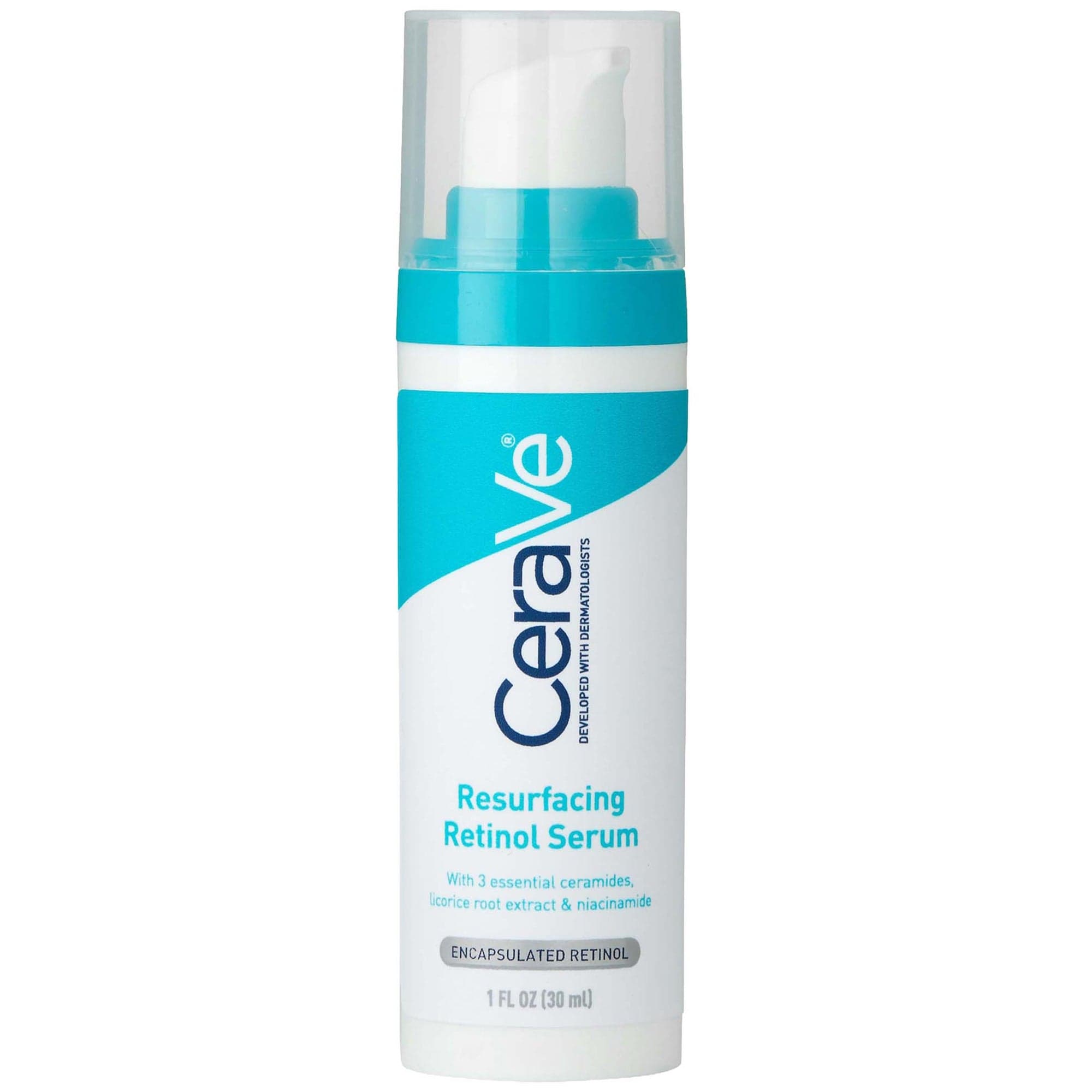
A good first retinol on a budget: fragrance-free, with three ceramides, niacinamide and a licorice-derived compound around the retinol. The catch is that CeraVe does not say how much retinol is in it.
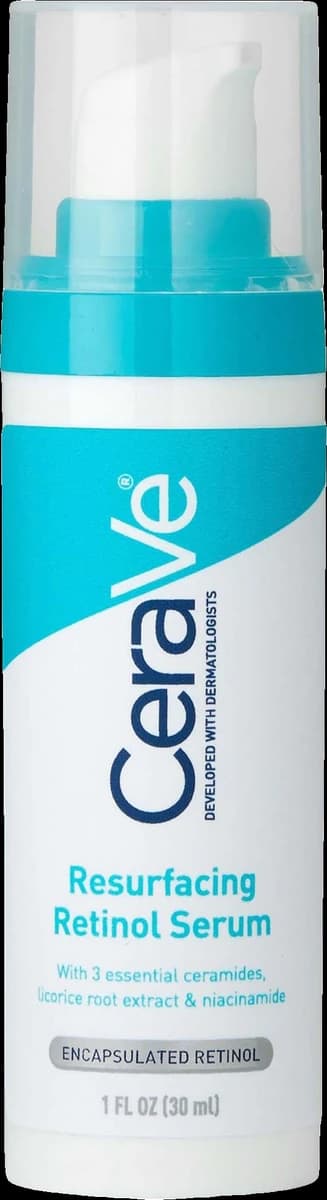
- Retinol, 19th of 33 ingredients
- Three ceramides, cholesterol, niacinamide
- No strength printed
Is it good? Our verdict
A good first retinol on a budget. CeraVe calls it gentle, and its label fits that: no fragrance, three ceramides with cholesterol, and niacinamide alongside the retinol. What the label does not tell you is how much retinol it holds, so treat it as a starting point rather than a strength you can compare.
- Strength not stated
- No added fragrance
- A little drying alcohol
Pros and cons
Pros
- No fragrance and no scented plant extracts on the list
- Three ceramides, cholesterol and niacinamide alongside the retinol
- A drugstore serum in a pump bottle, sold at Amazon, Target and Ulta
Cons
- CeraVe does not state the retinol strength, on the pack or on its websites
- The "licorice root extract" on the bottle is dipotassium glycyrrhizate, not a licorice compound studied for dark spots
- CeraVe's published results come from its own small studies of about 50 people, not a peer-reviewed trial
- Mixed directions: daily on the carton, PM only on CeraVe's website, twice a day in its before-and-after photo
Who it is for
It is the best affordable retinol for beginners in our retinol guide. Here is who it suits:
Good for
- A first retinol, started slowly
- Oily, combination and acne-prone skin: CeraVe calls it lightweight and non-comedogenic
- Post-acne dark marks, together with daily sunscreen
- Anyone avoiding fragrance
Skip it if
- You want to know your dose: pick a retinol with a stated strength
- You are pregnant or trying to be
- Your skin is very dry or allergy-prone: the AAD says people with dryness or skin allergies are probably not good candidates for a retinoid, so ask a dermatologist first
- You already use a retinoid: this is a starting point, not a step up
The version we reviewed
Reviews of this serum often describe another country’s bottle and directions, or CeraVe’s other retinol serum. This one covers the bottle sold in the US today, and every ingredient fact below comes from its US list.
Version reviewed
- Product
- CeraVe Resurfacing Retinol Serum, 1 fl oz (30 mL), pump bottle
- Market
- United States
- Ingredient list
- 33 ingredients, read on CeraVe's US website on October 6, 2026
- Checked against
- The Amazon listing our button opens and Target's photo of the printed US carton: the same list
- Barcode
- 3606000512276, the same on CeraVe's site, Amazon and Target's carton photo
- Strength
- Not stated on the pack or on CeraVe’s US, UK and Canadian pages
- Directions
- Carton: apply evenly to face daily. CeraVe's US website: PM only
- List history
- 26 ingredients on CeraVe's page in 2020; these 33 by February 2021, the first 26 unchanged
- Other markets
- The UK and Canadian pages list the same 33, in the same order
- Also sold at
- Target and Ulta
Sources: CeraVe US, its 2020 page, Target's carton photo, CeraVe UK and CeraVe Canada. Whether the change by 2021 was a new formula or the page catching up with the bottle, CeraVe does not say. Formulas change; check your box.
Label facts for CeraVe Resurfacing Retinol Serum
- Retinoid
- Retinol, 19th of 33 ingredients
- Strength
- Not stated in the product name
- Added fragrance
- None listed
- Drying alcohol
- ALCOHOL, 24th of 33, after the preservative
- Supporting
- Ceramides, niacinamide, cholesterol, hyaluronic acid and licorice
- Cruelty-free certified
- No
Read from CeraVe's US website on October 6, 2026. Labels list ingredients by amount down to 1%, then in any order, so a position is not a percentage. Formulas change; check your box. Cruelty-free certification: the Leaping Bunny and Cruelty Free International directories on October 6, 2026.
CeraVe Resurfacing Retinol Serum ingredients, mapped
The full list, in the order it is printed, colored by what each ingredient does. The line falls at the preservative: from there down, everything is used at about 1% or less. New to reading a list? Start with our guide to reading an ingredients list.
- Retinol
- Barrier lipids
- Niacinamide and the licorice compound
- Hyaluronic acid
- Preservative
- Alcohol (ethanol)
- Base: texture, pH and stability
Listed before the preservative
- 1Aqua/Water/Eau
- 2Propanediol
- 3Dimethicone
- 4Cetearyl Ethylhexanoate
- 5Niacinamide, Niacinamide and the licorice compound
- 6Ammonium Polyacryloyldimethyl Taurate
- 7Dipotassium Glycyrrhizate, Niacinamide and the licorice compound
- 8Hydrogenated Lecithin
- 9Potassium Phosphate
- 10Ceramide NP, Barrier lipids
- 11Ceramide AP, Barrier lipids
- 12Ceramide EOP, Barrier lipids
- 13Carbomer
- 14Cetearyl Alcohol
- 15Behentrimonium Methosulfate
- 16Dimethiconol
- 17Lecithin
- 18Sodium Citrate
- 19Retinol, Retinol
- 20Sodium Hyaluronate, Hyaluronic acid
- 21Sodium Lauroyl Lactylate
- 22Cholesterol, Barrier lipids
The preservative and everything after it: about 1% or less each
- 23Phenoxyethanol, Preservative
- 24Alcohol, Alcohol (ethanol)
- 25Isopropyl Myristate
- 26Caprylyl Glycol
- 27Citric Acid
- 28Trisodium Ethylenediamine Disuccinate
- 29Pentylene Glycol
- 30Phytosphingosine, Barrier lipids
- 31Xanthan Gum
- 32Polysorbate 20
- 33Ethylhexylglycerin
The full list, as CeraVe prints it: AQUA/WATER/EAU, PROPANEDIOL, DIMETHICONE, CETEARYL ETHYLHEXANOATE, NIACINAMIDE, AMMONIUM POLYACRYLOYLDIMETHYL TAURATE, DIPOTASSIUM GLYCYRRHIZATE, HYDROGENATED LECITHIN, POTASSIUM PHOSPHATE, CERAMIDE NP, CERAMIDE AP, CERAMIDE EOP, CARBOMER, CETEARYL ALCOHOL, BEHENTRIMONIUM METHOSULFATE, DIMETHICONOL, LECITHIN, SODIUM CITRATE, RETINOL, SODIUM HYALURONATE, SODIUM LAUROYL LACTYLATE, CHOLESTEROL, PHENOXYETHANOL, ALCOHOL, ISOPROPYL MYRISTATE, CAPRYLYL GLYCOL, CITRIC ACID, TRISODIUM ETHYLENEDIAMINE DISUCCINATE, PENTYLENE GLYCOL, PHYTOSPHINGOSINE, XANTHAN GUM, POLYSORBATE 20, ETHYLHEXYLGLYCERIN.
Retinol percentage: not stated, and 19th of 33 is not a strength
Retinol sits 19th of 33, after the ceramides and several thickeners and emulsifiers. Retinol in skin care is almost always 1% or less: the EU, which now caps it at 0.3% in face products, found the products on its market already within that (Regulation 2024/996). At 1% or less, the order is the brand’s choice. So the position tells you what is listed above the retinol, not how much of it you get.
The licorice on the front of the bottle
The bottle and CeraVe's page say “licorice root extract”. The list names no licorice extract. Its licorice ingredient is dipotassium glycyrrhizate, 7th on the list: a salt of glycyrrhizic acid, a compound that can be isolated from licorice (Cosmetic Ingredient Review, 2007). Animal studies suggest it calms inflammation (Leite, 2023). The licorice compounds studied for dark spots are different ones, such as glabridin, which cut UV-induced pigmentation on guinea pig skin in a study by Kanebo, a cosmetics company (Yokota, 1998). Neither glabridin nor a licorice extract is on this list, and every version of the list CeraVe has published since 2020 names the same licorice ingredient.
Niacinamide, ceramides and cholesterol
Niacinamide comes 5th on the list, but its place does not tell you how much is in it. In Procter & Gamble’s trials in Japanese women, a 5% niacinamide moisturizer lightened hyperpigmentation and a 2% niacinamide sunscreen lightened tanned skin, both compared with a plain base after four weeks (Hakozaki, 2002); CeraVe does not say how much this serum holds. The three ceramides (NP, AP and EOP, printed on the carton by their older names 3, 6-II and 1), cholesterol and phytosphingosine are lipids of the skin’s own barrier. In mouse skin, with early results in people, ceramides, cholesterol and free fatty acids let the barrier repair normally when applied together in equal parts, while one or two of them alone delayed repair (Man, 1996); this list names no free fatty acid, and CeraVe gives no amounts.
The alcohol
The word “alcohol” (ethanol) appears 24th, right after phenoxyethanol. So it is at about 1% or less: a small amount, not the drying dose of an alcohol listed near the top. Cetearyl alcohol, 14th, is a different thing, a fatty alcohol used to thicken creams.
CeraVe Resurfacing vs Skin Renewing Retinol Serum
CeraVe sells two retinol serums in near-identical 1 oz pump bottles, and people mix them up: in one Reddit thread, the original poster had read that the two were the same product under different names. Both list retinol, three ceramides, niacinamide and cholesterol, both are fragrance-free, and neither states a strength. Where they differ:
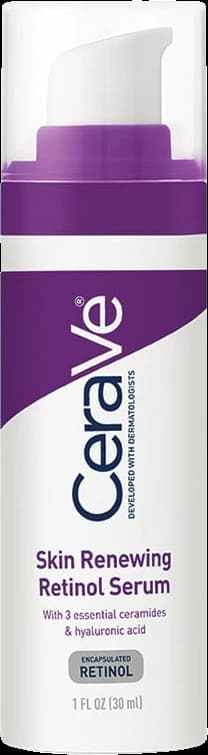
| Label fact | CeraVe Resurfacing Retinol Serum | CeraVe Skin Renewing Retinol Serum |
|---|---|---|
| CeraVe makes it for | Post-acne marks, pores and texture ("Post-Acne Skin") | Fine lines and wrinkles, all skin types ("Anti-Aging") |
| Retinol on the list | 19th of 33 | 23rd of 37 |
| Ingredients | 33 | 37 |
| Ceramides NP, AP, EOP | 10th to 12th | 11th to 13th |
| Niacinamide | 5th | 15th |
| Licorice compound | Dipotassium glycyrrhizate, 7th | Not listed |
| Glycerin | Not listed | 2nd |
| Shea butter | Not listed | 36th |
| Vitamin E (tocopherol) | Not listed | 28th |
| Hyaluronic acid | Sodium hyaluronate, 20th | Hydrolyzed hyaluronic acid, 32nd |
| Preservative (phenoxyethanol) | 23rd | 27th |
| Added fragrance | None listed | None listed |
| Alcohol (ethanol) | 24th of 33, after the preservative | 29th of 37, after the preservative |
| Directions | Carton: daily. Website: PM only | Pack: once or twice a day. Website: PM only, building up to daily |
| Bottle | Teal, 1 fl oz pump | Purple, 1 fl oz pump |
| Where to buy |
Which should you buy? For oily, combination or acne-prone skin and post-acne marks, Resurfacing: it is the one CeraVe makes for post-acne marks and pores, and it adds dipotassium glycyrrhizate. For dry, mature or sensitive skin, Skin Renewing: it adds glycerin, plus shea butter and vitamin E after the preservative (about 1% or less each), which is why it is our drugstore pick in the guide to retinol for sensitive skin. Reddit users argue about which is stronger (2024 thread); no source we found settles it.
What the label can’t tell you
- How much retinol it holds. CeraVe publishes no percentage, on the bottle, the carton or its US, UK and Canadian pages. Figures on Reddit run from 0.06% to 0.3%. Two people in one thread say CeraVe told them 0.1% or 0.06%, and others give 0.3% with no source. We could not verify any of them. Most retinoid products leave the strength off the name too; see our retinol percentage study.
- What “encapsulated” means here. The bottle says “encapsulated retinol” but CeraVe does not say how. Its MVE technology, a multivesicular emulsion (US patent 6,709,663, filed in 2001), is described on its page as encapsulating the ceramides for slow release. We found no published trial comparing encapsulated with plain retinol for irritation; the human test we found compared one encapsulated retinol with another (Shields, 2018, Duke University with EnDev Laboratories).
- What CeraVe’s own results mean. Its UK page reports a self-assessment by 50 people (75% said their tone looked more even, 83% that texture looked smoother); its Canadian page cites expert grading of 49 people at 4 weeks; its US page shows a before-and-after photo captioned as 8 weeks of twice-daily use, though the same page now says PM only. None is a published, controlled trial.
- How it will feel and work on your skin. We did not test it on skin. What people who used it say is below.
CeraVe Resurfacing Retinol Serum reviews on Reddit
We read 1,669 archived comments in 236 Reddit threads about this serum, from 2019 to 2026. In eight threads we scored by hand (one of them cross-posted), 109 verdicts from people who said they had used it split 61 positive, 31 negative and 17 mixed. Not every poster is in the US, and opinions are not evidence, but they show what to expect:
- Gentle. Most people who used it call it gentle, including one user with sensitive skin and rosacea (2024 thread).
- Slow, subtle results. Smoother texture and pores come up more than faded marks. A user of about three years said it helped pores and texture but not acne marks (2023 thread).
- Feel: mixed. Some call it moisturizing; a few found it thick or greasy, and one advises letting it dry first or it pills (2024 thread, 2023 thread). One pump covers the face, users say (step-up thread).
- Breakouts at the start, for some. Reports run from a few days to a few months, and some people stopped (2024 thread, 2021 thread, another).
- Dark marks: split. One called it the best over-the-counter retinol they had used on post-acne marks; others saw no change, and several said it is not the product for sun spots (2023 thread).
- A starting point. People who wanted more moved on to Differin (adapalene) or tretinoin (2024 thread, step-up thread).
How to use CeraVe Resurfacing Retinol Serum
- At night, on clean, dry skin. CeraVe’s US website says PM only, and the AAD advises using retinoids at night.
- A pea-sized amount for the whole face, as Cleveland Clinic suggests for any retinol.
- Every other night for the first two weeks, then build up. The carton says daily and to space out applications if it causes discomfort; the AAD says every other night at first, and Cleveland Clinic every other day for the first couple of weeks.
- Moisturizer after, or before if it dries you out. The AAD suggests moisturizing first when a retinoid is too drying.
- Keep it off the eyes and lips, as CeraVe’s directions say.
- Sunscreen every morning. Retinoids can make skin more sensitive to the sun (AAD); see our mineral sunscreen picks for sensitive skin.
- Give it 12 weeks before you judge it, and longer for dark marks.
Alternatives worth a look
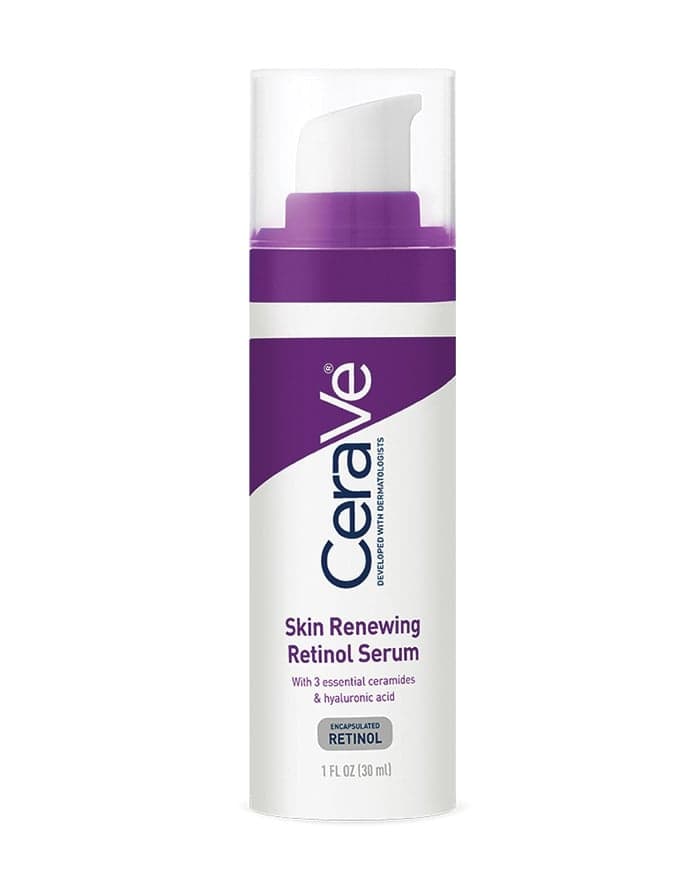
CeraVe Skin Renewing Retinol Serum
For dry or sensitive skin: the CeraVe retinol that adds glycerin, with shea butter and vitamin E further down its list. Our drugstore pick in the sensitive-skin guide.
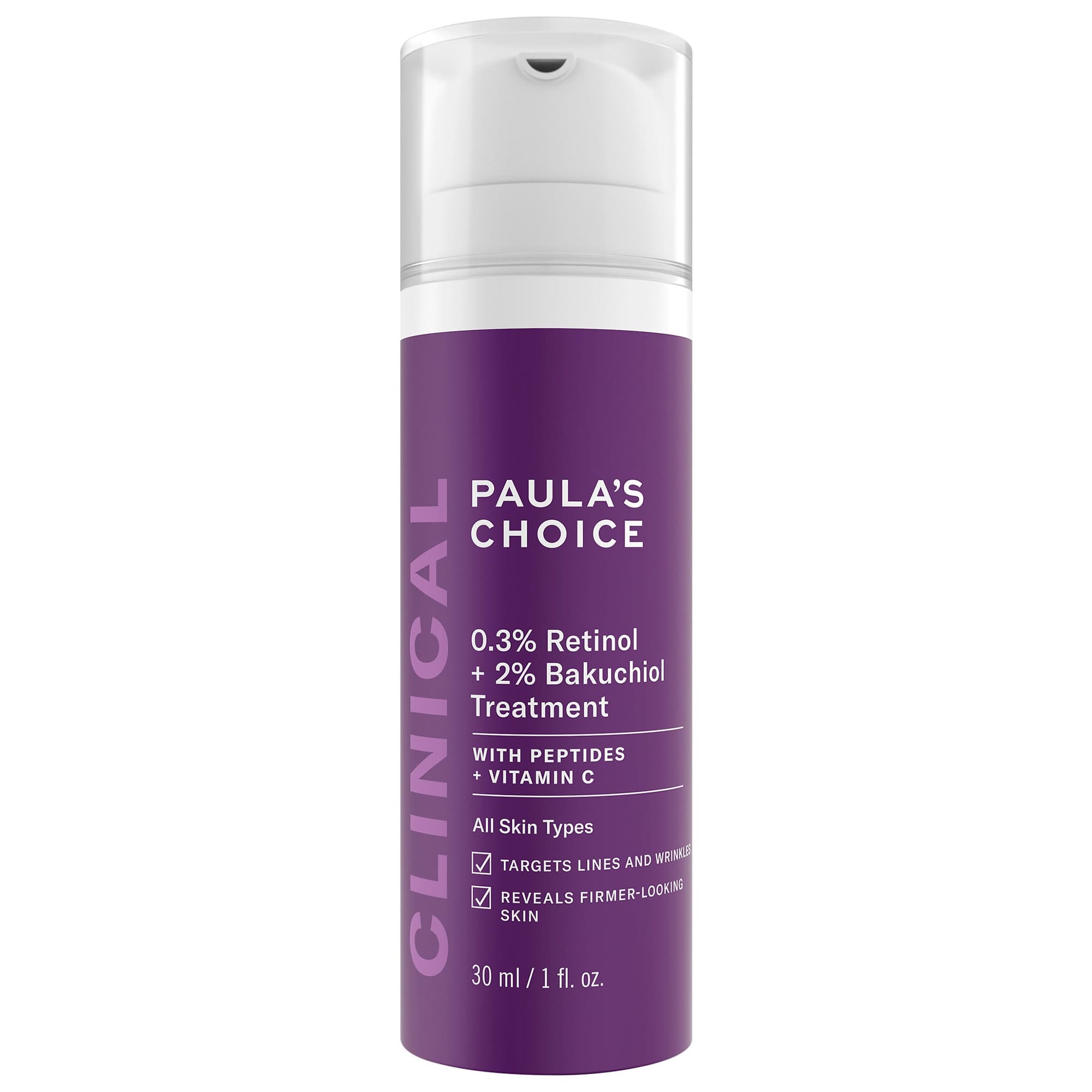
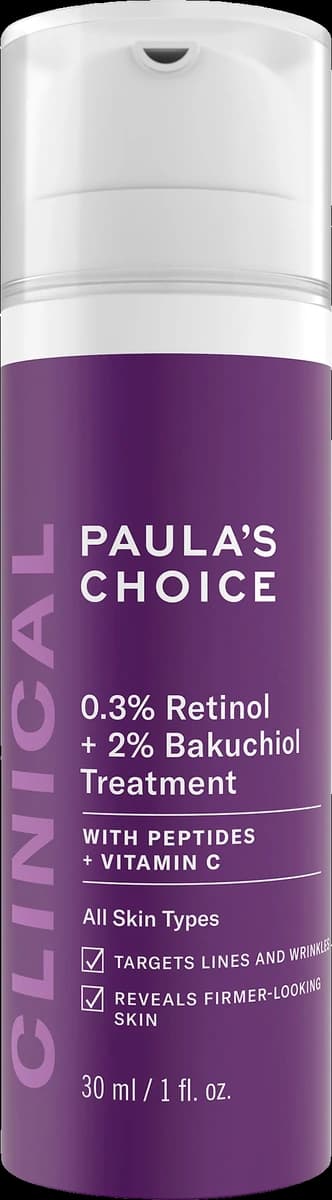
Paula's Choice Clinical 0.3% Retinol + 2% Bakuchiol Treatment
If you want to know your dose: 0.3% retinol, 2% bakuchiol, stated on the bottle, with no fragrance. Our best retinol overall.
Differin Adapalene Gel 0.1%
For acne itself: adapalene 0.1%, an over-the-counter acne drug with a Drug Facts label, and the retinoid the AAD names as available for acne without a prescription.
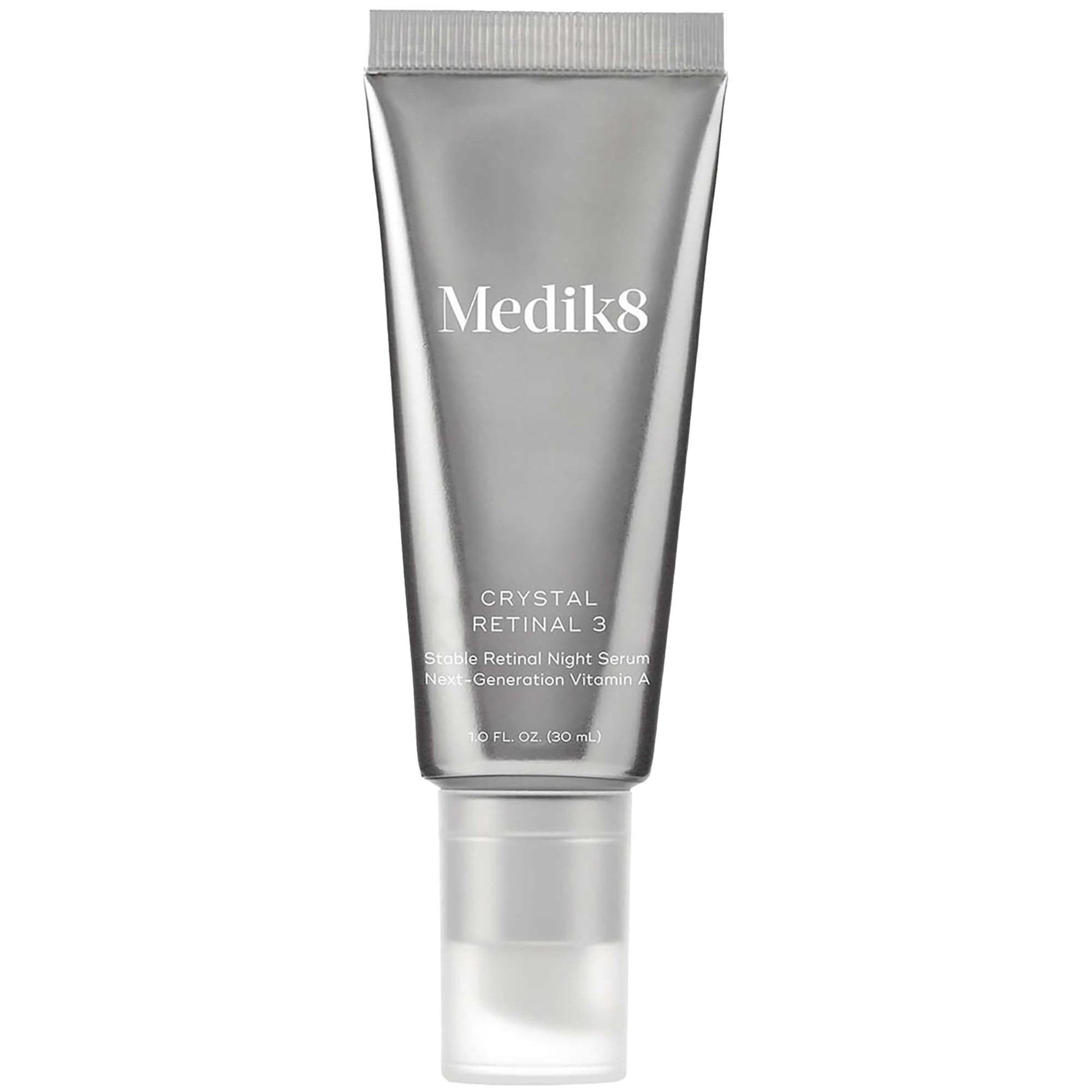
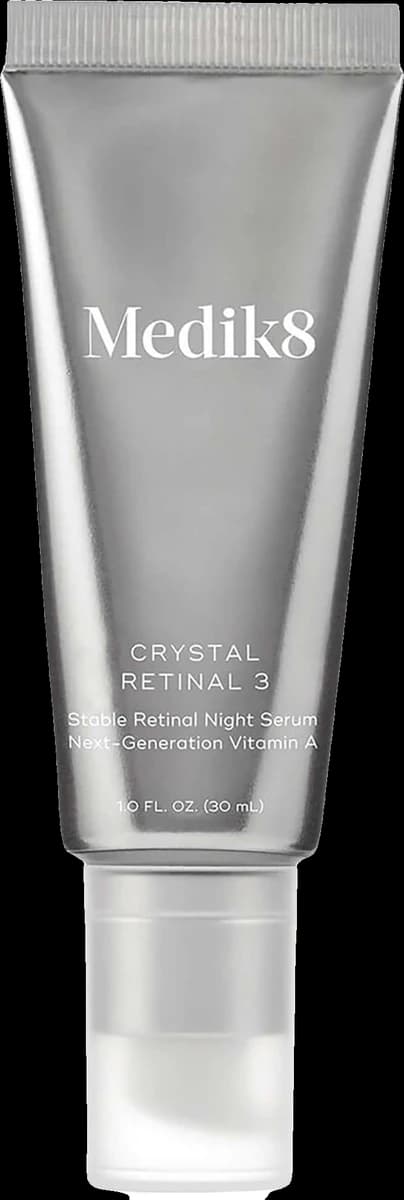
Medik8 Crystal Retinal 3
A step up: retinal, one conversion step closer to the form skin uses, in levels Medik8 states as percentages. Its list includes vanilla extract, tonka bean extract and coumarin, so skip it if you avoid fragrance. Our best retinal.
How we reviewed it, and why you can trust it
We read the US ingredient list on CeraVe’s website, checked it against the Amazon listing our button opens and Target’s photo of the printed carton, and read every archived version of CeraVe’s page since 2020, plus the UK and Canadian pages. We read the reviews that rank on Google’s first page, 1,669 Reddit comments through an archive, and the AAD, Cleveland Clinic, ACOG and published studies behind each answer.
- Every ingredient position, count and flag from today’s US list is generated from it, not typed by hand.
- Every health claim links to its source.
- CeraVe did not pay for this review or send us a product, and commission never decides what we say.
- We did not test it on skin, so there is no star rating.
Our full method explains what we check and why. For more retinol options, read our best retinol guide.
Questions people ask
Does CeraVe Resurfacing Retinol Serum really work?
It can, slowly. CeraVe calls it gentle, and many Reddit users who used it agree, though many also call its results slow, and some who wanted more moved on to adapalene or tretinoin. No published trial tests this serum: CeraVe’s figures come from its own small studies, of 49 to 50 people where it gives a number. A pooled analysis of six trials of a 0.1% retinol, with an author from Kenvue, which sells that retinol, found fine lines, brown spots and uneven tone improving more than with a plain base from week 4 through week 12.
How much retinol is in CeraVe Resurfacing Retinol Serum?
CeraVe does not say. The bottle, the carton and CeraVe’s US, UK and Canadian pages give no percentage, and it gives none for Skin Renewing either. Retinol is 19th of 33 on the list, but US labels may list anything at 1% or less in any order (21 CFR 701.3), so its place does not reveal the amount. Figures on Reddit run from 0.06% to 0.3%: two people in one thread say CeraVe told them 0.1% or 0.06%, and others give 0.3% with no source. We could not verify any of them.
What does CeraVe Resurfacing Retinol Serum do?
CeraVe makes it for post-acne skin and says it visibly reduces the look of post-acne marks and pores (CeraVe US); its Canadian page says it resurfaces the look of skin texture in 4 weeks, by expert grading of 49 people. Retinol is the active, with niacinamide, three ceramides and cholesterol around it. For fine lines and wrinkles, CeraVe sells Skin Renewing instead, though retinol trials measure those too.
How long does it take for CeraVe Resurfacing Retinol Serum to work?
Give it about three months. In the pooled trials of a 0.1% retinol, gains over a plain base showed at the first check, week 4, and held through week 12 (Farris, 2024), and Cleveland Clinic says wrinkles take several months. Dark marks are slower: the AAD says a spot a few shades darker than your skin usually fades within 6 to 12 months once its cause has stopped, so daily sunscreen matters as much as the serum.
Are there CeraVe Resurfacing Retinol Serum before and after photos?
CeraVe’s US page shows one before-and-after photo, captioned as 8 weeks of twice-daily use: CeraVe’s own picture, not a published trial. We did not test it on skin, so we have no photos of our own. Retinol trials check at 4 to 12 weeks, so take a photo before you start and compare at 12 weeks, in the same light and without makeup.
Is it okay to use CeraVe Resurfacing Retinol Serum every day?
Yes, once your skin is used to it. The US carton says to apply it daily and to space out applications if it causes discomfort. The AAD’s advice for any retinoid is every other night at first, building up slowly, and Cleveland Clinic suggests every other day for the first couple of weeks. If your skin stays calm, go nightly.
Should I use CeraVe Resurfacing Retinol Serum in the morning or at night?
At night. CeraVe’s US website has said PM only since at least January 2024, its UK page says evening only, and the AAD advises using retinoids at night because they can make skin more sensitive to the sun. The carton itself just says daily. Wear a broad-spectrum sunscreen, SPF 30 or higher, every morning.
What is the difference between CeraVe's Resurfacing and Skin Renewing retinol serums?
Both are fragrance-free 1 oz pump serums with retinol, three ceramides, niacinamide and cholesterol, and neither states a strength. Resurfacing (the teal bottle) is CeraVe’s serum for post-acne marks and pores, and adds dipotassium glycyrrhizate, a licorice-derived compound that calmed inflammation in animal studies. Skin Renewing (the purple bottle) is CeraVe’s anti-aging serum: it adds glycerin, 2nd on its list, plus shea butter and vitamin E after the preservative, and lists retinol 23rd of 37. The side-by-side above has both labels.
Which CeraVe retinol serum is best?
Resurfacing for oily, combination or acne-prone skin and post-acne marks. Skin Renewing for dry or sensitive skin, which is why it is our drugstore pick in the guide to retinol for sensitive skin. Neither is stronger on paper, since CeraVe gives no strength for either.
Is CeraVe Resurfacing Retinol Serum good for sensitive skin?
CeraVe’s UK page calls it suitable for sensitive skin, its list has no fragrance, and many Reddit users with sensitive skin call it gentle, though some found it drying. Start every other night. For dry or reactive skin, look at Skin Renewing, our drugstore pick for sensitive skin.
Does CeraVe Resurfacing Retinol Serum cause purging?
Some people report it. On Reddit (2024 thread, 2021 thread), breakouts after starting it come up often, lasting from a few days to a few months, and some users stopped. The evidence for a retinol purge is thin: Cleveland Clinic mentions one, and the adapalene label warns acne may look worse before it improves, but we found no trial of an over-the-counter retinol that measured one. If your skin burns, swells or keeps getting worse, stop and ask a dermatologist.
What are the side effects of CeraVe Resurfacing Retinol Serum?
The usual retinol ones: dryness, redness, peeling, itching or burning, and easier sunburn, which Cleveland Clinic says usually ease as skin adjusts. On darker skin, irritation can leave dark marks, which is why the AAD says to start slowly and moisturize. A minority of Reddit users report breakouts or a rash after the first uses.
Does CeraVe Resurfacing Retinol Serum help acne scars and dark spots?
It may help post-acne dark marks, slowly; it is unlikely to fill in deep, sunken scars. CeraVe claims to reduce the look of post-acne marks, not scars. The AAD lists retinoids among the options for dark spots and for making mild scars less noticeable, but we found no trial of an over-the-counter retinol alone on post-acne marks. Deeper scars need treatment from a dermatologist.
Can I use CeraVe Resurfacing Retinol Serum with vitamin C, niacinamide or benzoyl peroxide?
Yes, at different times of day. Cleveland Clinic suggests vitamin C in the morning and retinol at night. Niacinamide is already in this serum, and Cleveland Clinic says it may help offset retinol irritation. Benzoyl peroxide broke down tretinoin when the two were mixed under light in a lab test by Galderma, which makes adapalene (Martin, 1998), and we found no such test for retinol. In a 12-week study by Johnson & Johnson, people used 2.5% benzoyl peroxide in the morning and a retinol at night without a rise in irritation (Kosmoski, 2022), so the cautious habit is benzoyl peroxide in the morning and this serum at night. Leave exfoliating acids off the same night while your skin adjusts; our guide to mixing ingredients covers the rest.
Can I use CeraVe Resurfacing Retinol Serum while pregnant or breastfeeding?
Not while pregnant: the AAD advises avoiding retinol and other retinoids during pregnancy, and the American College of Obstetricians and Gynecologists says avoiding topical retinoids is generally recommended. For breastfeeding, Cleveland Clinic calls the risk low but says to keep it off the breasts and away from the baby’s skin. Ask your doctor; azelaic acid is one of the acne ingredients ACOG lists as an option in pregnancy.
Is the UK CeraVe Resurfacing Retinol Serum the same as the US one?
The ingredients are: CeraVe’s UK and Canadian pages list the same 33 ingredients in the same order as the US page. The directions differ: the US carton says to apply it daily, while the UK page says evening only, starting once a week. Reviews written in the UK cover the same formula but quote UK prices and, often, the UK directions.
Is CeraVe Resurfacing Retinol Serum fragrance-free and non-comedogenic?
Its list has no fragrance and no scented plant extracts, and CeraVe calls it free of added fragrance, paraben-free and non-comedogenic. Non-comedogenic is CeraVe’s own claim.
Can I use CeraVe Resurfacing Retinol Serum around my eyes?
CeraVe’s directions say to avoid contact with the eyes and lips. For the under-eye area, use a retinol made for it; our guide to retinol eye creams has picks.
Which retinol is stronger than CeraVe?
CeraVe gives no strength, so you cannot compare it on paper. People who want more step up to a retinol with a stated strength, such as Paula’s Choice’s 1% retinol; to retinal, one conversion step closer to the form skin uses; or to adapalene 0.1% (Differin), an over-the-counter acne drug. Prescription tretinoin is stronger again.
Do dermatologists recommend CeraVe Resurfacing Retinol Serum?
CeraVe’s US page calls CeraVe the “#1 dermatologist recommended acne brand”, citing an IQVIA survey with data to October 2023: a claim about the brand, not a test of this serum. For any retinoid, the AAD advises starting slowly, using it at night and wearing sunscreen.
Is the CeraVe Resurfacing Retinol Serum on Amazon real?
Worries about fakes come up on Reddit, over cap colors, yellowing and lot printing, and in one case a third-party Amazon seller. Buy from a listing sold by Amazon.com or by a large retailer, and check that the barcode on the carton reads 3606000512276, the number on CeraVe’s site.
Sources
- CeraVe: Resurfacing Retinol Serum (US product page)
- CeraVe: Resurfacing Retinol Serum, archived US page (June 2020)
- Target: CeraVe Resurfacing Retinol Serum, photo of the back of the US carton
- CeraVe UK: Resurfacing Retinol Serum
- CeraVe Canada: Resurfacing Retinol Serum
- CeraVe: Skin Renewing Retinol Serum (US product page)
- US Patent 6,709,663: Multivesicular emulsion drug delivery systems (Google Patents)
- 21 CFR 701.3: order of ingredients on cosmetic labels (the 1% rule)
- Scientific Committee on Consumer Safety: Opinion on phenoxyethanol (2016)
- Commission Regulation (EU) 2024/996: vitamin A limits in cosmetics
- Cosmetic Ingredient Review Expert Panel: Final report on the safety assessment of glycyrrhizic acid and its salts, including dipotassium glycyrrhizate, International Journal of Toxicology (2007)
- Leite et al.: Dipotassium glycyrrhizininate improves skin wound healing by modulating inflammatory process, International Journal of Molecular Sciences (2023)
- Yokota et al. (Kanebo): The inhibitory effect of glabridin from licorice extracts on melanogenesis and inflammation, Pigment Cell Research (1998)
- Hakozaki et al. (Procter & Gamble): The effect of niacinamide on reducing cutaneous pigmentation and suppression of melanosome transfer, British Journal of Dermatology (2002)
- Man et al.: Optimization of physiological lipid mixtures for barrier repair, Journal of Investigative Dermatology (1996)
- Farris et al.: Efficacy and tolerability of topical 0.1% stabilized bioactive retinol for photoaging, a vehicle-controlled integrated analysis, Journal of Drugs in Dermatology (2024)
- Shields et al.: Encapsulation and controlled release of retinol from silicone particles for topical delivery, Journal of Controlled Release (2018)
- Martin et al. (Galderma): Chemical stability of adapalene and tretinoin when combined with benzoyl peroxide in presence and in absence of visible light and ultraviolet radiation, British Journal of Dermatology (1998)
- Kosmoski et al. (Johnson & Johnson): A topical combination regimen of benzoyl peroxide and retinol moisturizer for mild to moderate acne, Journal of Drugs in Dermatology (2022)
- American Academy of Dermatology: Retinoid or retinol?
- American Academy of Dermatology: Skin care in your 20s
- American Academy of Dermatology: How to fade dark spots in darker skin tones
- American Academy of Dermatology: Acne scars: Consultation and treatment
- American Academy of Dermatology: Pregnancy skin care
- American College of Obstetricians and Gynecologists: Skin conditions during pregnancy
- Cleveland Clinic: Retinol
- DailyMed: Differin Gel (adapalene gel 0.1%) Drug Facts label
- Reddit, r/SkincareAddiction: "Is the CeraVe resurfacing retinol serum worth it? Does it work?" (2021)
- Reddit, r/SkincareAddicts: "What are your thoughts on the Cerave retinol serum?" (2024)
- Reddit, r/SkincareAddiction: "Does anybody have experience with this CeraVe retinol serum? Is it good for removing sun/dark spots?" (2023)
- Reddit, r/SkincareAddiction: "Cerave Retinol Resurfacing Serum" (2021)
- Reddit, r/30PlusSkinCare: "What would be a step-up from Cerave Resurfacing Retinol Serum?" (2023)
- Reddit, r/SkincareAddiction: "CeraVe Resurfacing Retinol Serum Retinol Percentage" (2022)
- Reddit, r/SkincareAddicts: "Is my cerave retinol serum real or fake? Need answers pls" (2024)
Written by Avina Picks. Not clinically reviewed, and not a treatment plan: ask a dermatologist about a skin condition, a prescription, pregnancy or breastfeeding.
A retinoid works on the nights you use it
Avina keeps your morning and evening routines with your real products, and records the nights you did them, so a slow start with a retinoid stays on track.

More from Avina Picks
- Retinol
The Best Retinol Serums and Creams
Start with a disclosed low strength and a fragrance-free formula. Our pick for most people is Paula's Choice 0.3% Retinol; on a budget, CeraVe's Resurfacing Retinol Serum.Updated - Sensitive skin
The Best Retinol for Sensitive Skin
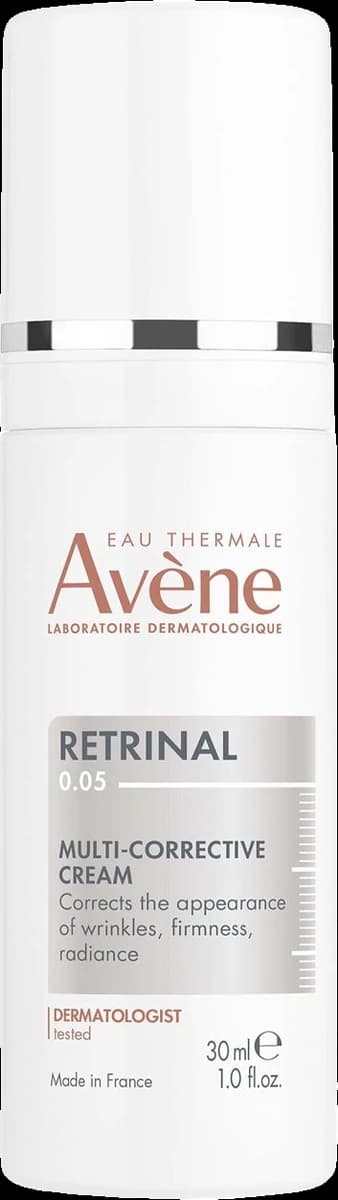
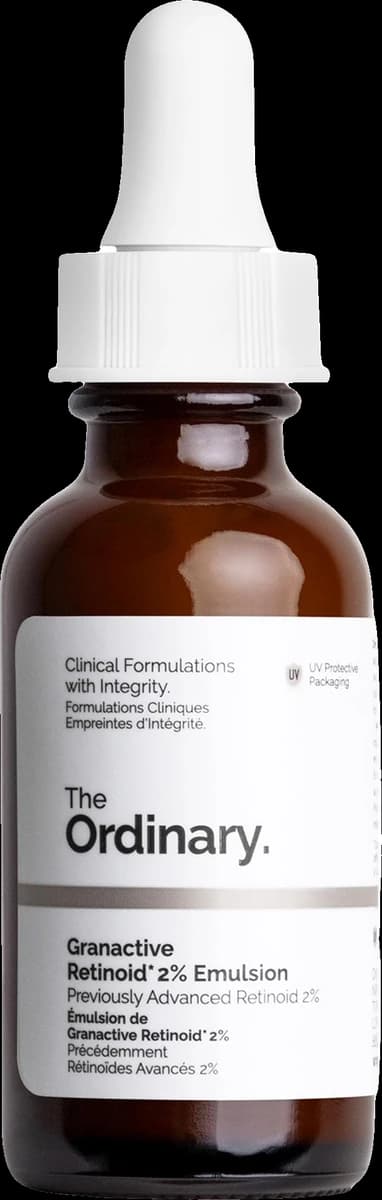
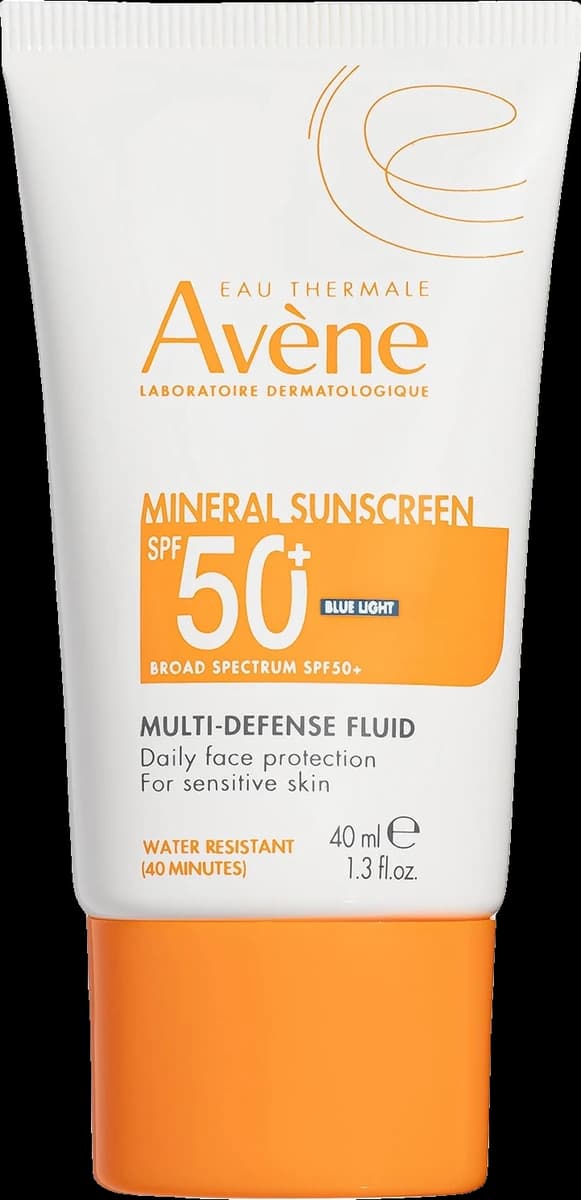
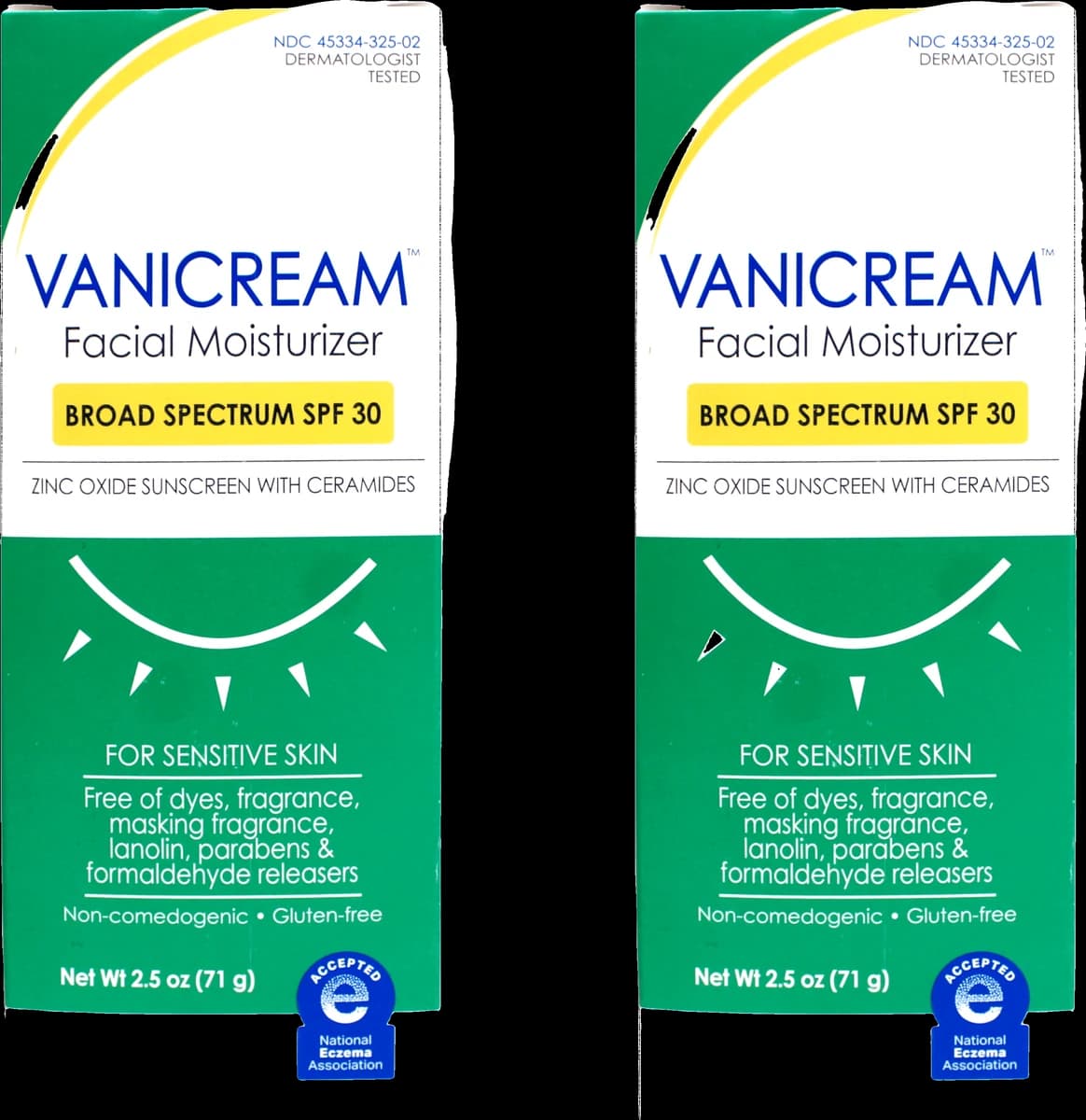
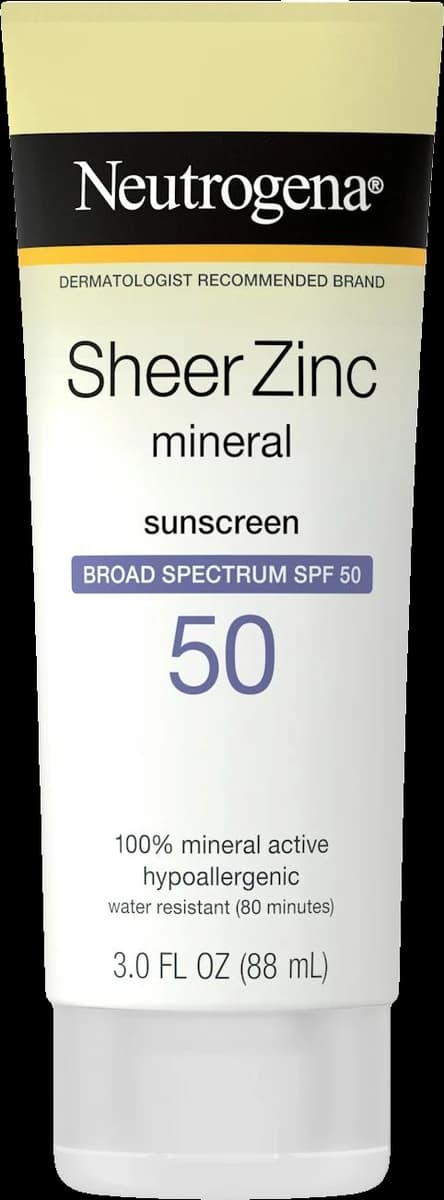
Go low and go fragrance-free. Avène's RetrinAL 0.05 cream is our pick for most sensitive skin; The Ordinary's Granactive Retinoid 2% Emulsion is the budget start.Updated - Mineral sunscreen
The Best Mineral Sunscreens
Avène's Mineral Multi-Defense Fluid is our pick: zinc oxide alone, SPF 50+ and no added fragrance. For sensitive skin, Vanicream's SPF 30 moisturizer; at the drugstore, Neutrogena Sheer Zinc.Updated