Avina Picks
The Best Sunscreens for Sensitive Skin
Vanicream Facial Moisturizer SPF 30 is our pick: zinc oxide alone, no fragrance and no plant extracts. For rosacea-prone skin, Tower 28's SOS FaceGuard, which holds both the eczema and the rosacea seal; for SPF 50, Cetaphil's Sheer Mineral Face Drops.
Our top picks
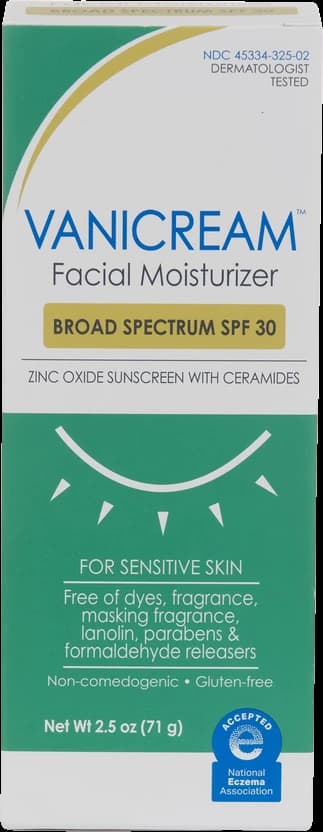 Best overallVanicream Facial Moisturizer SPF 30
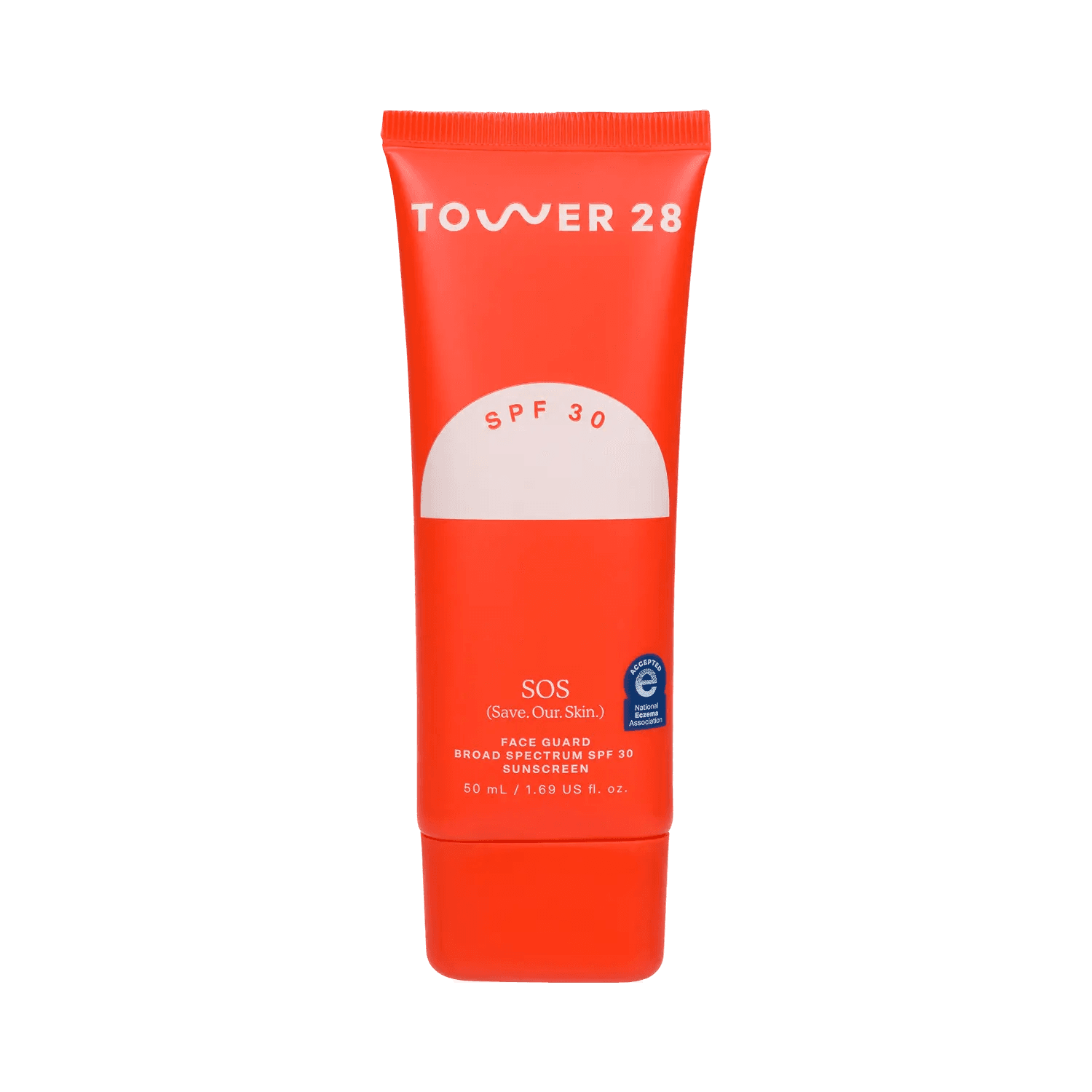
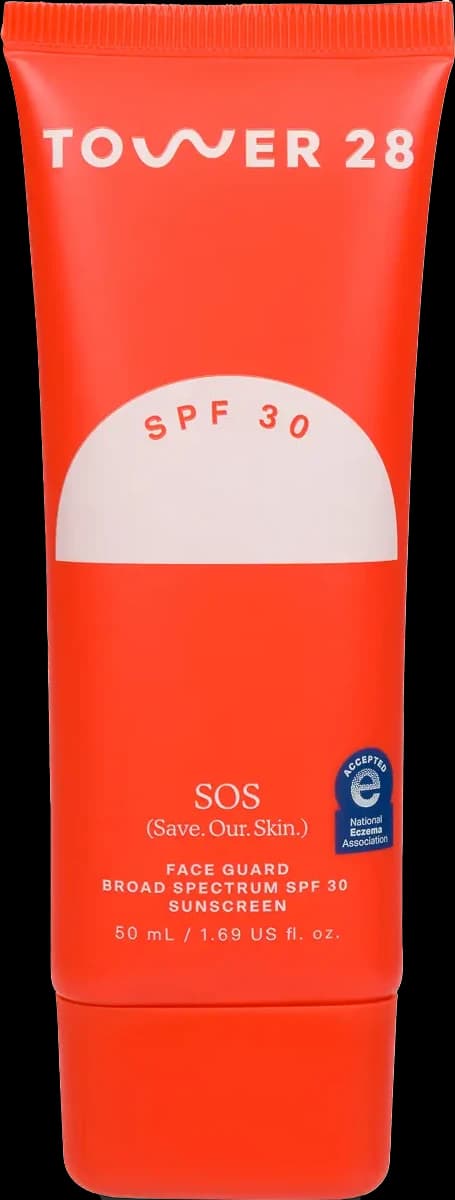 Best sunscreen for rosacea-prone skinTower 28 SOS FaceGuard SPF 30
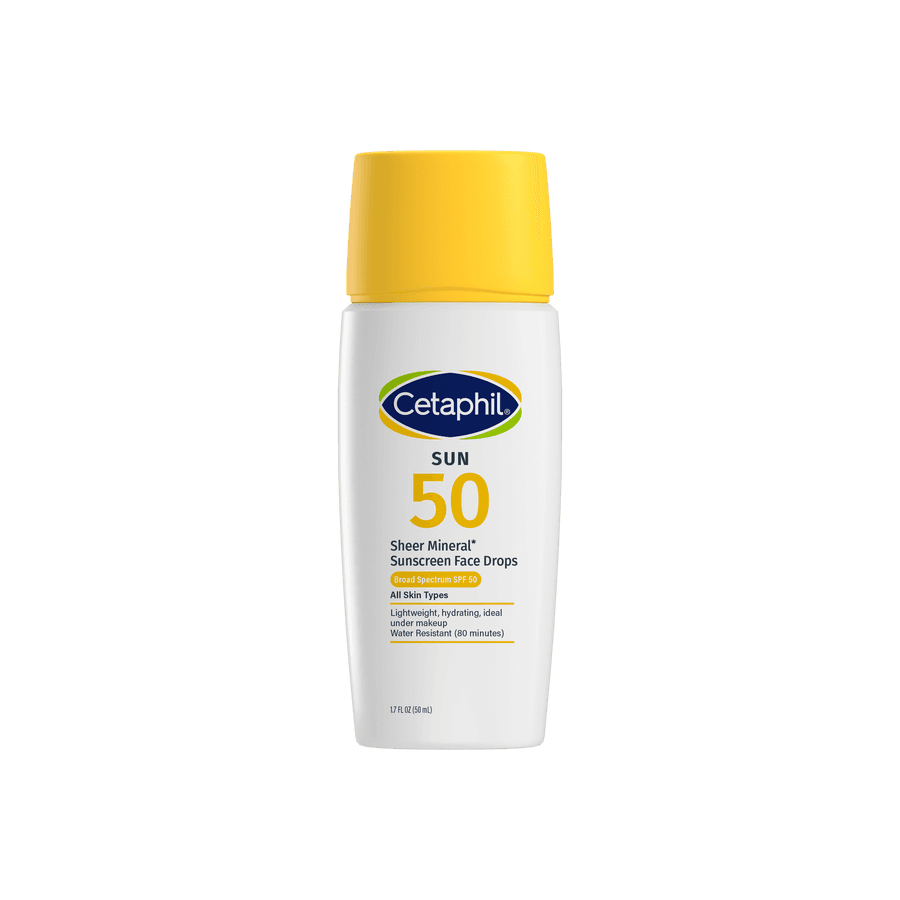
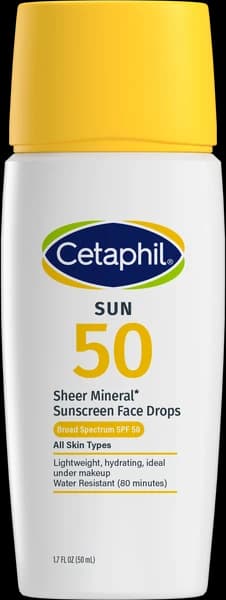 Best SPF 50 sunscreen for sensitive skinCetaphil Sheer Mineral Sunscreen Face Drops SPF 50
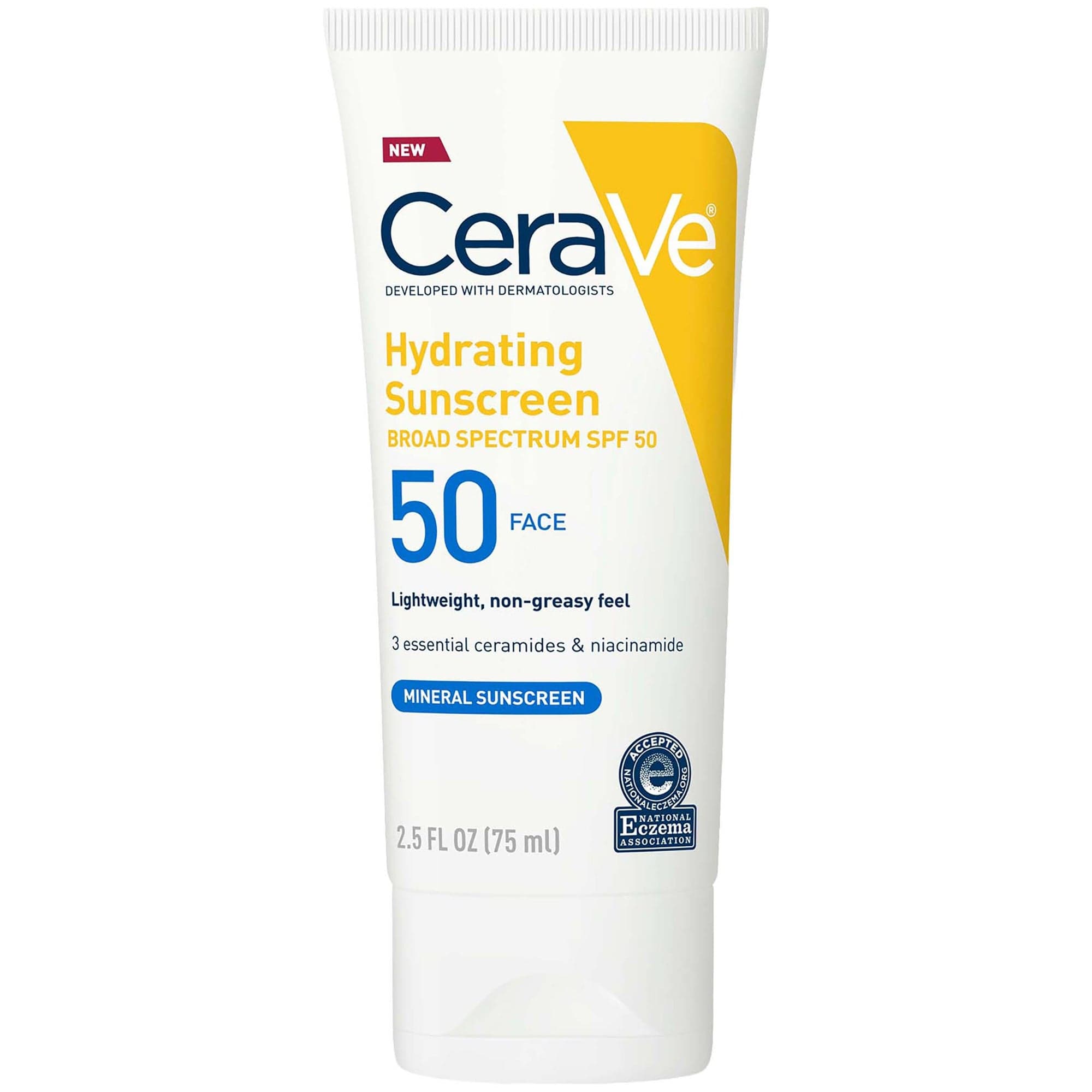
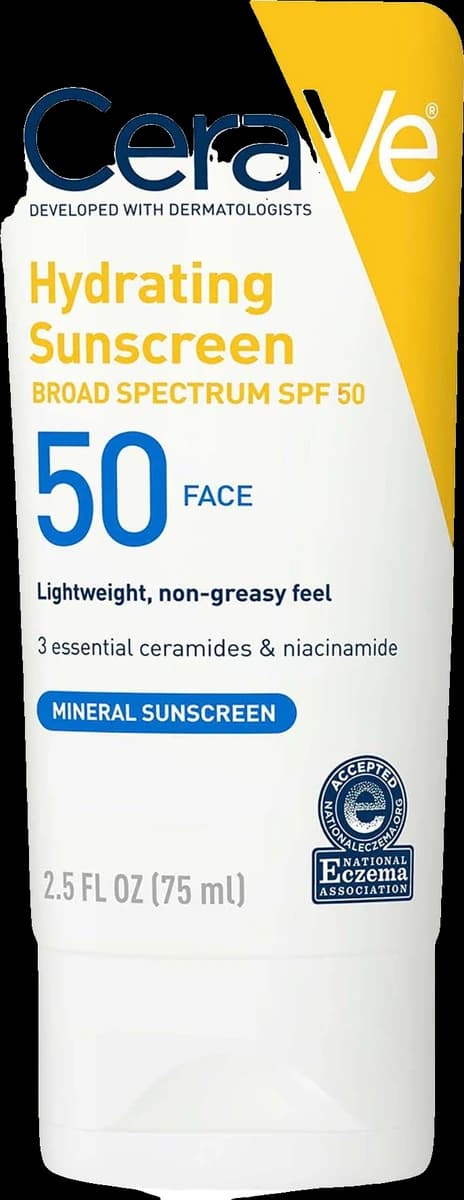 Best drugstore sunscreen for dry, sensitive skinCeraVe Hydrating Mineral Sunscreen SPF 50 Face Lotion
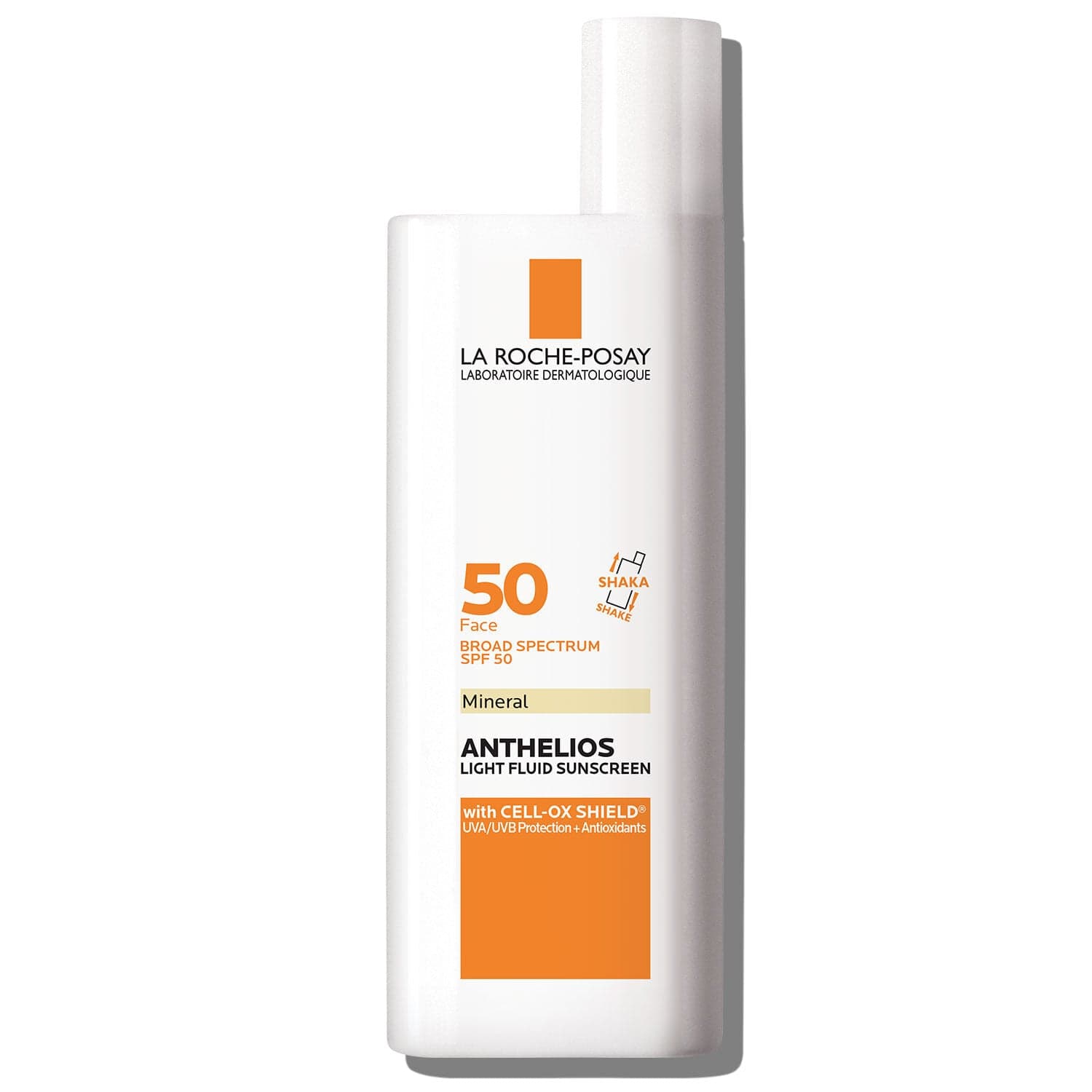
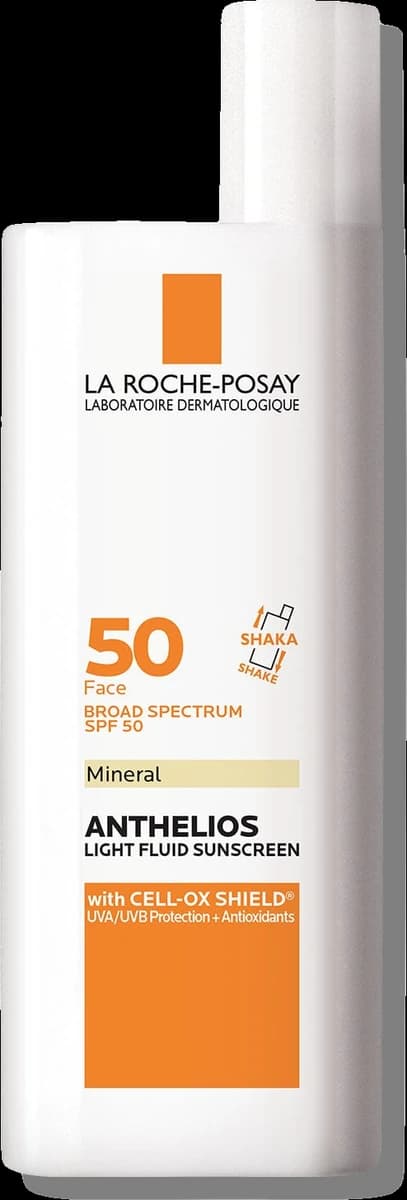 Best sunscreen for oily, sensitive skinLa Roche-Posay Anthelios Mineral Zinc Oxide Sunscreen SPF 50
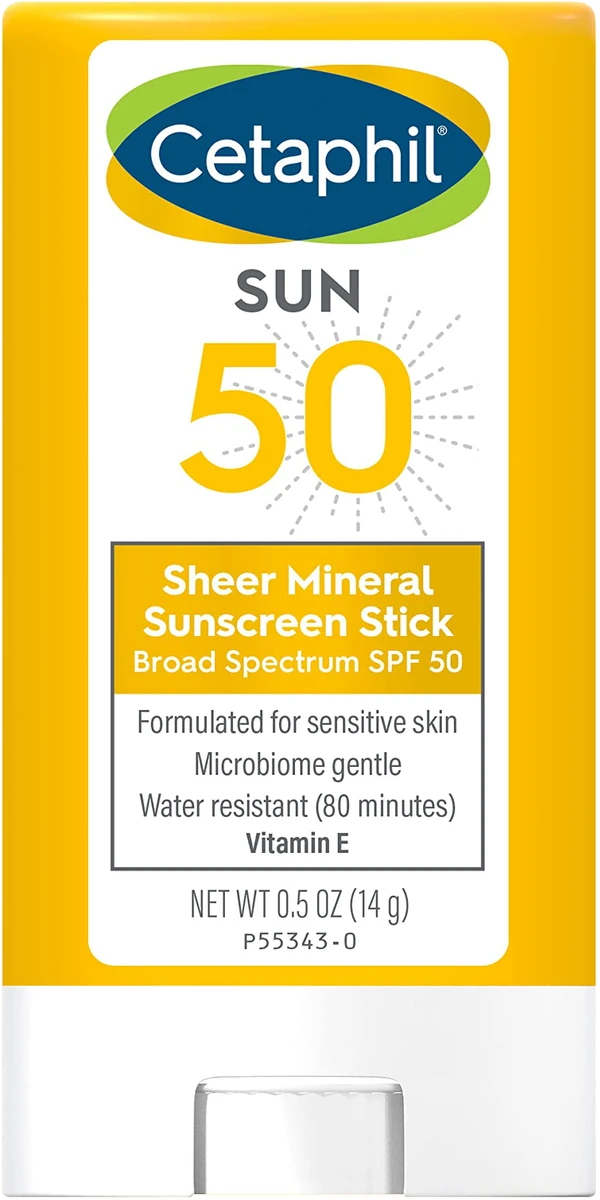 Best sunscreen stick for around the eyesCetaphil Sheer Mineral Sunscreen Stick SPF 50
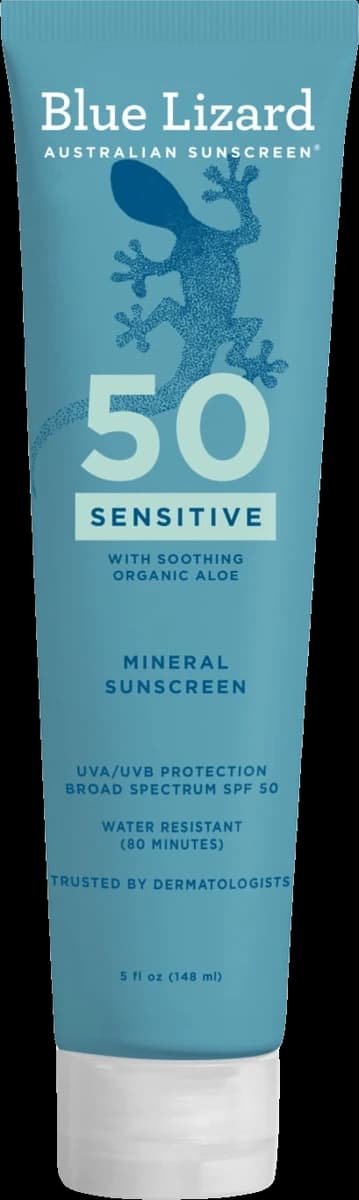 Best face and body sunscreen for sensitive skinBlue Lizard Sensitive Mineral Sunscreen SPF 50
The short answer
- The best sunscreen for most sensitive skin is Vanicream Facial Moisturizer SPF 30: zinc oxide alone, no fragrance, and the National Eczema Association’s seal.
- For rosacea, Tower 28 SOS FaceGuard SPF 30; for SPF 50 and water, Cetaphil Sheer Mineral Sunscreen Face Drops SPF 50.
- On the label, look for zinc oxide or titanium dioxide only, “fragrance free” rather than “unscented”, and no oxybenzone.
- “Sensitive” in the name is no guarantee: in our catalog, 43 of 56 sunscreens with it, most of them sold in the UK and Europe, list a chemical filter.
- Around the eyes, use a stick, and patch test a new sunscreen for 7 to 10 days.
How we chose: we read the guides Google ranks for “best sunscreen for sensitive skin” and its close variants, 19 Reddit threads from people with sensitive, rosacea- and eczema-prone skin, the AAD’s advice and the allergy studies, then the current US Drug Facts of 28 sunscreens on DailyMed. We kept mineral filters only, no fragrance or drying alcohol, and SPF 30 or more, and checked each one in the eczema and rosacea seal directories. We did not test them on skin. Our method
sunscreens in Avina’s catalog with “sensitive” in the name, most of them UK and European lines, list a chemical filter, and 15 list fragrance. In the US, the FDA does not define “sensitive skin” on a sunscreen (AAD), so the word on the front is a brand’s choice; the Drug Facts box is what counts.
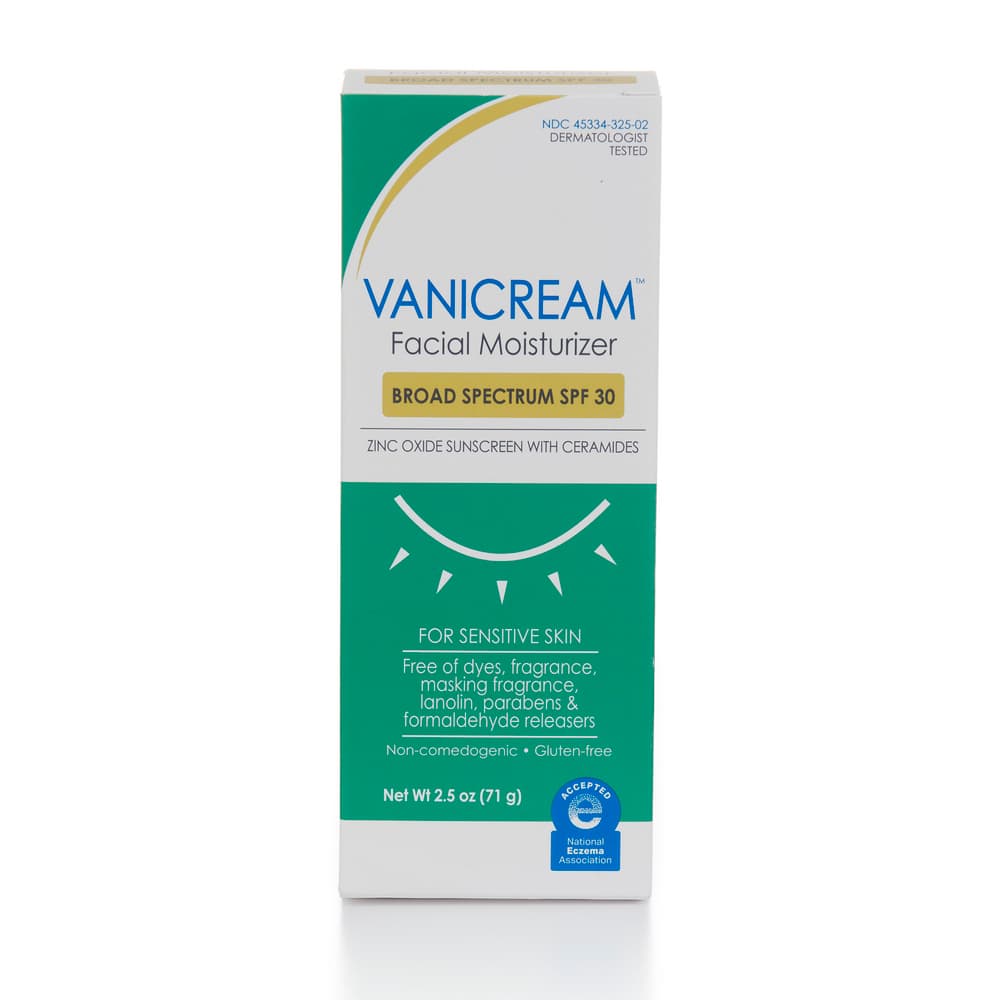
Best overall: Vanicream Facial Moisturizer SPF 30
19.5% zinc oxide as the only active ingredient, SPF 30, in a moisturizer with five ceramides and squalane. No fragrance and no drying alcohol, and it carries the National Eczema Association Seal.
- Mineral only
- SPF 30
- Untinted
- No added fragrance
Good for: Vanicream Facial Moisturizer SPF 30
- Sensitive, reactive and eczema-prone skin
- Sunscreen and moisturizer in one morning step
- Normal to dry skin
Skip it if: Vanicream Facial Moisturizer SPF 30
- You swim or sweat: it is not water resistant
- You want SPF 50
- Zinc white cast shows on your skin tone
Label facts for Vanicream Facial Moisturizer SPF 30
- UV filters
- Zinc oxide 19.5%
- Filter type
- Mineral only
- SPF
- 30, as the name states
- Tint
- Untinted
- Water resistant
- No
- Added fragrance
- None listed
- Drying alcohol
- None listed
- Supporting
- Ceramides, glycerin and squalane
- Cruelty-free certified
- No
Read from the US Drug Facts label on DailyMed on October 10, 2026. US sunscreens print each UV filter’s percentage; their other ingredients may be listed alphabetically, so these label facts report only whether something is there. Formulas change; check your box. Cruelty-free certification: the Leaping Bunny and Cruelty Free International directories on October 10, 2026.
Why we picked it: Vanicream Facial Moisturizer SPF 30
Among our picks, only the stick has a shorter list: 25 inactive ingredients, no plant extracts, two preservatives (caprylyl glycol and 1,2-hexanediol) and no parabens, isothiazolinones or phenoxyethanol. The carton says it is free of dyes, fragrance, masking fragrance, lanolin, parabens and formaldehyde releasers, and the National Eczema Association accepts it, which rules out fragrance and a list of known skin allergens.
Allure’s guide (April 2026) lists it as tinted and water resistant for 40 minutes. Its US label lists no pigment, and its directions say to use a water-resistant sunscreen if you swim or sweat. Its ceramides are the same five as in Vanicream’s Daily Facial Moisturizer, which our review reads in full.
Flaws but not dealbreakers: Vanicream Facial Moisturizer SPF 30
- Not water resistant on its US label, though Vanicream's website says it passed a 40-minute test.
- SPF 30, the minimum the AAD advises.
- A lot of zinc oxide: expect some white cast.
Vanicream Facial Moisturizer SPF 30
Vanicream Facial Moisturizer SPF 30 ingredients (full list of 25, UV filters marked)
Active ingredients: Zinc oxide 19.5%
Inactive ingredients: water, C12-15 alkyl benzoate, isopentyldiol, squalane, glycerin, coco-caprylate/caprate, bis-octyldodecyl dimer dilinoleate/propanediol copolymer, glyceryl stearate, PEG-100 stearate, polyhydroxystearic acid, cetearyl alcohol, sucrose stearate, ceramide EOP, ceramide NG, ceramide NP, ceramide AS, ceramide AP, carnosine, phytosterols, hydrogenated lecithin, dimethicone, triethoxycaprylylsilane, polyacrylate crosspolymer-11, caprylyl glycol, 1,2-hexanediol
As printed on the US Drug Facts label on DailyMed on October 10, 2026. The list printed on your box is the one that counts.
Best sunscreen for rosacea-prone skin: Tower 28 SOS FaceGuard SPF 30
12.5% zinc oxide, SPF 30, with a light tint, three ceramides and squalane. No fragrance and no drying alcohol; it holds both the eczema and the rosacea seal.
- Mineral only
- SPF 30
- Tinted
- No added fragrance
Good for: Tower 28 SOS FaceGuard SPF 30
- Rosacea and redness-prone skin
- Eczema-prone skin
- A sheer tint instead of makeup
Skip it if: Tower 28 SOS FaceGuard SPF 30
- You swim or sweat: it is not water resistant
- You want SPF 50
- You want no tint at all
Label facts for Tower 28 SOS FaceGuard SPF 30
- UV filters
- Zinc oxide 12.5%
- Filter type
- Mineral only
- SPF
- 30, as the name states
- Tint
- Tinted (iron oxides)
- Water resistant
- No
- Added fragrance
- None listed
- Drying alcohol
- None listed
- Supporting
- Ceramides, glycerin, squalane, bisabolol, allantoin and cholesterol
- Cruelty-free certified
- No
Read from the US Drug Facts label on DailyMed on October 10, 2026. US sunscreens print each UV filter’s percentage; their other ingredients may be listed alphabetically, so these label facts report only whether something is there. Formulas change; check your box. Cruelty-free certification: the Leaping Bunny and Cruelty Free International directories on October 10, 2026.
Why we picked it: Tower 28 SOS FaceGuard SPF 30
The National Rosacea Society lists three sunscreens, and this is one of them: its seal needs a patch test for irritation and allergy, a use test on at least 30 people with rosacea, and a review by three dermatologists. The National Eczema Association accepts it too. The label backs it up: zinc oxide is the only active ingredient, the iron oxides give it a light tint, and the base carries ceramides, cholesterol and squalane with no plant extracts.
Tower 28’s website tags it water-proof or water-resistant. Its US Drug Facts claim neither, and say to use a water-resistant sunscreen if you swim or sweat; go by the label.
Flaws but not dealbreakers: Tower 28 SOS FaceGuard SPF 30
- Not water resistant, whatever the product tags say.
- One universal tint.
- SPF 30, the minimum the AAD advises.
Tower 28 SOS FaceGuard SPF 30
Tower 28 SOS FaceGuard SPF 30 ingredients (full list of 40, UV filters marked)
Active ingredients: Zinc oxide 12.5%
Inactive ingredients: Allantoin, Bisabolol, Butyloctyl Salicylate, C12-15 Alkyl Benzoate, Caprylic/Capric Triglyceride, Capryloyl Glycerin/Sebacic Acid Copolymer, Carbomer, Ceramide AP, Ceramide EOP, Ceramide NP, Cetearyl Alcohol, Cetyl Palmitate, Cholesterol, Citric Acid, Diisopropyl Sebacate, Ethylhexyl Methoxycrylene, Ethylhexylglycerin, Garcinia Indica Seed Butter, Glycerin, Hydroxyethyl Acrylate/Sodium Acryloyldimethyl Taurate Copolymer, Iron Oxides (CI 77491, CI 77492, CI 77499), Isodecyl Neopentanoate, Lauryl Lactate, Phenoxyethanol, Phytosphingosine, Polyhydroxystearic Acid, Polysorbate 60, Potassium Cetyl Phosphate, Sodium Hyaluronate, Sodium Hydroxide, Sodium Lauroyl Lactylate, Sorbitan Isostearate, Sorbitan Olivate, Sorbitan Palmitate, Squalane, Tetrasodium Glutamate Diacetate, Tocopherol, Triethoxycaprylylsilane, Water/Aqua/Eau, Xanthan Gum
As printed on the US Drug Facts label on DailyMed on October 10, 2026. The list printed on your box is the one that counts.
Best SPF 50 sunscreen for sensitive skin: Cetaphil Sheer Mineral Sunscreen Face Drops SPF 50
12% zinc oxide, SPF 50, water resistant for 80 minutes, in a thin liquid with niacinamide and bisabolol. No fragrance and no drying alcohol; National Eczema Association Seal.
- Mineral only
- SPF 50
- Untinted
- No added fragrance
Good for: Cetaphil Sheer Mineral Sunscreen Face Drops SPF 50
- Outdoor days, sweat and swimming
- Oily and combination skin
- Under makeup
Skip it if: Cetaphil Sheer Mineral Sunscreen Face Drops SPF 50
- Niacinamide bothers your skin
- Very dry skin
- You avoid silicones: it lists several
Label facts for Cetaphil Sheer Mineral Sunscreen Face Drops SPF 50
- UV filters
- Zinc oxide 12%
- Filter type
- Mineral only
- SPF
- 50, as the name states
- Tint
- Untinted
- Water resistant
- 80 minutes, as the label states
- Added fragrance
- None listed
- Drying alcohol
- None listed
- Supporting
- Niacinamide, bisabolol, allantoin and vitamin E
- Cruelty-free certified
- No
Read from the US Drug Facts label on DailyMed on October 10, 2026. US sunscreens print each UV filter’s percentage; their other ingredients may be listed alphabetically, so these label facts report only whether something is there. Formulas change; check your box. Cruelty-free certification: the Leaping Bunny and Cruelty Free International directories on October 10, 2026.
Why we picked it: Cetaphil Sheer Mineral Sunscreen Face Drops SPF 50
It pairs SPF 50 with 80 minutes of water resistance and the eczema seal, which only our stick pick also does. Its Drug Facts box lists zinc oxide alone; the inactive list is alphabetical, as the federal rule requires for an over-the-counter drug that is not also sold as a cosmetic (21 CFR 201.66), so it shows what is inside but not how much.
One oddity: Cetaphil’s website writes “Sheer Mineral*”, with the footnote “contains other sunscreen actives/filters”, and puts the same asterisk on the stick. The US Drug Facts list no other active ingredient. DailyMed still calls it Face Liquid; Cetaphil now sells it as Face Drops, with the same ingredients.
Flaws but not dealbreakers: Cetaphil Sheer Mineral Sunscreen Face Drops SPF 50
- Niacinamide is on the list; a few people with sensitive skin say it bothers them.
- Several silicones.
- The website's asterisk on “Mineral” is confusing; the label is clear.
Cetaphil Sheer Mineral Sunscreen Face Drops SPF 50
Cetaphil Sheer Mineral Sunscreen Face Drops SPF 50 ingredients (full list of 25, UV filters marked)
Active ingredients: Zinc Oxide 12%
Inactive ingredients: Allantoin, Bisabolol, Butyloctyl Salicylate, C12-15 Alkyl Benzoate, Caprylyl Glycol, Caprylyl Methicone, Dimethicone, Dimethiconol/Propylsilsesquioxane/Silicate Crosspolymer, Ethylhexylglycerin, Hexylene Glycol, Isododecane, Lauryl PEG-10 Tris(Trimethylsiloxy)silylethyl Dimethicone, Lauryl PEG-8 Dimethicone, Niacinamide, Octyldodecyl Neopentanoate, PEG-10, Phenoxyethanol, Polymethylsilsesquioxane, Propanediol, Sodium Chloride, Sodium Hydroxide, Tetrasodium Glutamate Diacetate, Tocopherol (Vitamin E), Trilaureth-4 Phosphate, Water
As printed on the US Drug Facts label on DailyMed on October 10, 2026. The list printed on your box is the one that counts.
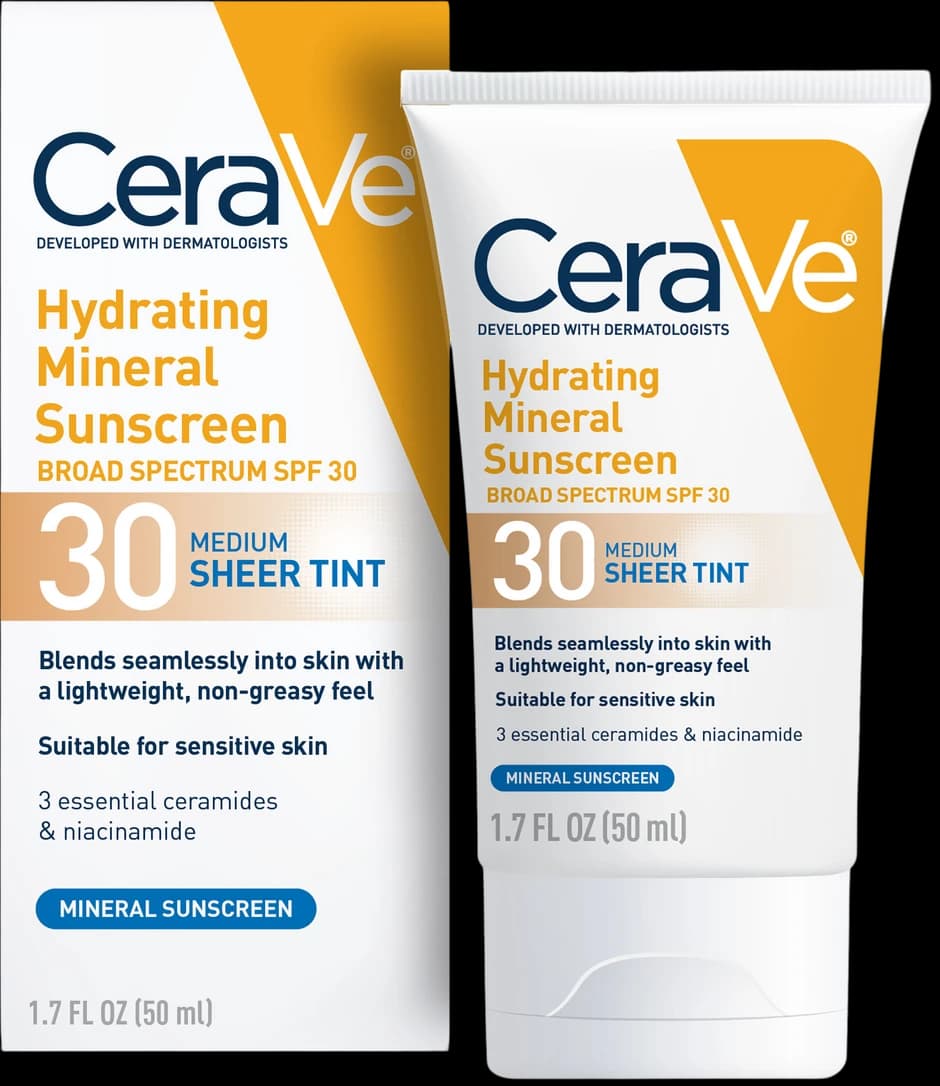
Best drugstore sunscreen for dry, sensitive skin: CeraVe Hydrating Mineral Sunscreen SPF 50 Face Lotion
7% zinc oxide and 9% titanium dioxide, SPF 50, with three ceramides, cholesterol, niacinamide and hyaluronic acid. No fragrance and no drying alcohol; National Eczema Association Seal.
- Mineral only
- SPF 50
- Untinted
- No added fragrance
Good for: CeraVe Hydrating Mineral Sunscreen SPF 50 Face Lotion
- Dry and normal sensitive skin
- SPF 50 at a drugstore price
- Skin that likes barrier lipids
Skip it if: CeraVe Hydrating Mineral Sunscreen SPF 50 Face Lotion
- You swim or sweat: it is not water resistant
- Niacinamide bothers your skin
- You want a short ingredient list
Label facts for CeraVe Hydrating Mineral Sunscreen SPF 50 Face Lotion
- UV filters
- Zinc oxide 7% and titanium dioxide 9%
- Filter type
- Mineral only
- SPF
- 50, as the name states
- Tint
- Untinted
- Water resistant
- No
- Added fragrance
- None listed
- Drying alcohol
- None listed
- Supporting
- Ceramides, niacinamide, glycerin, panthenol, cholesterol and hyaluronic acid
- Cruelty-free certified
- No
Read from the US Drug Facts label on DailyMed on October 10, 2026. US sunscreens print each UV filter’s percentage; their other ingredients may be listed alphabetically, so these label facts report only whether something is there. Formulas change; check your box. Cruelty-free certification: the Leaping Bunny and Cruelty Free International directories on October 10, 2026.
Why we picked it: CeraVe Hydrating Mineral Sunscreen SPF 50 Face Lotion
Two mineral filters at SPF 50, in the kind of base CeraVe’s moisturizers use: three ceramides, cholesterol and hyaluronic acid. No fragrance and no plant extracts, and the eczema seal on the carton.
Do not confuse it with CeraVe’s newer Invisible Mineral Sunscreen SPF 50, a different formula with a different filter balance and no eczema seal.
Flaws but not dealbreakers: CeraVe Hydrating Mineral Sunscreen SPF 50 Face Lotion
- Not water resistant.
- Niacinamide is on the list.
- A long list: 44 inactive ingredients.
CeraVe Hydrating Mineral Sunscreen SPF 50 Face Lotion
CeraVe Hydrating Mineral Sunscreen SPF 50 Face Lotion ingredients (full list of 44, UV filters marked)
Active ingredients: Titanium dioxide 9%, Zinc oxide 7%
Inactive ingredients: water, glycerin, C12-15 alkyl benzoate, dimethicone, isododecane, styrene/acrylates copolymer, glyceryl stearate, butyloctyl salicylate, dicaprylyl carbonate, propanediol, stearic acid, aluminum hydroxide, PEG-100 stearate, sorbitan stearate, niacinamide, PEG-8 laurate, ceramide NP, ceramide AP, ceramide EOP, sorbitan isostearate, carbomer, cetearyl alcohol, ceteareth-20, triethoxycaprylylsilane, dimethiconol, sodium citrate, sodium lauroyl lactylate, sodium dodecylbenzenesulfonate, myristic acid, sodium hyaluronate, cholesterol, palmitic acid, phenoxyethanol, chlorphenesin, tocopherol, hydroxyethyl acrylate/sodium acryloyldimethyl taurate copolymer, caprylyl glycol, citric acid, panthenol, xanthan gum, phytosphingosine, polyhydroxystearic acid, polysorbate 60, ethylhexylglycerin
As printed on the US Drug Facts label on DailyMed on October 10, 2026. The list printed on your box is the one that counts.
Best sunscreen for oily, sensitive skin: La Roche-Posay Anthelios Mineral Zinc Oxide Sunscreen SPF 50
5% zinc oxide and 6% titanium dioxide, SPF 50, water resistant for 40 minutes, in a fluid with silica and talc to soak up oil. No fragrance and no drying alcohol.
- Mineral only
- SPF 50
- Untinted
- No added fragrance
Good for: La Roche-Posay Anthelios Mineral Zinc Oxide Sunscreen SPF 50
- Oily and combination sensitive skin
- An oil-free formula under makeup (La Roche-Posay's claim)
- Workouts and short swims
Skip it if: La Roche-Posay Anthelios Mineral Zinc Oxide Sunscreen SPF 50
- Dry skin
- You avoid talc or propylene glycol
- You want the eczema seal on the bottle you buy
Label facts for La Roche-Posay Anthelios Mineral Zinc Oxide Sunscreen SPF 50
- UV filters
- Zinc oxide 5% and titanium dioxide 6%
- Filter type
- Mineral only
- SPF
- 50, as the name states
- Tint
- Untinted
- Water resistant
- 40 minutes, as the label states
- Added fragrance
- None listed
- Drying alcohol
- None listed
- Supporting
- Vitamin E
- Cruelty-free certified
- No
Read from the US Drug Facts label (DailyMed) on October 10, 2026. US sunscreens print each UV filter’s percentage; their other ingredients may be listed alphabetically, so these label facts report only whether something is there. Formulas change; check your box. Cruelty-free certification: the Leaping Bunny and Cruelty Free International directories on October 10, 2026.
Why we picked it: La Roche-Posay Anthelios Mineral Zinc Oxide Sunscreen SPF 50
The guides we read named it as often as any other sunscreen: Allure, SELF and Oprah Daily on their sensitive-skin lists and Byrdie on its mineral list, sometimes as Anthelios 50 Mineral Ultra Light, its name on DailyMed. It lists silica and talc, which soak up oil; La Roche-Posay calls it oil free and non-comedogenic; and it is water resistant for 40 minutes, which the moisturizer picks above are not.
It lists one plant extract (cassia alata leaf), and propylene glycol, an ingredient the National Rosacea Society’s seal guidelines say products for rosacea should avoid. The National Eczema Association lists an Anthelios fluid with the same two filters, but its ingredient list differs from the US label we read, so we do not count the seal for this bottle.
Flaws but not dealbreakers: La Roche-Posay Anthelios Mineral Zinc Oxide Sunscreen SPF 50
- Talc and propylene glycol are on the list.
- One plant extract: cassia alata leaf.
- Water resistant for 40 minutes, not 80.
La Roche-Posay Anthelios Mineral Zinc Oxide Sunscreen SPF 50
La Roche-Posay Anthelios Mineral Zinc Oxide Sunscreen SPF 50 ingredients (full list of 37, UV filters marked)
Active ingredients: Titanium Dioxide 6%, Zinc Oxide 5%
Inactive ingredients: Water, dimethicone, isododecane, C12-15 alkyl benzoate, undecane, triethylhexanoin, isohexadecane, nylon-12, caprylyl methicone, butyloctyl salicylate, phenethyl benzoate, styrene/acrylates copolymer, silica, tridecane, dicaprylyl carbonate, dicaprylyl ether, talc, dimethicone/PEG-10/15 crosspolymer, aluminum stearate, pentylene glycol, PEG-9 polydimethylsiloxyethyl dimethicone, alumina, polyhydroxystearic acid, phenoxyethanol, magnesium sulfate, propylene glycol, caprylyl glycol, PEG-8 laurate, disteardimonium hectorite, triethoxycaprylylsilane, diethylhexyl syringylidenemalonate, tocopherol, propylene carbonate, cassia alata leaf extract, maltodextrin, benzoic acid, PEG-9
As printed on the US Drug Facts label (DailyMed) on October 10, 2026. The list printed on your box is the one that counts.
Best sunscreen stick for around the eyes: Cetaphil Sheer Mineral Sunscreen Stick SPF 50
4.7% zinc oxide and 6% titanium dioxide, SPF 50, water resistant for 80 minutes, in a stick, the form the AAD suggests around the eyes. No fragrance and no drying alcohol; National Eczema Association Seal.
- Mineral only
- SPF 50
- Untinted
- No added fragrance
Good for: Cetaphil Sheer Mineral Sunscreen Stick SPF 50
- Eyelids and around the eyes
- Topping up during the day
- Sweat and swimming
Skip it if: Cetaphil Sheer Mineral Sunscreen Stick SPF 50
- You want it as your only face sunscreen
- You avoid beeswax
- Very oily skin
Label facts for Cetaphil Sheer Mineral Sunscreen Stick SPF 50
- UV filters
- Zinc oxide 4.7% and titanium dioxide 6%
- Filter type
- Mineral only
- SPF
- 50, as the name states
- Tint
- Untinted
- Water resistant
- 80 minutes, as the label states
- Added fragrance
- None listed
- Drying alcohol
- None listed
- Supporting
- Vitamin E
- Cruelty-free certified
- No
Read from the US Drug Facts label on DailyMed on October 10, 2026. US sunscreens print each UV filter’s percentage; their other ingredients may be listed alphabetically, so these label facts report only whether something is there. Formulas change; check your box. Cruelty-free certification: the Leaping Bunny and Cruelty Free International directories on October 10, 2026.
Why we picked it: Cetaphil Sheer Mineral Sunscreen Stick SPF 50
Eye stinging is one of the most common complaints in the Reddit threads we read; one is titled “Every sunscreen on earth stings my eyeballs”. The AAD has a simple fix for the eyes: use a stick around them, because it does not drip into them. And if a sunscreen stings or burns your skin, it says to choose one with only zinc oxide and titanium dioxide and no fragrance. This stick is both, with the eczema seal.
It is a wax base with 16 inactive ingredients and no water, and its label claims 80 minutes of water resistance. Sticks are easy to under-apply: the AAD says to make four passes back and forth over each area, then rub it in (AAD).
Flaws but not dealbreakers: Cetaphil Sheer Mineral Sunscreen Stick SPF 50
- A small 0.5 oz stick.
- Beeswax and paraffin, if you avoid them.
- Easy to under-apply: four passes back and forth over each spot, then rub it in.
Cetaphil Sheer Mineral Sunscreen Stick SPF 50
Cetaphil Sheer Mineral Sunscreen Stick SPF 50 ingredients (full list of 16, UV filters marked)
Active ingredients: Titanium Dioxide 6%, Zinc Oxide 4.7%
Inactive ingredients: Aluminum Hydroxide, Beeswax, BHT, Butyloctyl Salicylate, C12-15 Alkyl Benzoate, Cetyl Alcohol, Dimethicone, Euphorbia Cerifera (Candelilla) Wax, Isostearic Acid, Neopentyl Glycol Diethylhexanoate, Ozokerite, Paraffin, Polyethylene, Stearic Acid, Tocopheryl Acetate (Vitamin E), Triethoxycaprylylsilane
As printed on the US Drug Facts label on DailyMed on October 10, 2026. The list printed on your box is the one that counts.
Best face and body sunscreen for sensitive skin: Blue Lizard Sensitive Mineral Sunscreen SPF 50
10% zinc oxide and 8% titanium dioxide, SPF 50, water resistant for 80 minutes, in a lotion for face and body. No fragrance and no drying alcohol.
- Mineral only
- SPF 50
- Untinted
- No added fragrance
Good for: Blue Lizard Sensitive Mineral Sunscreen SPF 50
- Beach, pool and sport days
- Face and body from one bottle
- A drugstore price
Skip it if: Blue Lizard Sensitive Mineral Sunscreen SPF 50
- You want the eczema seal
- Zinc white cast shows on your skin tone
- You react to aloe
Label facts for Blue Lizard Sensitive Mineral Sunscreen SPF 50
- UV filters
- Zinc oxide 10% and titanium dioxide 8%
- Filter type
- Mineral only
- SPF
- 50, as the name states
- Tint
- Untinted
- Water resistant
- 80 minutes, as the label states
- Added fragrance
- None listed
- Drying alcohol
- None listed
- Supporting
- Vitamin E
- Cruelty-free certified
- No
Read from the US Drug Facts label on DailyMed on October 10, 2026. US sunscreens print each UV filter’s percentage; their other ingredients may be listed alphabetically, so these label facts report only whether something is there. Formulas change; check your box. Cruelty-free certification: the Leaping Bunny and Cruelty Free International directories on October 10, 2026.
Why we picked it: Blue Lizard Sensitive Mineral Sunscreen SPF 50
The pick for a day in the water: 80 minutes of water resistance, two mineral filters, no fragrance, in a size meant for the whole body.
The current US label lists aloe leaf juice powder and candelilla wax; an older SPF 50+ label, which some bottles may still carry, lists beeswax and phenoxyethanol instead. Check the box if one of those matters to you.
Flaws but not dealbreakers: Blue Lizard Sensitive Mineral Sunscreen SPF 50
- No National Eczema Association Seal.
- Some bottles may carry an older inactive list.
- The label warns it may stain some fabrics.
Blue Lizard Sensitive Mineral Sunscreen SPF 50
Blue Lizard Sensitive Mineral Sunscreen SPF 50 ingredients (full list of 28, UV filters marked)
Active ingredients: Titanium Dioxide 8%, Zinc Oxide 10%
Inactive ingredients: 1,2-Hexanediol, Aloe Barbadensis Leaf Juice Powder, Alumina, Aluminum Stearate, Butyloctyl Salicylate, C12-15 Alkyl Benzoate, Caprylyl Glycol, Cetyl Dimethicone, Cetyl PEG/PPG-10/1 Dimethicone, Dimethicone, Disodium EDTA, Ethylhexyl Palmitate, Ethylhexyl Stearate, Euphorbia Cerifera (Candelilla) Wax, Hexyl Laurate, Hydroxyacetophenone, Methyl Glucose Dioleate, Octyldodecyl Neopentanoate, PEG-7 Hydrogenated Castor Oil, Polyglyceryl-4 Isostearate, Polyhydroxystearic Acid, Propanediol, Tocopherol, Tocopheryl Acetate, Triethoxycaprylylsilane, Trimethylsiloxysilicate, VP/Hexadecene Copolymer, Water
As printed on the US Drug Facts label on DailyMed on October 10, 2026. The list printed on your box is the one that counts.
Every pick, side by side
| Pick | UV filters | Type | SPF | Tint | Water resistant | Added fragrance | Eczema seal (NEA) | Rosacea seal (NRS) | Where to buy |
|---|---|---|---|---|---|---|---|---|---|
 Vanicream Facial Moisturizer SPF 30Best overall | Zinc oxide 19.5% | Mineral only | 30 | Untinted | No | None listed | Yes | No | |
 Tower 28 SOS FaceGuard SPF 30Best sunscreen for rosacea-prone skin | Zinc oxide 12.5% | Mineral only | 30 | Tinted | No | None listed | Yes | Yes | |
 Cetaphil Sheer Mineral Sunscreen Face Drops SPF 50Best SPF 50 sunscreen for sensitive skin | Zinc oxide 12% | Mineral only | 50 | Untinted | 80 minutes | None listed | Yes | No | |
 CeraVe Hydrating Mineral Sunscreen SPF 50 Face LotionBest drugstore sunscreen for dry, sensitive skin | Zinc oxide 7% and titanium dioxide 9% | Mineral only | 50 | Untinted | No | None listed | Yes | No | |
 La Roche-Posay Anthelios Mineral Zinc Oxide Sunscreen SPF 50Best sunscreen for oily, sensitive skin | Zinc oxide 5% and titanium dioxide 6% | Mineral only | 50 | Untinted | 40 minutes | None listed | No | No | |
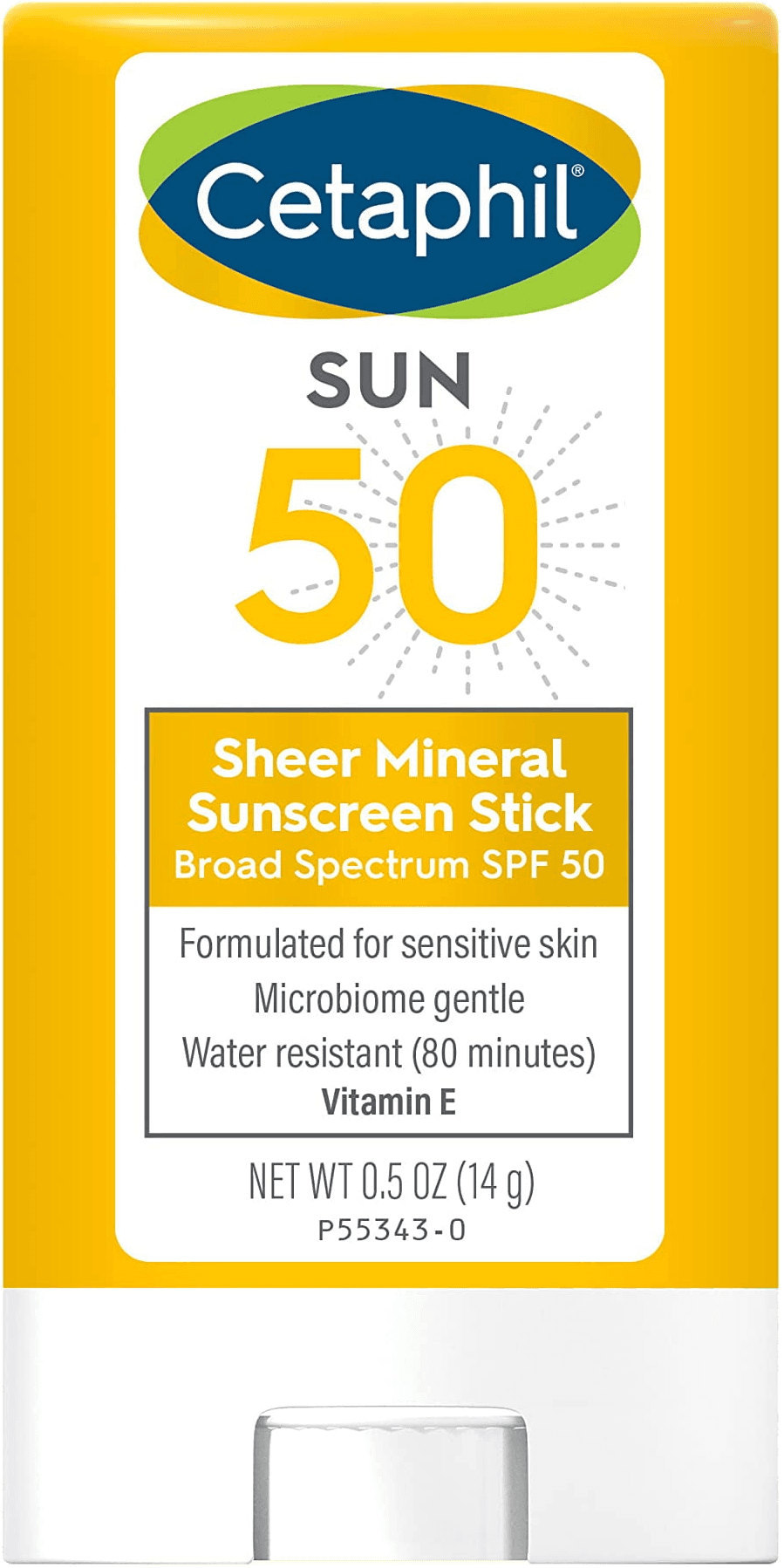 Cetaphil Sheer Mineral Sunscreen Stick SPF 50Best sunscreen stick for around the eyes | Zinc oxide 4.7% and titanium dioxide 6% | Mineral only | 50 | Untinted | 80 minutes | None listed | Yes | No | |
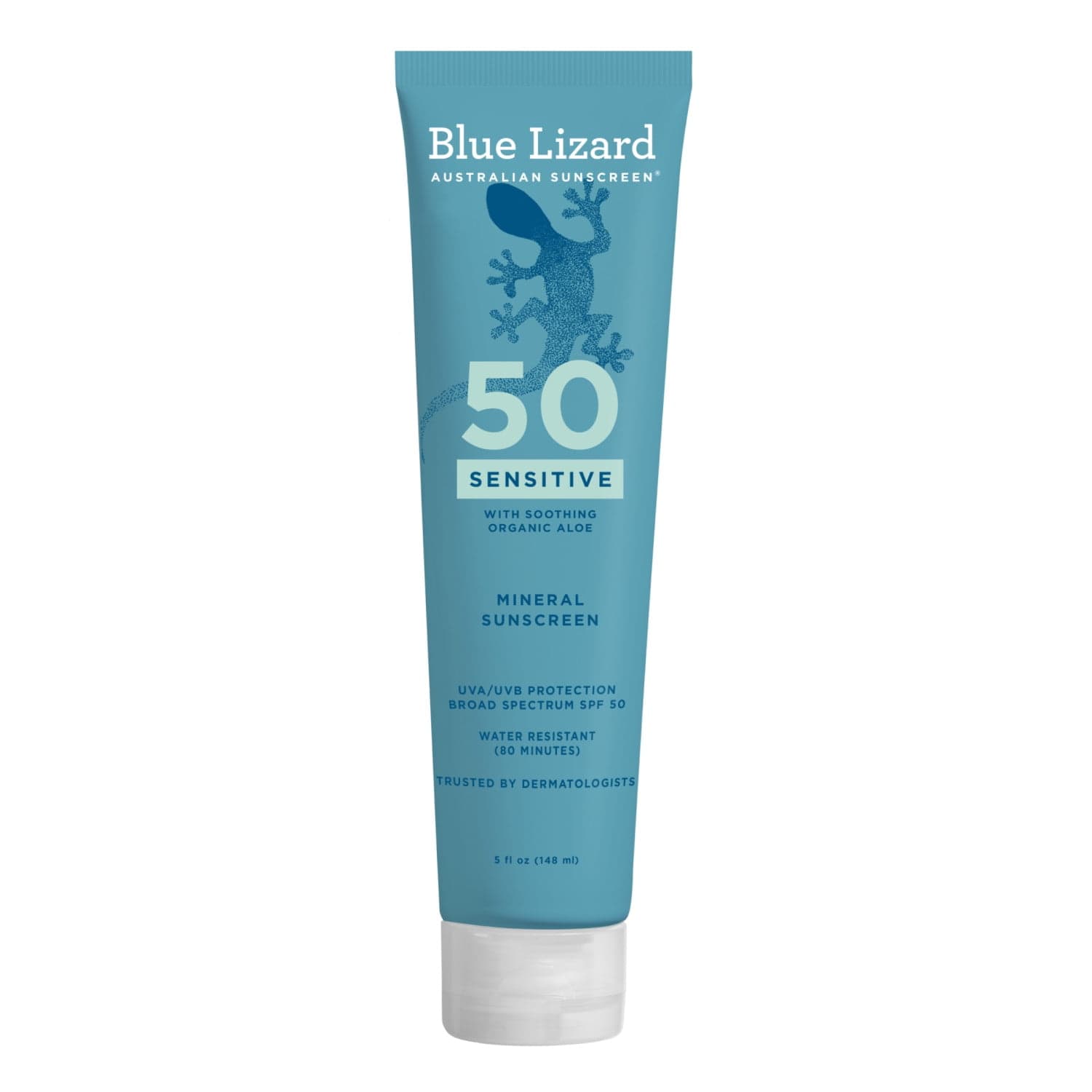 Blue Lizard Sensitive Mineral Sunscreen SPF 50Best face and body sunscreen for sensitive skin | Zinc oxide 10% and titanium dioxide 8% | Mineral only | 50 | Untinted | 80 minutes | None listed | No | No |
What dermatologists say to look for in a sunscreen for sensitive skin
“Sensitive skin” on a sunscreen is not a regulated term. When a label uses it, the AAD says it usually means mineral filters, no fragrance, oils or chemical filters, and a hypoallergenic claim, but nothing makes a brand stick to that. These are the checks that hold:
- Only zinc oxide or titanium dioxide under Active ingredients. Dermatologists recommend mineral sunscreens for sensitive skin (AAD), and for rosacea or skin that stings, the AAD says to use those two alone. “Mineral” or “sensitive” on the front is not proof; the Drug Facts box is.
- “Fragrance free”, not “unscented”. Unscented can mean a masking fragrance; the AAD says to pick another product if that is what the label says. Then read the list for scented plant oils and extracts: a fragrance-free label can still carry them (how to read an ingredient list).
- No oxybenzone. The AAD lists it among the ingredients to avoid with sensitive or allergy-prone skin, alongside fragrance and parabens (AAD). It is the sunscreen filter behind the most allergic reactions in North American patch-test data (Warshaw 2013).
- Broad spectrum, SPF 30 or higher, and water resistant. The AAD’s baseline (AAD). Water resistance lasts 40 or 80 minutes, and a label may claim it only after testing (21 CFR 201.327). A moisturizer with SPF that is not water resistant, like our top pick, says on its label to use a water-resistant sunscreen when you swim or sweat.
- A seal is a shortcut, not a guarantee. The National Eczema Association Seal requires no fragrance, mineral filters only and none of a list of known allergens, plus an irritation or allergy patch test on a panel that includes people with sensitive skin; the National Rosacea Society Seal requires a use test on at least 30 people with rosacea. Brands pay an application fee and a yearly license for both (NEA, NRS). “Hypoallergenic” means nothing official: there is no federal definition (FDA).
Mineral vs chemical sunscreen for sensitive skin: what the allergy studies show
The two mineral filters have the cleanest record. The FDA has proposed zinc oxide and titanium dioxide as safe and effective, and found that test products with up to 25% zinc oxide did not cause irritation or allergic reactions (FDA, 2019; some of that data came from Procter & Gamble). A 2023 review found no published cases of allergic or light-triggered allergic reactions to either one (Ekstein and Hylwa).
Among chemical filters, oxybenzone stands out. Among people patch tested at North American clinics from 2001 to 2010, 0.9% had a sunscreen allergy, and oxybenzone was the allergen in 64% to 70% of them, depending on the test strength (Warshaw 2013); these are people referred for suspected allergy, not the general public. In a European study of light-triggered reactions, octocrylene, oxybenzone and avobenzone were the filters most often responsible, and several people reacted to octocrylene and to ketoprofen, an anti-inflammatory drug sold as a gel, at the same time (European photopatch study, 2012); most people with octocrylene photoallergy had used ketoprofen gel before (de Groot 2014). In our catalog, 645 of 1,819 sunscreens list octocrylene, and 107 list oxybenzone.
The rest of the formula matters as much. A 2026 study of 176 best-selling US sunscreens found fragrance in 44%, and only 10 with none of the 80 allergens dermatologists patch test for most among their inactive ingredients; mineral sunscreens carried fewer of them on average than chemical ones (1.45 vs 3.12) (Levin 2026). None of this makes chemical filters unsafe: the FDA asked for more data on 12 of them and says that is not a finding that they are unsafe (FDA). If a chemical sunscreen works for your skin, keep wearing it. Our guide to sunscreen filters covers each one.
If every sunscreen stings
You are not alone: a Reddit thread titled “Every sunscreen burns my rosacea skin” drew dozens of replies, and in the threads we read several people said even mineral sunscreens bothered them. Some steps that help:
- Patch test first. Twice a day for 7 to 10 days on a quarter-sized spot on the inner arm, before your face (AAD).
- Keep it out of your eyes. Every label says so; a stick near the eyes helps, like Cetaphil Sheer Mineral Sunscreen Stick SPF 50 (AAD).
- Change one thing at a time, so you can tell which product a reaction came from.
- Cover up on bad-skin days. Shade, a wide-brimmed hat, UV-blocking sunglasses and clothing with a UPF label protect skin with nothing on it (AAD); keep sunscreen for the skin they leave bare.
- See a dermatologist for patch testing if reactions keep coming: sunscreen allergies often need allergens beyond the standard test series (Warshaw 2013), and light-triggered ones need a photopatch test (European photopatch study, 2012).
How to use sunscreen on sensitive skin
- At least a teaspoon for the face, about the length of your index and middle fingers (AAD).
- Last step of your morning routine, 15 minutes before going out, on dry skin (the order to apply skincare in).
- Reapply about every two hours outdoors, and after swimming or sweating. Only four picks are water resistant: Cetaphil Sheer Mineral Sunscreen Face Drops SPF 50 (80 minutes), La Roche-Posay Anthelios Mineral Zinc Oxide Sunscreen SPF 50 (40 minutes), Cetaphil Sheer Mineral Sunscreen Stick SPF 50 (80 minutes) and Blue Lizard Sensitive Mineral Sunscreen SPF 50 (80 minutes).
- Babies under 6 months: keep them out of direct sun and check with a pediatrician first (FDA).
Under it, a fragrance-free face moisturizer if your sunscreen is not one; if you use a retinoid at night, see our retinol picks for sensitive skin.
How we picked, and why you can trust it
We read the guides Google ranks for “best sunscreen for sensitive skin” and its close variants: Allure, CNN Underscored, SELF’s list as reprinted by a dermatology practice, Byrdie, Oprah Daily, two brand pages and a creator’s blog, plus 19 Reddit threads from people with sensitive, rosacea- and eczema-prone skin. Those guides do not always match the label: Allure lists Vanicream’s sunscreen as tinted and water resistant, and CNN Underscored gives it 12% zinc oxide; its US label shows 19.5% zinc oxide, no tint and no water resistance. Then we read the current US Drug Facts of 28 sunscreens on DailyMed, the National Library of Medicine’s database of FDA labels, and the brand’s US page: every filter and its percentage, the SPF, water resistance, fragrance, scented extracts, drying alcohol and the full inactive list. We kept mineral filters only, no fragrance or drying alcohol and SPF 30 or more, looked each one up in the National Eczema Association and National Rosacea Society directories (on October 10, 2026), and chose one for each skin need. Of our picks’ brands, none is certified in the Leaping Bunny or Cruelty Free International directories (checked October 10, 2026). For more zinc oxide options, see our mineral sunscreen picks; for color, our tinted sunscreen picks; and for a Korean formula, our Korean sunscreen picks, whose pick for sensitive skin is zinc oxide only.
- Every ingredient position, count and fragrance or alcohol flag on a product card is generated from its US ingredient list, not typed by hand.
- Every health claim links to its source, such as the AAD, the FDA, a Drug Facts label or a published study.
- No brand pays, sends free products or buys ads to be on a list, and commission never decides a pick.
- We did not test these on skin or run a panel, and we say so on every post.
Our full method explains what we check and why.
Also considered
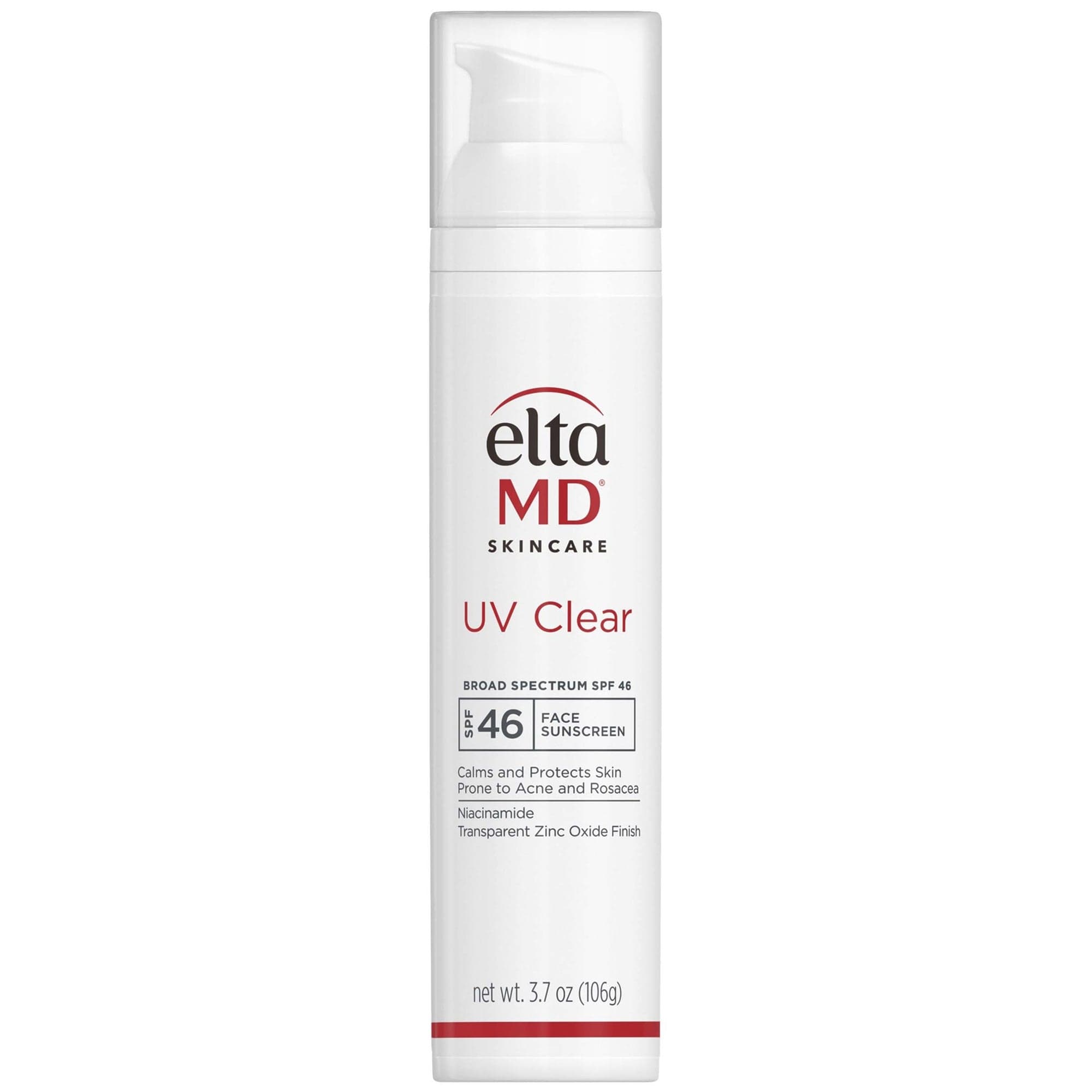
EltaMD UV Clear SPF 46
The best overall pick in SELF’s guide and Byrdie’s mineral guide, and EltaMD is the brand people praised most in the Reddit threads we read, such as this r/30PlusSkinCare thread. But it is a hybrid: 9% zinc oxide and 7.5% octinoxate, and octinoxate is a chemical filter.
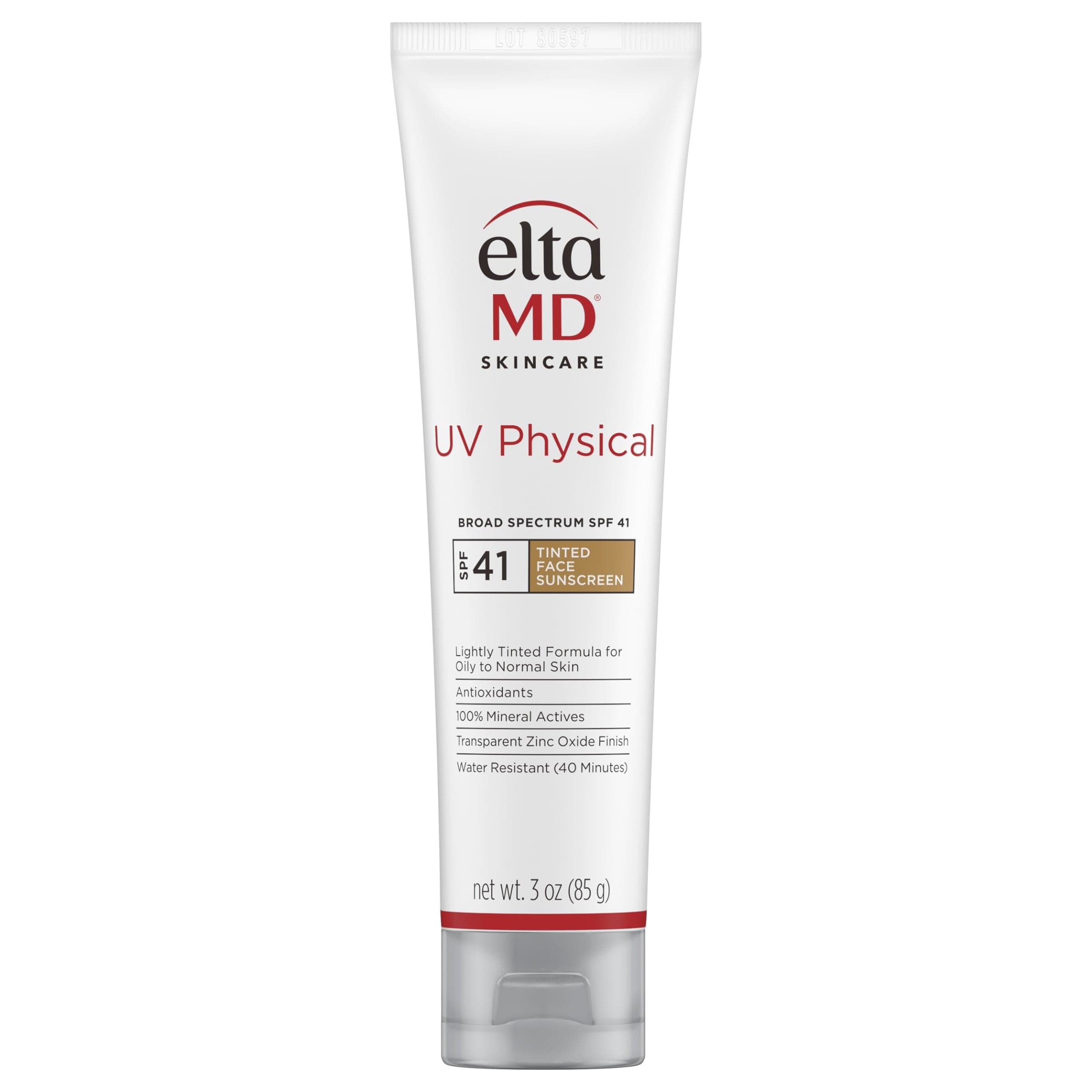
EltaMD UV Physical Broad-Spectrum SPF 41
EltaMD’s mineral option: 9% zinc oxide and 7% titanium dioxide, tinted, water resistant for 40 minutes, no fragrance. It lists ginger root extract, and has no eczema seal.
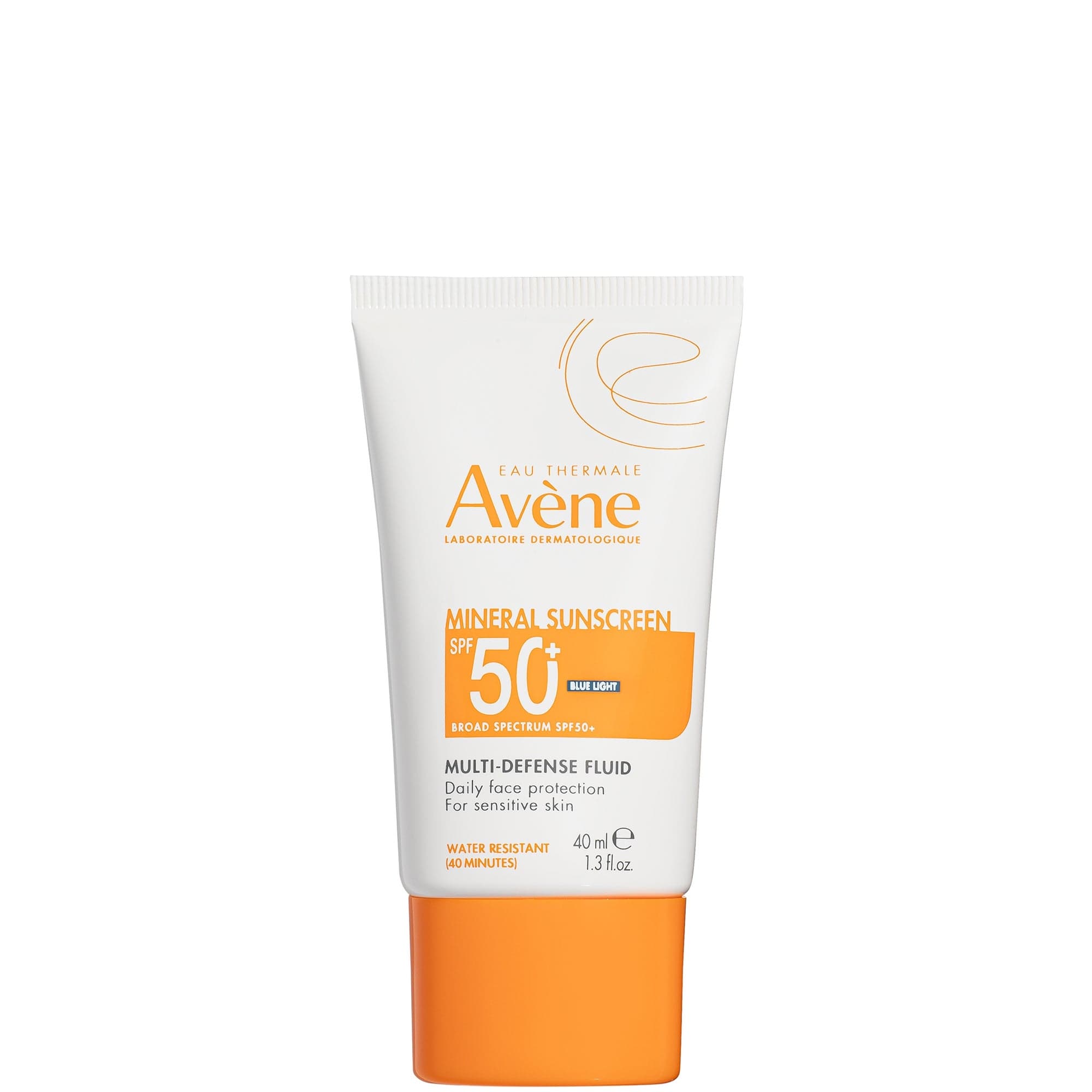
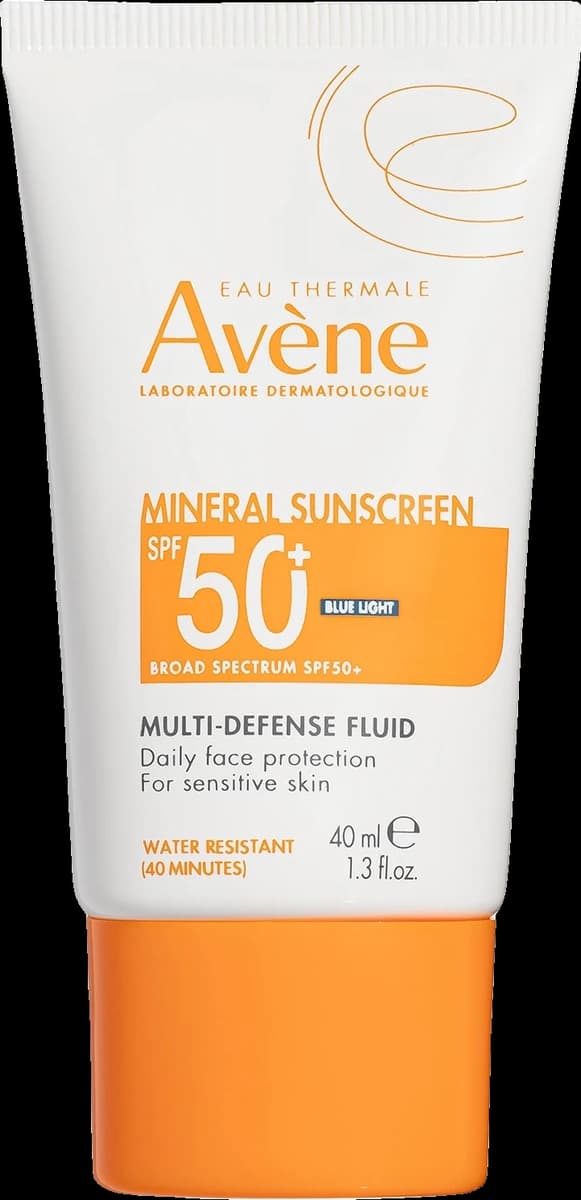
Avène Mineral Multi-Defense Fluid SPF 50+
12% zinc oxide, no fragrance, listed by the National Eczema Association, and our best overall mineral sunscreen. For very reactive skin, note the rosemary leaf extract on its list.
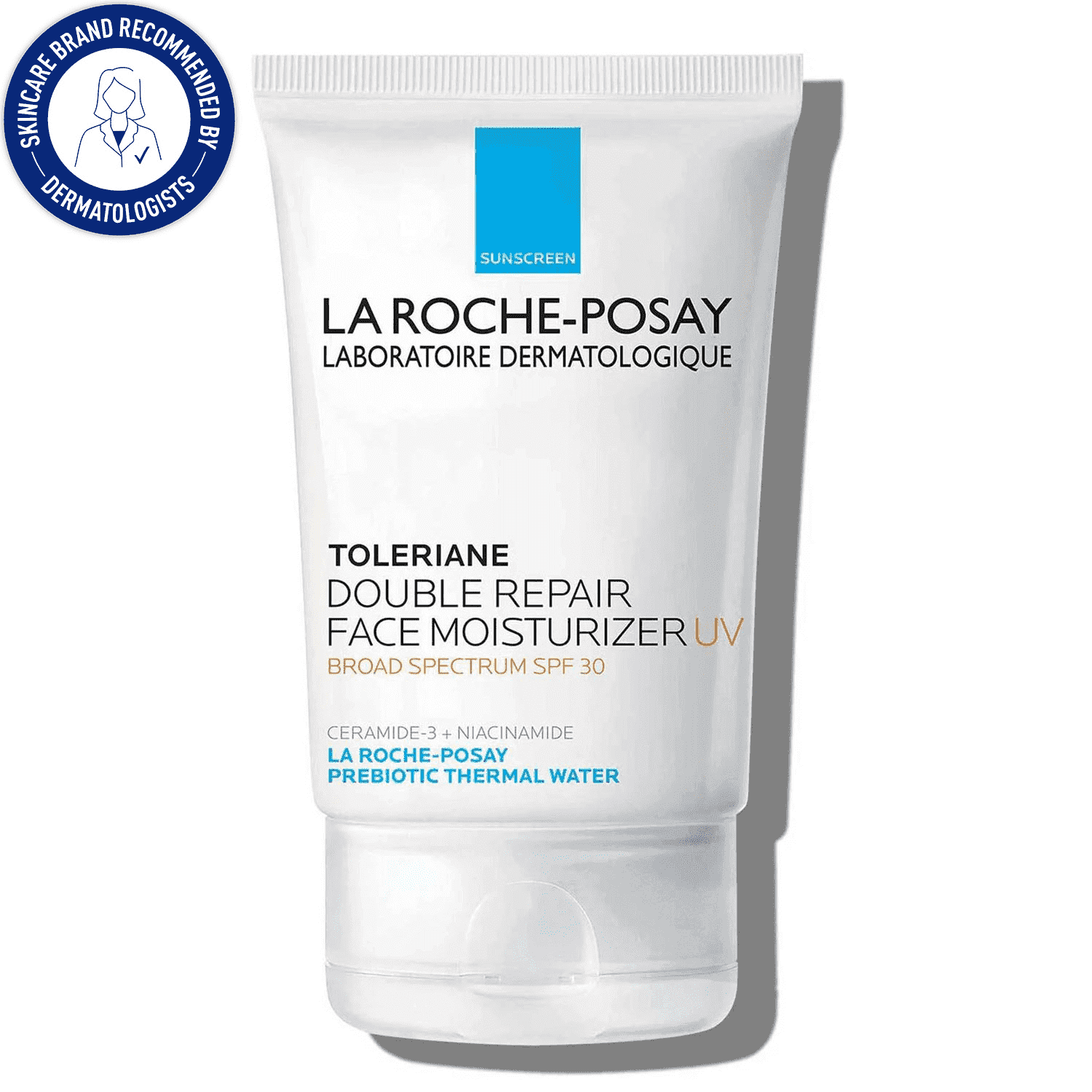
La Roche-Posay Toleriane Double Repair UV SPF 30
Sold for sensitive skin, and fragrance-free, but its filters are all chemical: 3% avobenzone, 5% homosalate, 5% octisalate and 7% octocrylene.
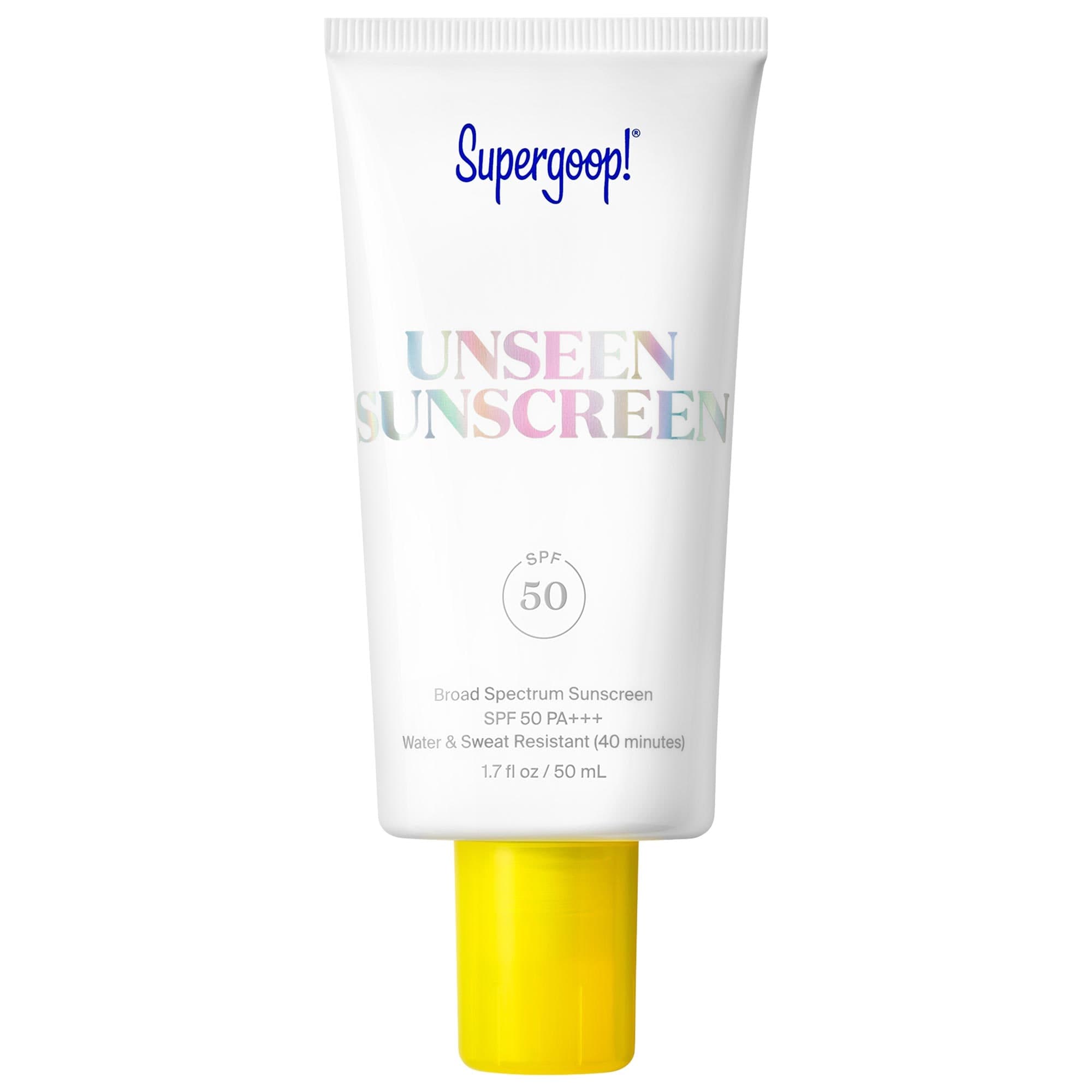
Supergoop! Unseen Sunscreen SPF 50
Popular and scentless, but all chemical filters (3% avobenzone, 7% homosalate, 5% octisalate and 9% octocrylene), including octocrylene.
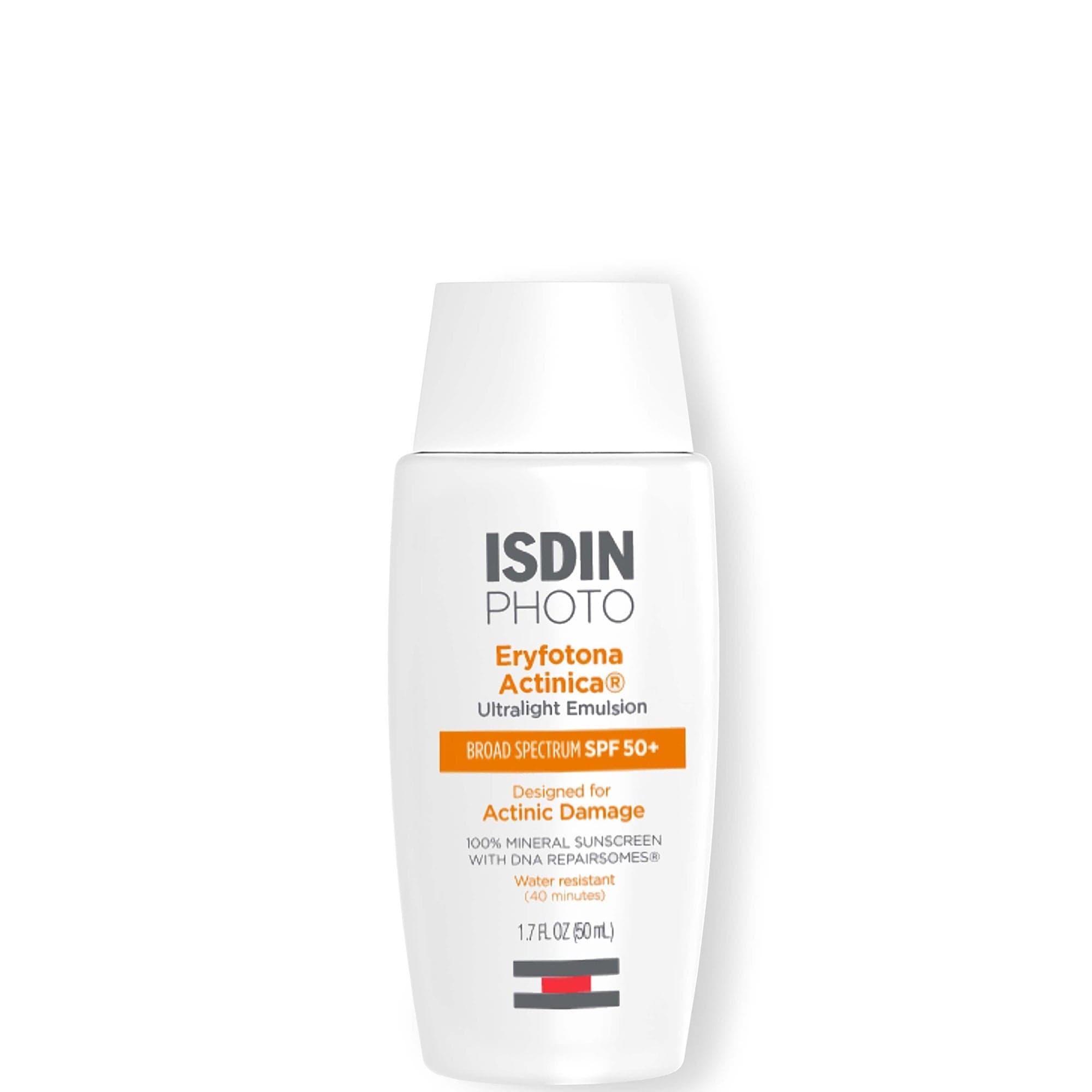
ISDIN Eryfotona Actinica SPF 50+
11% zinc oxide as its only active ingredient, but its US label lists fragrance and alcohol denat.
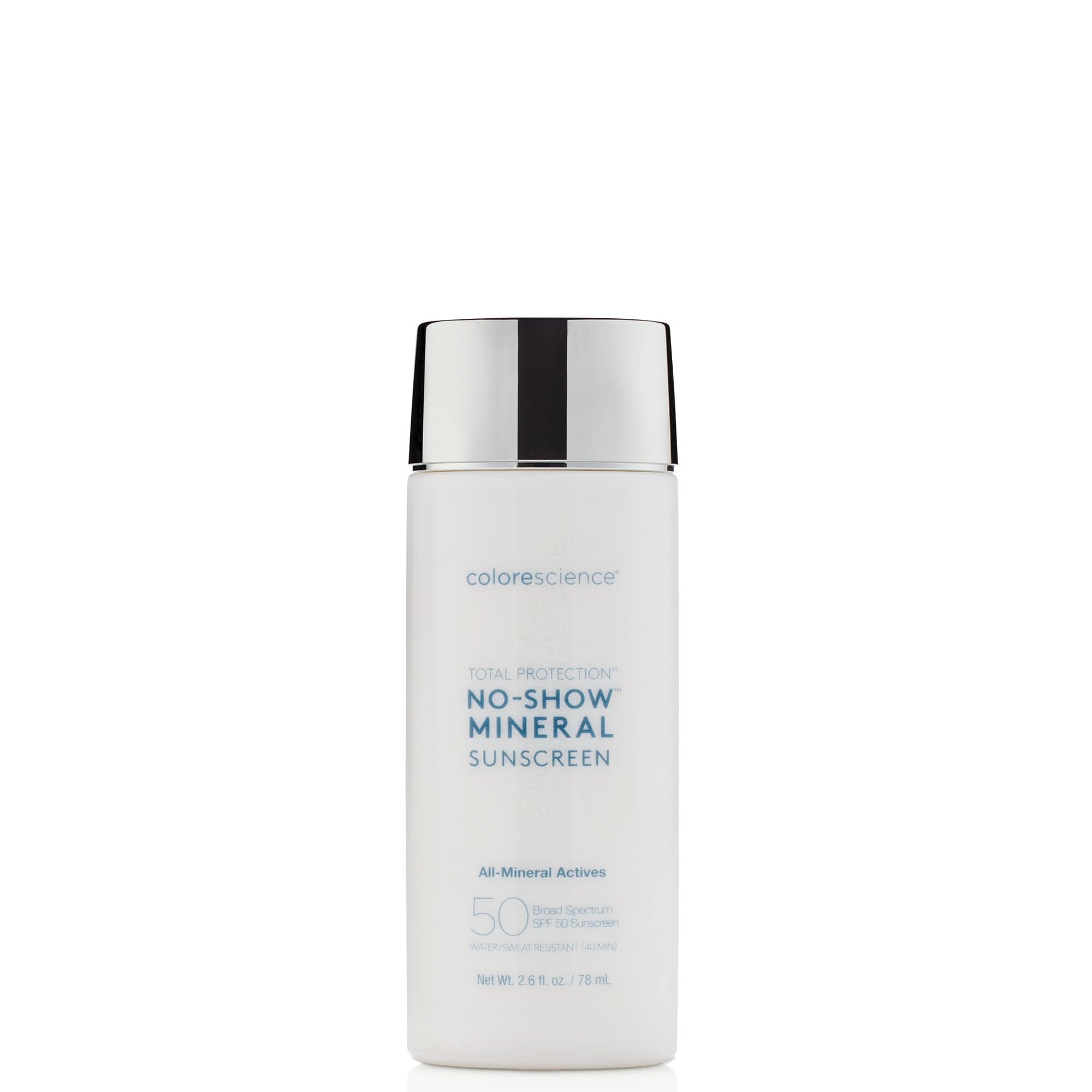
Colorescience Total Protection No-Show Mineral Sunscreen SPF 50
10% zinc oxide and no listed fragrance, but three plant extracts (tremella mushroom, tara and sunflower sprout), and Colorescience’s own FAQ says its testing for sensitive skin is still in progress.
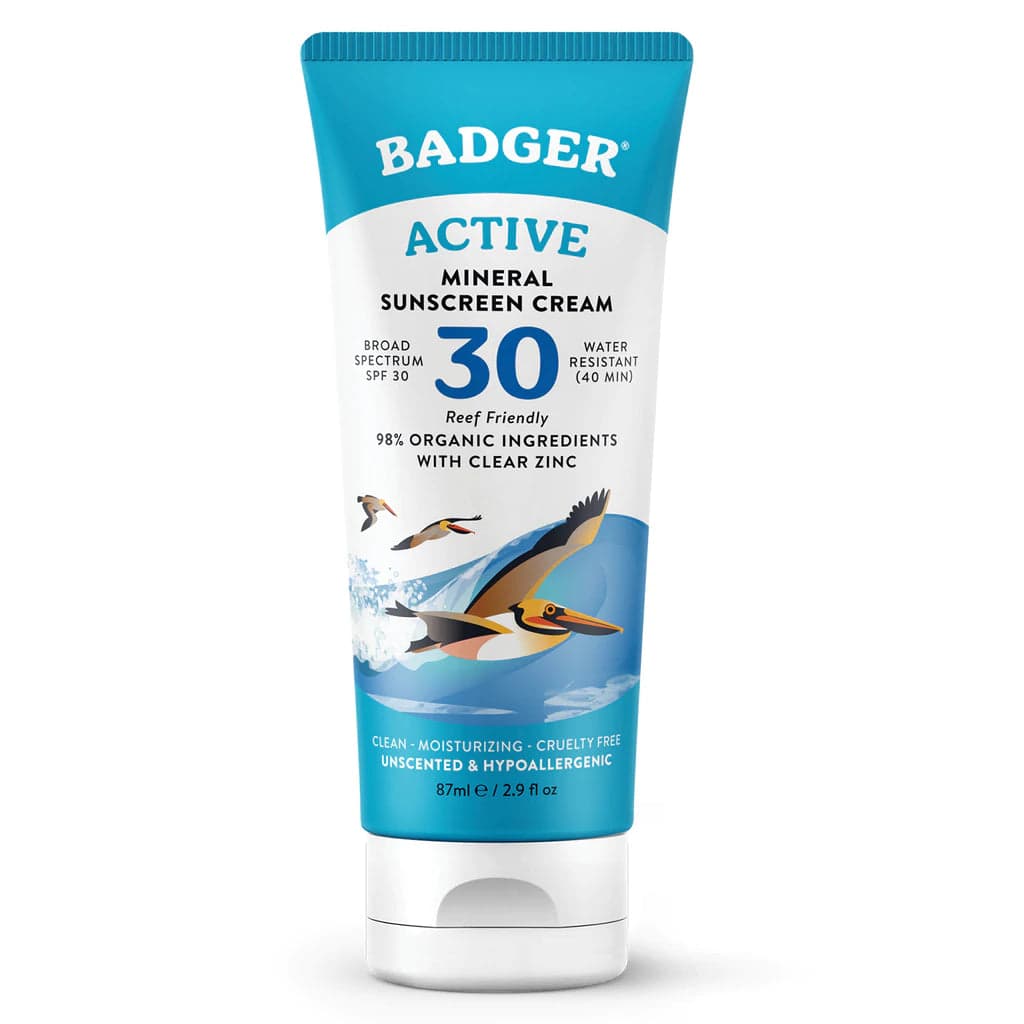
Badger Active Mineral Sunscreen Cream SPF 30
The shortest list on this page: 18.75% zinc oxide in four inactive ingredients, water resistant for 40 minutes, and Leaping Bunny certified. But the label says “unscented”, not fragrance-free, and it lists beeswax and sea buckthorn extract.
Questions people ask
What is the best sunscreen for sensitive skin?
Vanicream Facial Moisturizer SPF 30: 19.5% zinc oxide as its only active ingredient, no fragrance or plant extracts, and the National Eczema Association Seal. For rosacea-prone skin, Tower 28 SOS FaceGuard SPF 30, which holds the eczema and rosacea seals; for SPF 50 and water resistance, Cetaphil Sheer Mineral Sunscreen Face Drops SPF 50.
Is mineral sunscreen better for sensitive skin?
Usually, yes. The AAD says dermatologists recommend mineral sunscreens (zinc oxide, titanium dioxide or both) for sensitive skin. A dermatitis review found no reported cases of allergic reactions to either mineral filter, while oxybenzone is the filter most often behind sunscreen allergies. That does not make chemical filters unsafe: the FDA says asking for more data on them is not a finding that they are unsafe, and many people wear them without trouble. But if sunscreens sting or redden your skin, mineral-only is the first thing to try.
What do dermatologists recommend for very sensitive skin?
The AAD's advice: a sunscreen with only zinc oxide and titanium dioxide, broad spectrum and SPF 30 or higher, labeled fragrance-free rather than unscented, with no parabens or oxybenzone; a stick around the eyes; and a patch test on the inner arm, twice a day for 7 to 10 days, before you put a new one on your face.
What sunscreen is best for sensitive, acne-prone skin?
The AAD says to look for “non-comedogenic” or “won't clog pores” on the label. Among our picks, Vanicream's carton says non-comedogenic, Cetaphil says its face drops won't clog pores, and La Roche-Posay calls its Anthelios oil free and non-comedogenic. Those are the brands' claims, not tests we ran, so patch test a new one for 7 to 10 days.
Which EltaMD sunscreen is best for sensitive skin?
Of the two we read, UV Physical SPF 41: 9% zinc oxide and 7% titanium dioxide, tinted, water resistant for 40 minutes, no fragrance, though it lists ginger root extract. The better-known UV Clear SPF 46 is a hybrid: 9% zinc oxide and 7.5% octinoxate, and octinoxate is a chemical filter. Neither has the National Eczema Association Seal.
Why does sunscreen burn my eyes, and what helps?
Sunscreen stings when it runs into the eyes, and every US sunscreen label says to keep it out of them. The AAD suggests a stick around the eyes, since it does not drip. For skin that stings, it suggests a sunscreen with only zinc oxide and titanium dioxide and no fragrance. No authority we found says which filters sting the eyes.
Is SPF 50 too strong for sensitive skin?
No. SPF measures how much protection you get from sunburn, not how harsh a sunscreen is; irritation comes from what is in the formula. Our SPF 50 picks list only mineral filters and no fragrance. The AAD's minimum is SPF 30.
Are there downsides to mineral sunscreen?
The common one is a white cast: zinc oxide and titanium dioxide are white, and the more a label lists, the more it can show. The AAD suggests a tinted sunscreen if that is a problem; Tower 28 SOS FaceGuard SPF 30 has a light tint from iron oxides. Mineral sunscreens also need reapplying like any other: at least every two hours, and after swimming or sweating.
Which sunscreen ingredients cause allergic reactions most often?
Among the UV filters, oxybenzone (benzophenone-3): among people patch tested at North American clinics from 2001 to 2010, it was the allergen in 64% to 70% of the sunscreen allergies found, depending on the test strength. In a European study of light-triggered reactions, octocrylene, oxybenzone and avobenzone were the filters most often responsible. The inactive ingredients matter as much: in a 2026 study of 176 best-selling US sunscreens, fragrance was in 44%, and only 10 had none of the 80 allergens on dermatologists' standard North American patch-test series among their inactive ingredients.
What does “hypoallergenic” mean on a sunscreen?
Nothing official. The FDA says there are no federal standards or definitions for the term, so read the ingredient list instead, or look for a seal with published rules, such as the National Eczema Association's.
What is the difference between fragrance-free and unscented?
Fragrance-free means no fragrance was added. Unscented can mean a masking fragrance was added to cover the smell of the other ingredients, which is why the AAD tells people with rosacea to choose fragrance-free.
What is the best sunscreen for rosacea?
Tower 28 SOS FaceGuard SPF 30: 12.5% zinc oxide with a light tint, no fragrance, and one of three sunscreens with the National Rosacea Society Seal. The AAD's rosacea advice is zinc oxide, titanium dioxide or both, no fragrance, and ideally a silicone such as dimethicone. Tower 28 lists no silicone; Vanicream Facial Moisturizer SPF 30 does.
What sunscreen is best for eczema-prone skin?
One with the National Eczema Association Seal, which only accepts fragrance-free mineral sunscreens. Five of our picks carry it: Vanicream Facial Moisturizer SPF 30, Tower 28 SOS FaceGuard SPF 30, Cetaphil Sheer Mineral Sunscreen Face Drops SPF 50, CeraVe Hydrating Mineral Sunscreen SPF 50 Face Lotion and Cetaphil Sheer Mineral Sunscreen Stick SPF 50.
What sunscreen is best for babies and kids with sensitive skin?
Usually none under 6 months: the FDA says to keep babies that young out of direct sun and to check with a pediatrician before using any sunscreen on them, and US sunscreen labels say “children under 6 months: ask a doctor”. From 6 months, the AAD says zinc oxide or titanium dioxide sunscreens may irritate sensitive skin less; every pick here lists only those. For a pool or beach day, Blue Lizard Sensitive Mineral Sunscreen SPF 50 is water resistant for 80 minutes, and a stick keeps sunscreen out of the eyes.
Are spray sunscreens OK for sensitive skin?
They tend to carry more potential allergens: in a 2026 study of 176 best-selling US sunscreens, sprays and “sport” formulas had the most allergens from dermatologists' patch-test series among their inactive ingredients, and sticks, baby, tinted and face products the fewest. None of our picks is a spray.
Is there a waterproof sunscreen for sensitive skin?
No US sunscreen may call itself waterproof: the FDA counts the word as misleading. Labels say “water resistant (40 minutes)” or “(80 minutes)” instead. Four of our picks are: Cetaphil Sheer Mineral Sunscreen Face Drops SPF 50 (80 minutes), La Roche-Posay Anthelios Mineral Zinc Oxide Sunscreen SPF 50 (40 minutes), Cetaphil Sheer Mineral Sunscreen Stick SPF 50 (80 minutes) and Blue Lizard Sensitive Mineral Sunscreen SPF 50 (80 minutes).
What are the best sunscreen brands for sensitive skin?
Judge the bottle, not the brand: La Roche-Posay and EltaMD each sell both mineral-only sunscreens and sunscreens with chemical filters. Our seven picks come from six brands: Vanicream, Tower 28, Cetaphil, CeraVe, La Roche-Posay and Blue Lizard.
Is Blue Lizard sunscreen good for sensitive skin?
Blue Lizard Sensitive Mineral Sunscreen SPF 50 is: 10% zinc oxide and 8% titanium dioxide, no fragrance, water resistant for 80 minutes. It lists aloe and has no eczema seal. Its Sensitive Face SPF 30+ is a different formula and is not water resistant.
Is Supergoop sunscreen good for sensitive skin?
It depends which. Unseen Sunscreen is all chemical filters (3% avobenzone, 7% homosalate, 5% octisalate and 9% octocrylene), including octocrylene, one of the filters most often behind light-triggered reactions. For reactive skin, a mineral-only sunscreen is the safer first try.
Is La Roche-Posay sunscreen good for sensitive skin?
Its mineral fluid is: La Roche-Posay Anthelios Mineral Zinc Oxide Sunscreen SPF 50 lists 5% zinc oxide and 6% titanium dioxide, with no fragrance, and is our pick for oily skin. Toleriane Double Repair UV, sold for sensitive skin, uses four chemical filters instead (3% avobenzone, 5% homosalate, 5% octisalate and 7% octocrylene).
Sources
- American Academy of Dermatology: Sunscreen FAQs
- American Academy of Dermatology: How do I know if I'm using the right sunscreen?
- American Academy of Dermatology: How to decode a sunscreen label
- American Academy of Dermatology: 7 rosacea skin care tips dermatologists recommend
- American Academy of Dermatology: How to select a sunscreen
- American Academy of Dermatology: How to test skin care products
- American Academy of Dermatology: How to use stick and spray sunscreens
- American Academy of Dermatology: How to prevent skin cancer
- National Eczema Association: About the NEA Seal of Acceptance
- National Eczema Association: Get the Seal (for companies)
- National Eczema Association: Seal of Acceptance product directory, sunscreens
- National Rosacea Society: Seal of Acceptance, sunscreens
- National Rosacea Society: Seal of Acceptance, information for companies
- U.S. Food and Drug Administration: Sunscreen drug products for over-the-counter human use, proposed rule, Federal Register (2019)
- U.S. Food and Drug Administration: Questions and answers on FDA's regulatory actions on over-the-counter sunscreen
- U.S. Food and Drug Administration: Hypoallergenic cosmetics
- U.S. Food and Drug Administration: Should you put sunscreen on infants? Not usually
- 21 CFR 201.66: format and content requirements for over-the-counter drug labeling (eCFR)
- 21 CFR 201.327: labeling and effectiveness testing of OTC sunscreens (eCFR)
- Warshaw et al.: Patch test reactions associated with sunscreen products and the importance of testing to an expanded series, North American Contact Dermatitis Group data 2001 to 2010, Dermatitis (2013)
- European Multicentre Photopatch Test Study Taskforce: A European multicentre photopatch test study, British Journal of Dermatology (2012)
- de Groot and Roberts: Contact and photocontact allergy to octocrylene, a review, Contact Dermatitis (2014)
- Ekstein and Hylwa: Sunscreens, a review of UV filters and their allergic potential, Dermatitis (2023)
- Levin et al.: Allergen content of inactive ingredients in best-selling sunscreens, a comparison of key product features, Contact Dermatitis (2026)
- DailyMed (U.S. National Library of Medicine): FDA drug labels and Drug Facts
- Reddit, r/SkincareAddiction: "Every sunscreen on earth stings my eyeballs" (2024)
- Reddit, r/Rosacea: "Every sunscreen burns my rosacea skin, has anyone found one that doesn't sting?" (2026)
- Reddit, r/30PlusSkinCare: "Sunscreen recommendations for super sensitive skin?" (2023)
Written by Avina Picks. Not clinically reviewed, and not a treatment plan: ask a dermatologist about a skin condition, a prescription, pregnancy or breastfeeding.
Sunscreen works on the days you wear it
Avina keeps your morning routine with your real products, sunscreen last, and records the days you did it, so daily protection becomes a streak you can see.

More from Avina Picks
- Mineral sunscreen
The Best Mineral Sunscreens
Avène's Mineral Multi-Defense Fluid is our pick: zinc oxide alone, SPF 50+ and no added fragrance. For sensitive skin, Vanicream's SPF 30 moisturizer; at the drugstore, Neutrogena Sheer Zinc.Updated - Tinted sunscreen
The Best Tinted Sunscreens
Tower 28 SunnyDays is our pick: 12.6% zinc oxide, 17 shades and no fragrance. For dark spots and melasma, Colorescience's SPF 50 Face Shield Flex; at the drugstore, CeraVe's tinted SPF 30.Updated - Sensitive skin
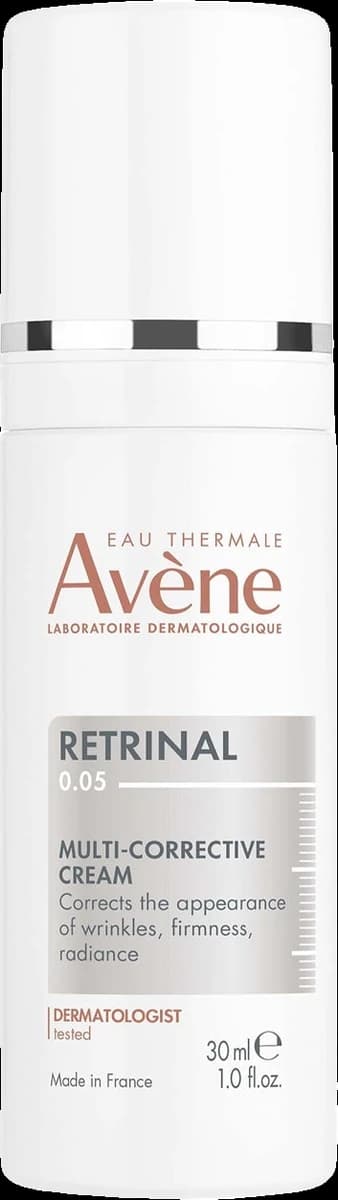
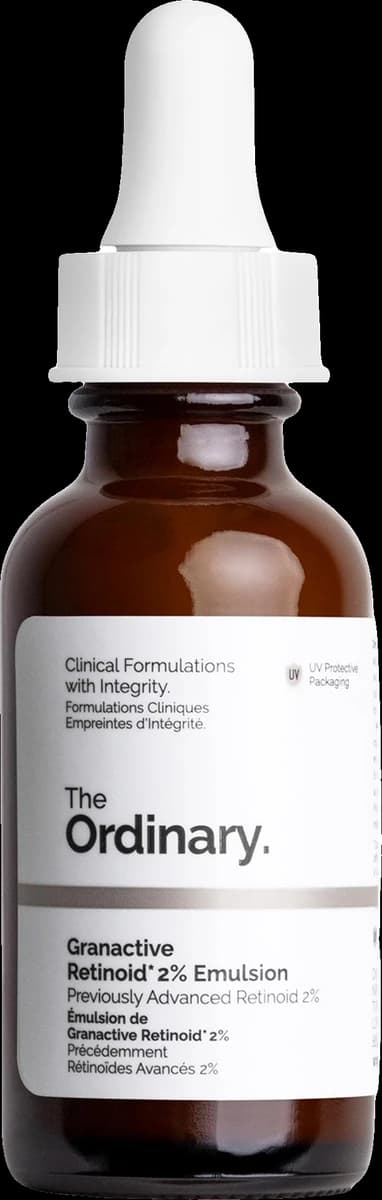
The Best Retinol for Sensitive Skin
Go low and go fragrance-free. Avène's RetrinAL 0.05 cream is our pick for most sensitive skin; The Ordinary's Granactive Retinoid 2% Emulsion is the budget start.Updated