Avina Picks
The Best Oil Cleansers
haruharu wonder's Black Rice Moisture Cleansing Oil is our pick: nine ingredients, rice bran oil first, no fragrance or essential oil, and no water. For sensitive skin and eyes, Clinique's Take The Day Off Cleansing Oil; for a Korean oil, Round Lab's 1025 Dokdo.
Our top picks
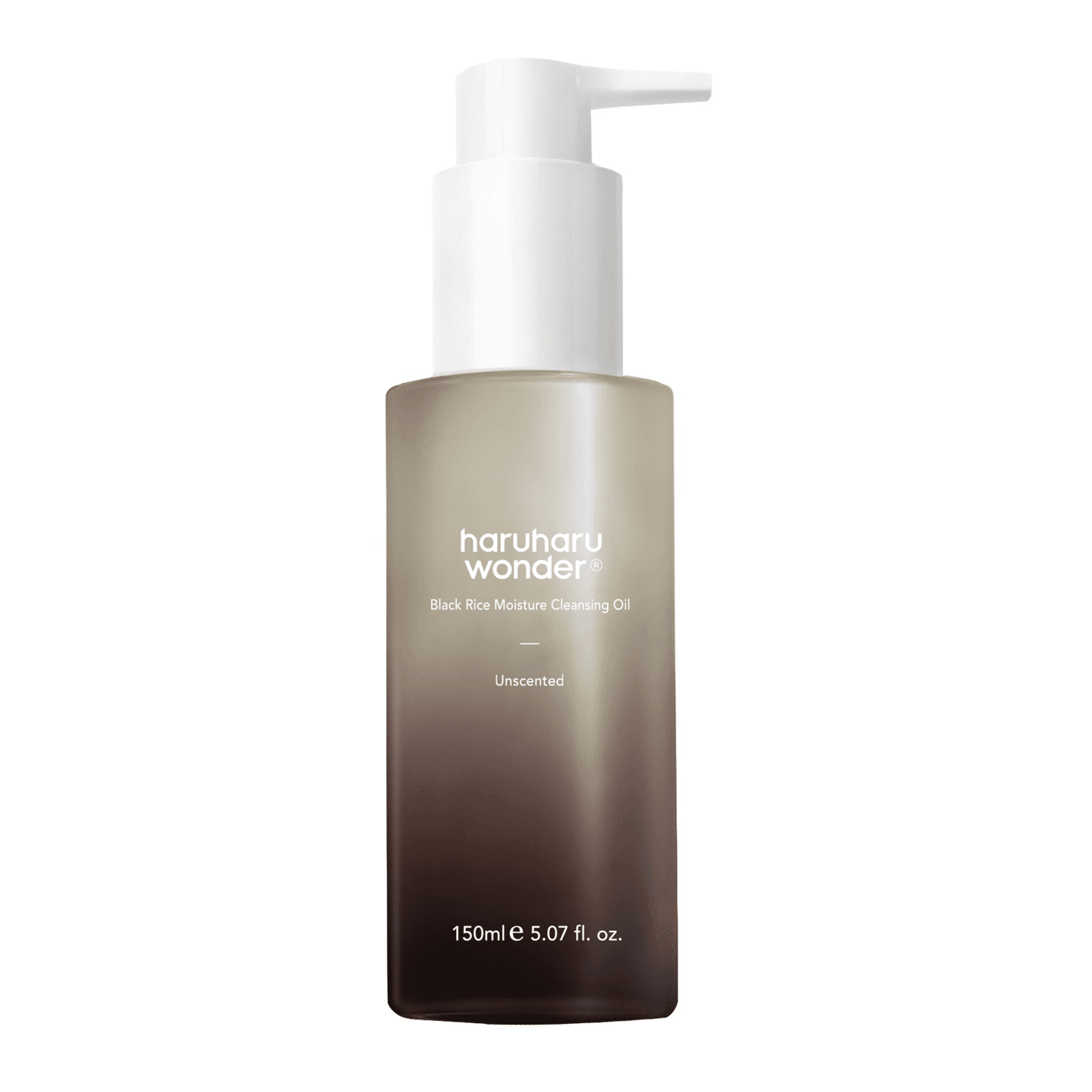
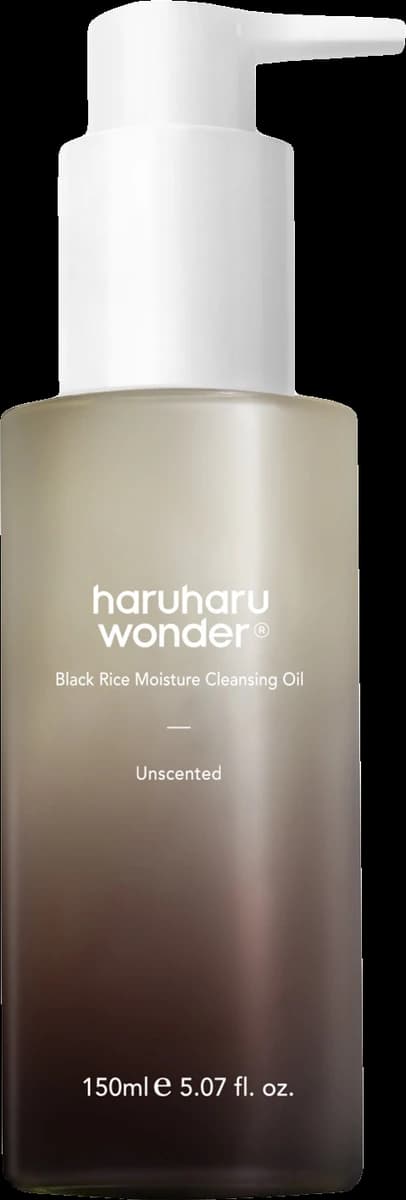 Best oil cleanser overallharuharu wonder Black Rice Moisture Cleansing Oil (Unscented)
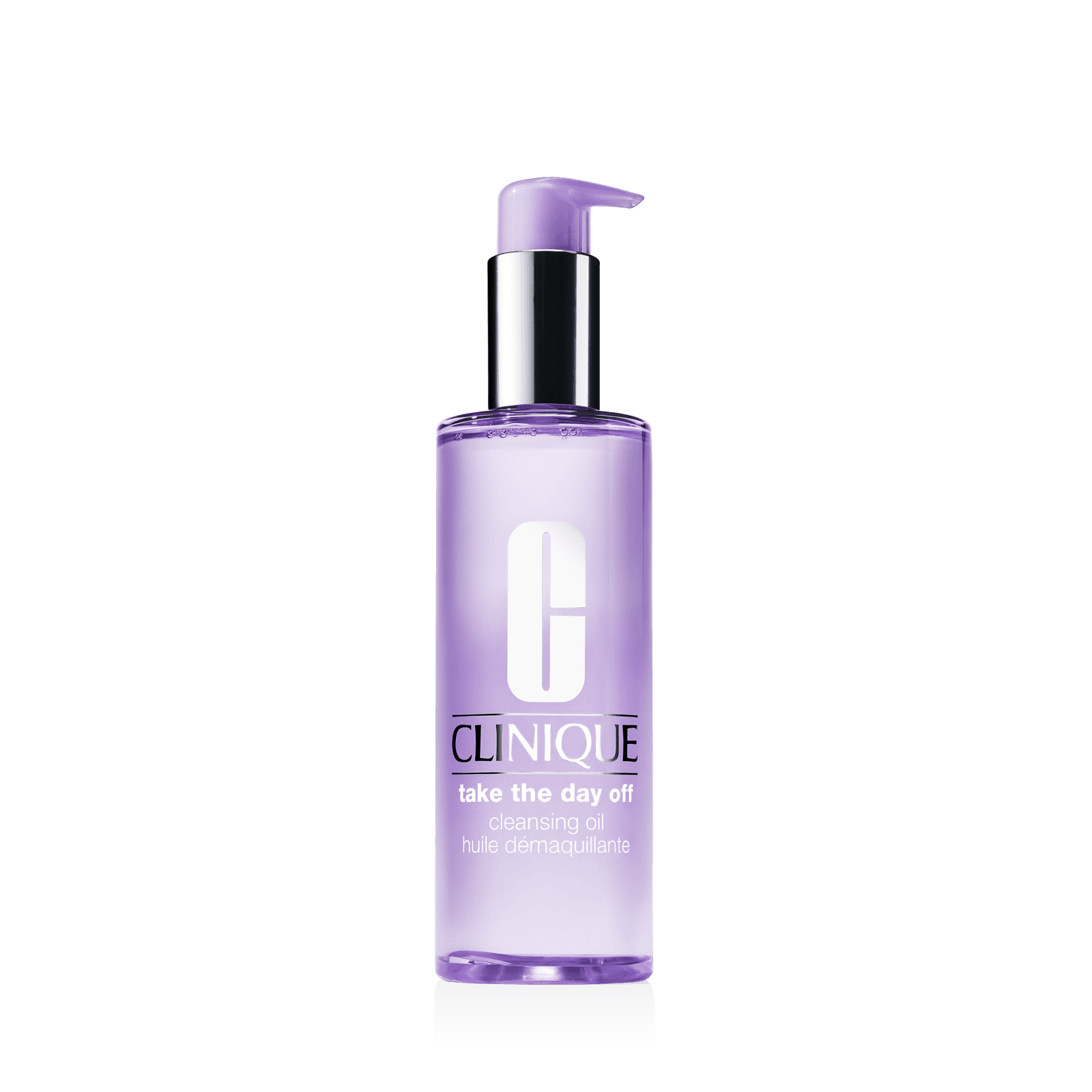
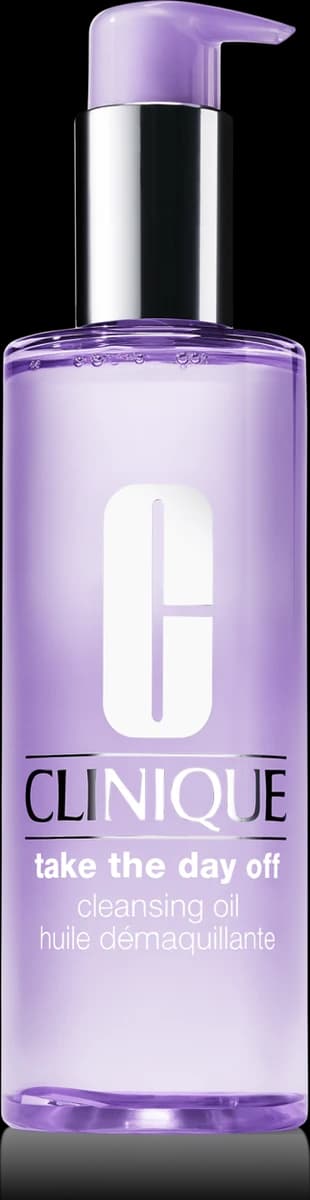 Best oil cleanser for sensitive skinClinique Take The Day Off Cleansing Oil
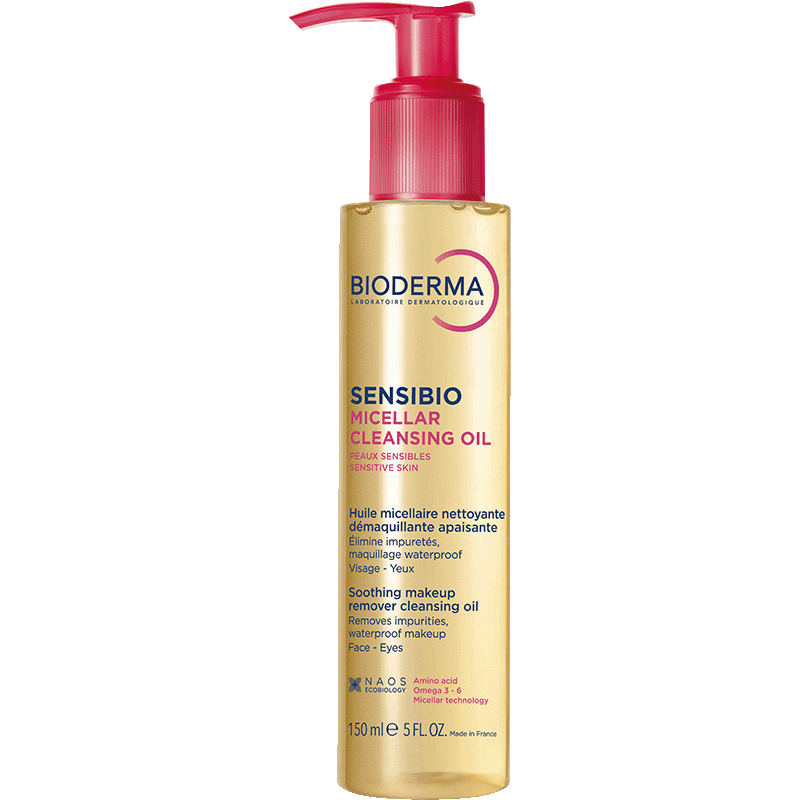
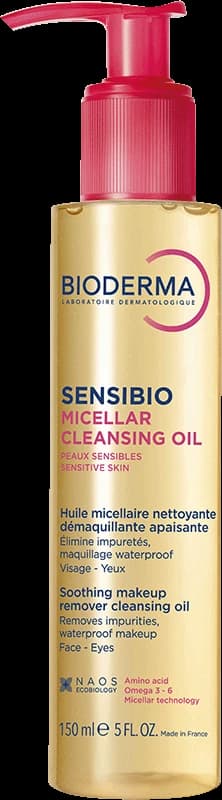 Best oil cleanser for dry skinBioderma Sensibio Micellar Cleansing Oil
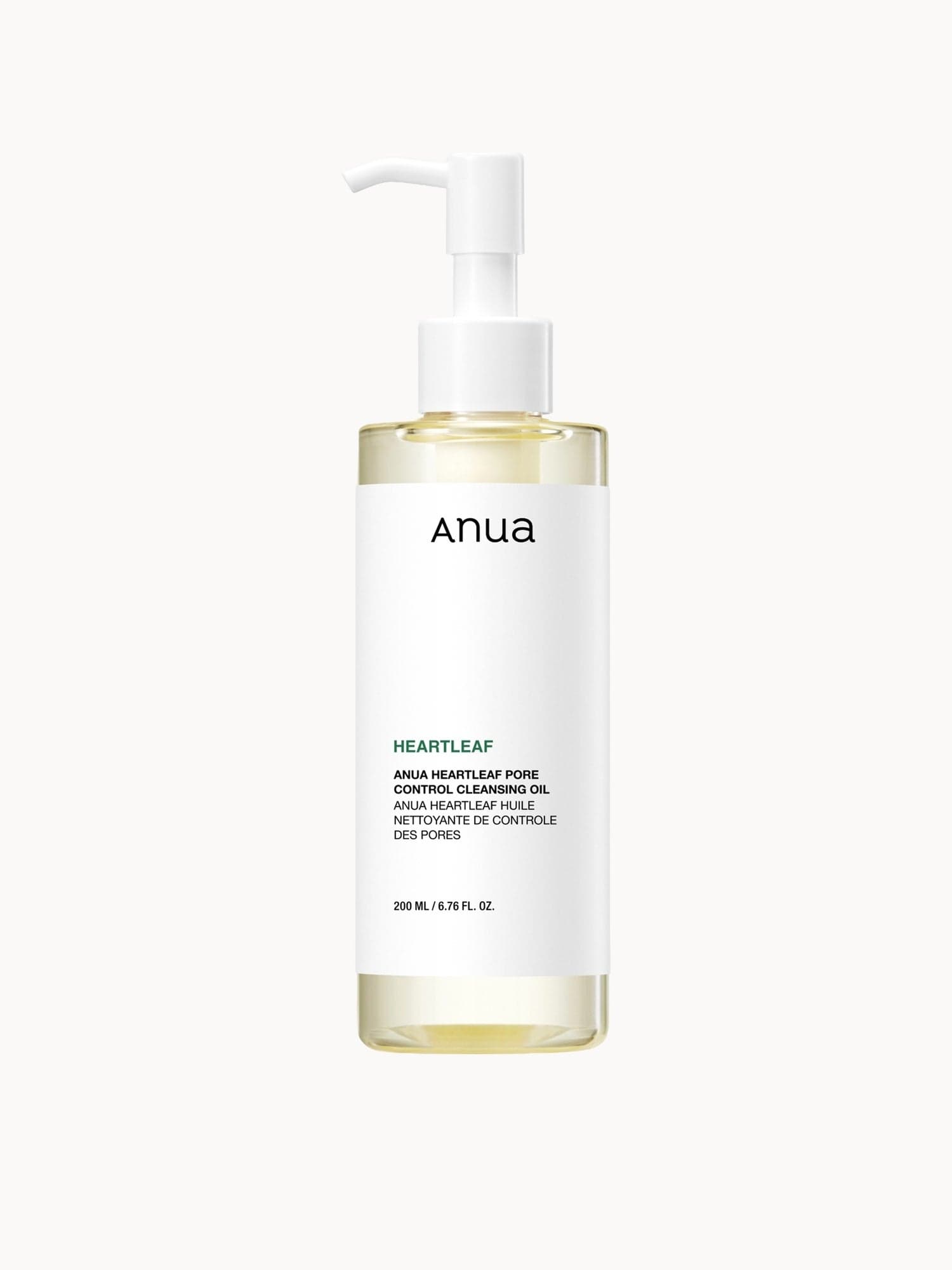
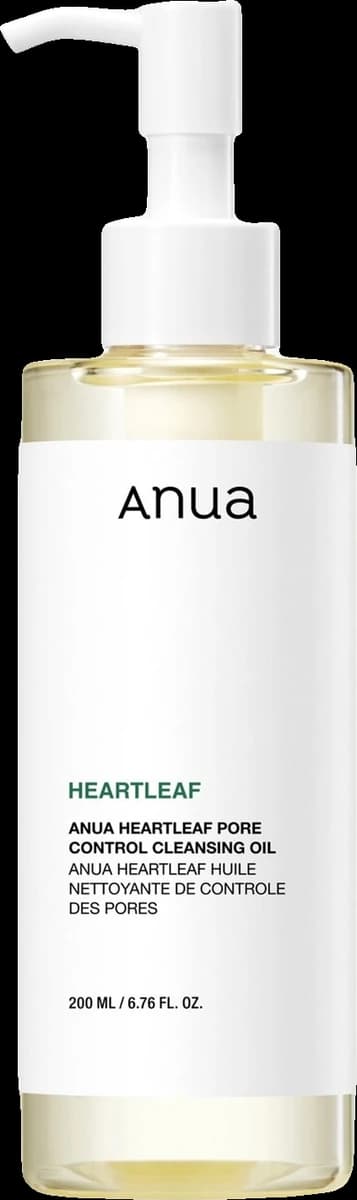 Best oil cleanser for oily skinAnua Heartleaf Pore Control Cleansing Oil
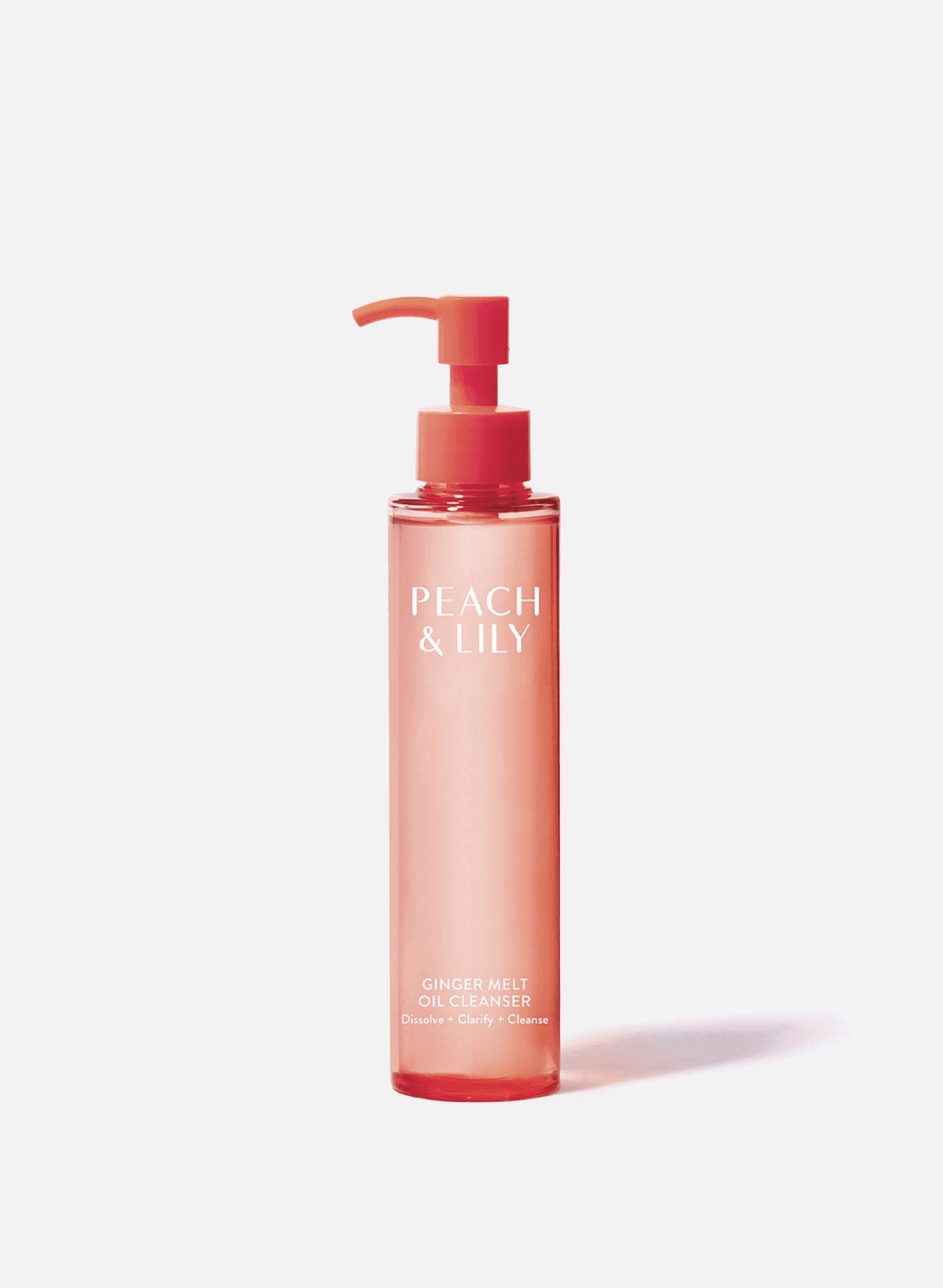
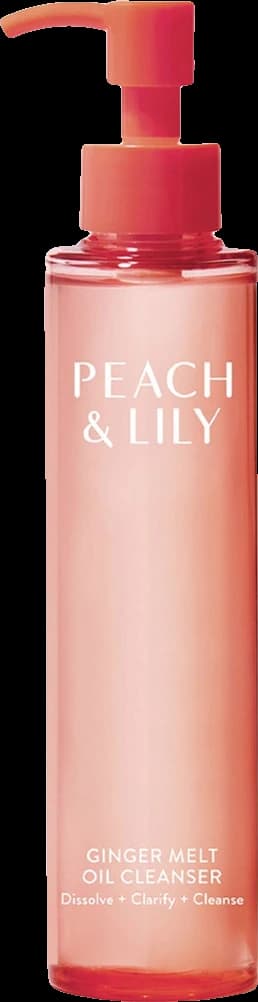 Best oil cleanser for acne-prone skinPeach & Lily Ginger Melt Oil Cleanser
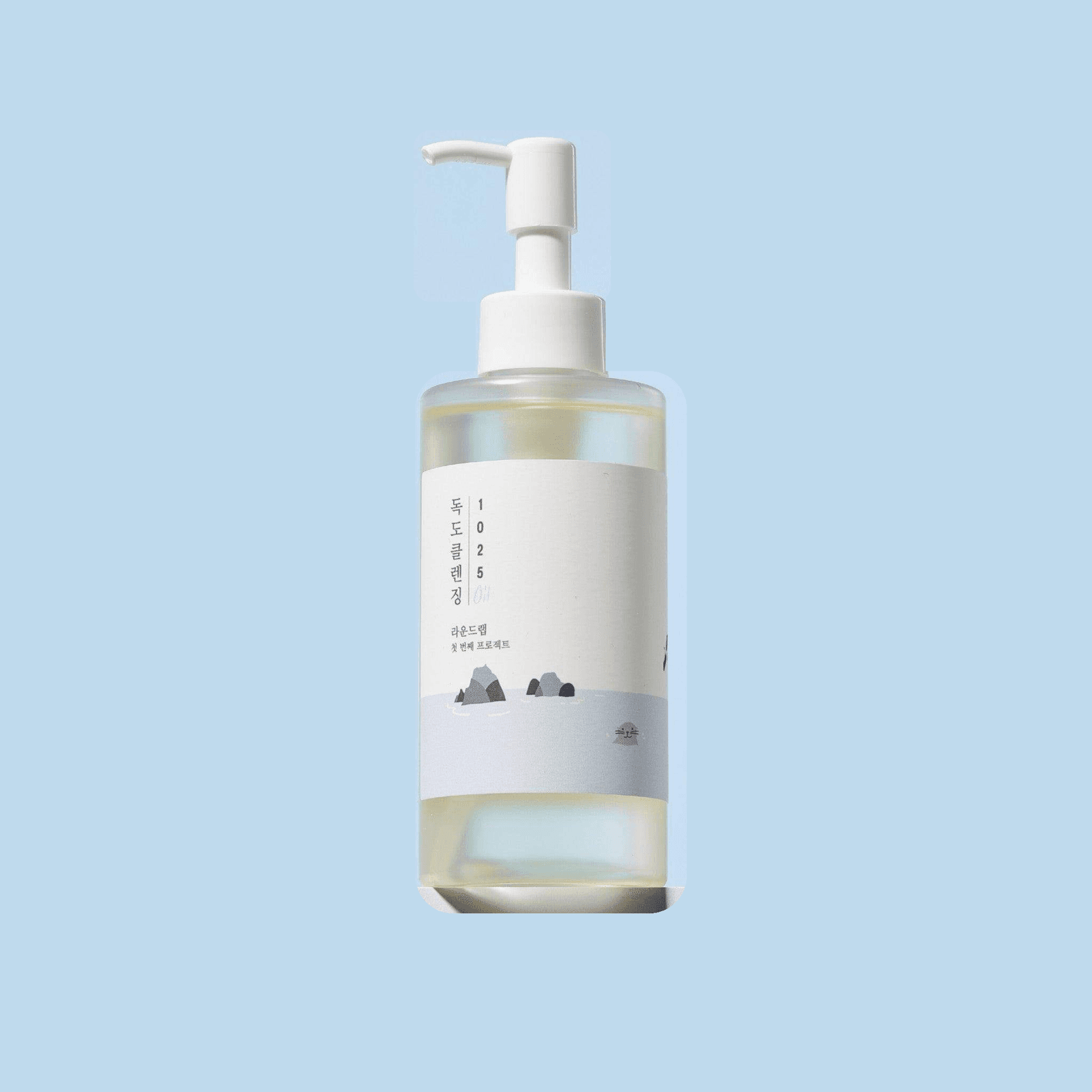
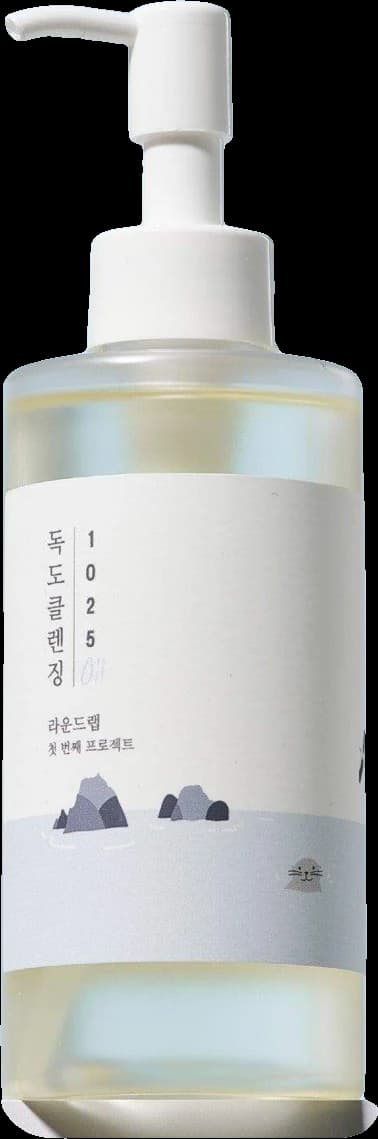 Best Korean cleansing oilRound Lab 1025 Dokdo Cleansing Oil
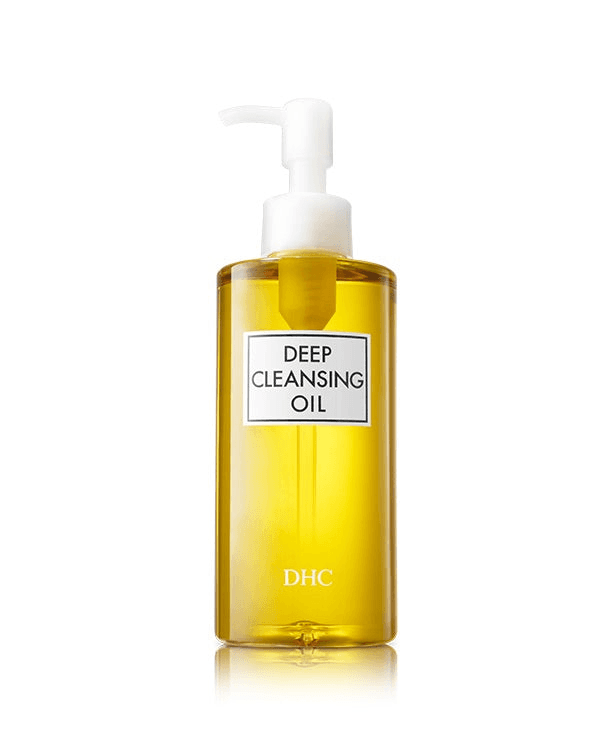
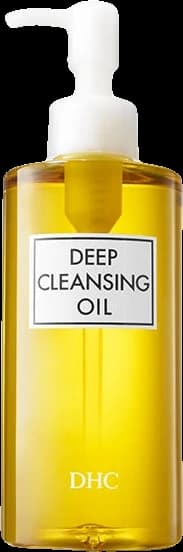 Best Japanese cleansing oilDHC Deep Cleansing Oil
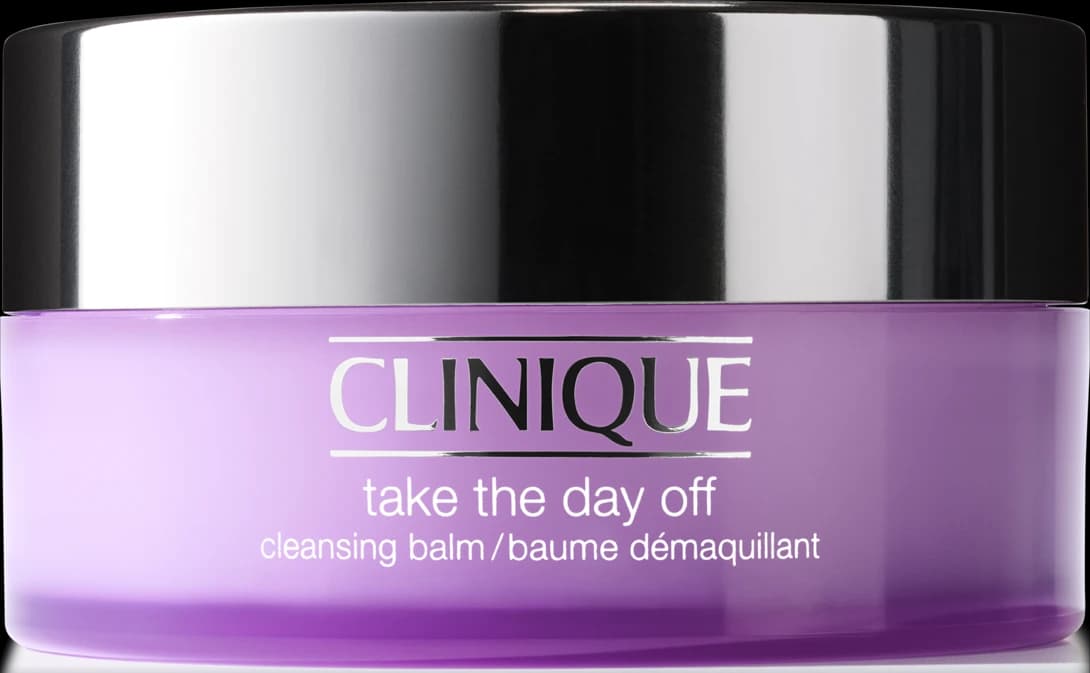 Best cleansing balmClinique Take The Day Off Cleansing Balm
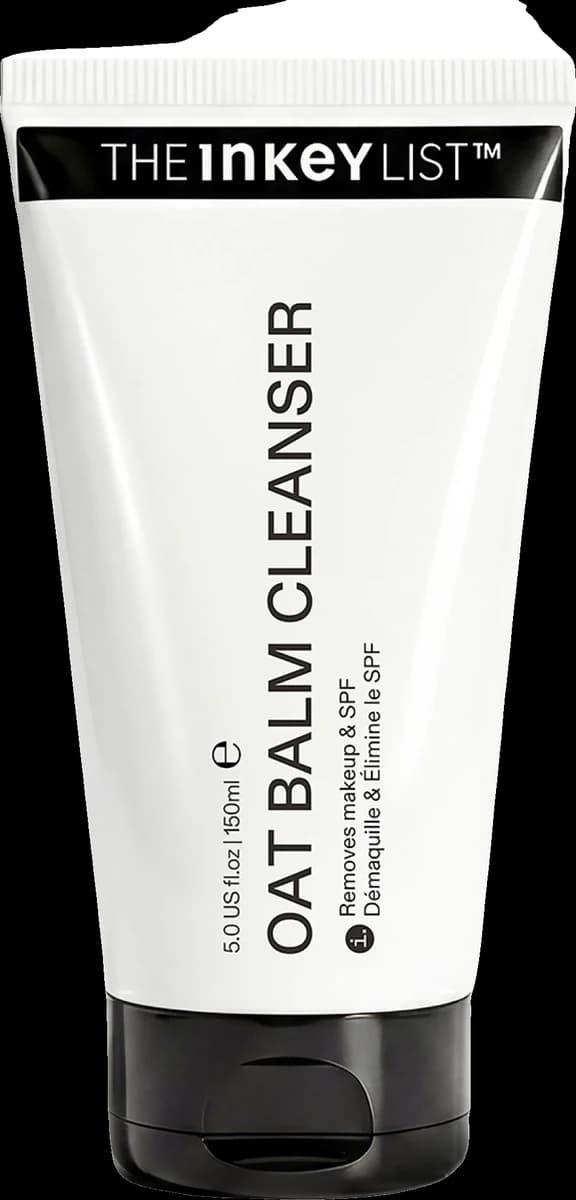 Best budget cleansing balmThe Inkey List Oat Cleansing Balm
The short answer
- The best oil cleanser for most people is haruharu wonder Black Rice Moisture Cleansing Oil: nine ingredients, rice bran oil first, no fragrance, no essential oil and no drying alcohol, and no water.
- For sensitive skin and eyes, Clinique Take The Day Off Cleansing Oil, with no plant oil and no scent of any kind. For dry skin, Bioderma Sensibio Micellar Cleansing Oil; for oily skin, Anua Heartleaf Pore Control Cleansing Oil, though Fragrance is 6th on its list and the American Academy of Dermatology (AAD) says not to use oil-based cleansers on oily skin.
- For acne-prone skin, the AAD’s advice is an oil-free makeup remover. If you use an oil anyway, Peach & Lily Ginger Melt Oil Cleanser lists no fragrance, essential oil, coconut oil, isopropyl myristate or isopropyl palmitate.
- For a Korean oil, Round Lab 1025 Dokdo Cleansing Oil, with its two essential oils near the very end of its list; for a Japanese one, DHC Deep Cleansing Oil. For a balm, Clinique Take The Day Off Cleansing Balm, or The Inkey List Oat Cleansing Balm on a budget.
- Do not stop at “fragrance-free”: DHC’s US page says it and lists rosemary leaf oil, and Allure calls ma:nyo’s oil, the one Google’s top guides name most, fragrance-free, though it lists orange peel, lavender and tea tree oils. In Avina’s catalog, 73% of cleansing oils are scented.
How we chose: we read the 14 guides and four store pages on Google’s first page for “best oil cleanser” and its Korean, oily-skin, acne-prone and sensitive-skin versions, and 29 Reddit threads, then read the current US ingredient list of 28 cleansing oils and balms on the brand’s page or a US store. We favored lists with an emulsifier, the ingredient that lets an oil rinse off in water, and no fragrance or essential oil; where a slot’s favorites all carry scent, we say where it sits. We did not test them on skin. Our method
of the cleansing oils in Avina’s catalog are scented: they list fragrance, an essential oil or another scented plant ingredient, or a named fragrance allergen. Only 30% list fragrance or parfum itself, while 48% list an essential oil or another scented plant ingredient. Six of our nine picks list none of these.
The best oil cleanser for your skin
- Most skin: haruharu wonder Black Rice Moisture Cleansing Oil: no fragrance, no essential oil and no drying alcohol, and no water.
- Sensitive skin or eyes: Clinique Take The Day Off Cleansing Oil, the only pick whose US page says it is safe for contact lens wearers.
- Fragrance-free: haruharu wonder Black Rice Moisture Cleansing Oil, Clinique Take The Day Off Cleansing Oil, Bioderma Sensibio Micellar Cleansing Oil, Peach & Lily Ginger Melt Oil Cleanser, Clinique Take The Day Off Cleansing Balm and The Inkey List Oat Cleansing Balm list no fragrance, essential oil or named fragrance allergen.
- Dry skin: Bioderma Sensibio Micellar Cleansing Oil, or haruharu wonder Black Rice Moisture Cleansing Oil for a plant-oil base.
- Oily or combination skin: The AAD’s oily-skin page says not to use oil-based cleansers; if you want an oil, Anua Heartleaf Pore Control Cleansing Oil, which lists Fragrance; with no fragrance and an ester base (a lab-made oil), Clinique Take The Day Off Cleansing Oil or Peach & Lily Ginger Melt Oil Cleanser.
- Acne-prone skin: The AAD says to use an oil-free makeup remover; if you want an oil, Peach & Lily Ginger Melt Oil Cleanser (see oil cleansers for acne-prone skin).
- A Korean cleansing oil: Round Lab 1025 Dokdo Cleansing Oil; haruharu wonder Black Rice Moisture Cleansing Oil is Korean too.
- A Japanese cleansing oil: DHC Deep Cleansing Oil.
- Waterproof mascara and eyeliner: DHC Deep Cleansing Oil, the only pick whose US page names them.
- A balm: Clinique Take The Day Off Cleansing Balm; on a budget, The Inkey List Oat Cleansing Balm.
- Eczema-prone skin: The Inkey List Oat Cleansing Balm, which carries the National Eczema Association’s seal (NEA).
- Cruelty-free: Peach & Lily Ginger Melt Oil Cleanser (Leaping Bunny) or The Inkey List Oat Cleansing Balm (Cruelty Free International).
Best oil cleanser overall: haruharu wonder Black Rice Moisture Cleansing Oil (Unscented)
Nine ingredients and no water: rice bran oil first, with sorbeth-30 tetraoleate (5th) to rinse it off. No fragrance, no essential oil and no drying alcohol.
- Plant oil first
- Emulsifier listed
- No added fragrance
Good for: haruharu wonder Black Rice Moisture Cleansing Oil (Unscented)
- Anyone who wants no fragrance and no essential oil
- Dry, normal and combination skin
- A first step before a water-based cleanser
Skip it if: haruharu wonder Black Rice Moisture Cleansing Oil (Unscented)
- You want an ester base instead of plant oils
- You react to rice bran or olive oil
- You want a big bottle: it is 150 ml (5.07 fl oz)
Label facts for haruharu wonder Black Rice Moisture Cleansing Oil (Unscented)
- Oil base
- Rice bran oil (1st), caprylic/capric triglyceride (2nd), sunflower seed oil (3rd) and three more
- First oil
- Plant oil
- Emulsifier
- Sorbeth-30 tetraoleate (5th)
- Water
- Water-free
- Added fragrance
- None listed
- Drying alcohol
- None listed
- Supporting
- Vitamin E
- Cruelty-free certified
- No
Read from haruharu wonder's US-facing website on November 3, 2026. Labels list ingredients by amount down to 1%, then in any order, so a position is not a percentage. Formulas change; check your box. Cruelty-free certification: the Leaping Bunny and Cruelty Free International directories on November 3, 2026.
Why we picked it: haruharu wonder Black Rice Moisture Cleansing Oil (Unscented)
Rice bran, sunflower, olive, jojoba and macadamia oils with caprylic/capric triglyceride, one emulsifier, vitamin E and ethylhexylglycerin: nine ingredients in all. Six of the 18 pages on Google’s first page name it, Amazon’s best-seller list among them, and in the Reddit threads we read, 21 of the 26 people who named it backed it and 3 were against it (an r/AsianBeauty thread on oils that don't break you out).
haruharu wonder’s page calls it non-comedogenic certified, but no federal rule defines the term (Boozalis 2018, FDA). The brand names fermented black rice as the key ingredient and describes its rice bran oil as black rice bran oil, yet the list has no black rice extract or ferment. It was sold as Black Rice Moisture Deep Cleansing Oil until a rename; the brand says the formula did not change.
Flaws but not dealbreakers: haruharu wonder Black Rice Moisture Cleansing Oil (Unscented)
- The fermented black rice the brand features is not on the list.
- "Non-comedogenic certified" is the brand's claim.
- Some stores still use the old Deep Cleansing Oil name.
haruharu wonder Black Rice Moisture Cleansing Oil (Unscented)
haruharu wonder Black Rice Moisture Cleansing Oil (Unscented) ingredients (full list of 9, oils and emulsifiers marked)
Oryza Sativa (Rice) Bran Oil, Caprylic/Capric Triglyceride, Helianthus Annuus (Sunflower) Seed Oil, Olea Europaea (Olive) Fruit Oil, Sorbeth-30 Tetraoleate, Simmondsia Chinensis (Jojoba) Seed Oil, Macadamia Integrifolia Seed Oil, Tocopherol, Ethylhexylglycerin
As printed on haruharu wonder's US-facing website on November 3, 2026. The list printed on your box is the one that counts.
Best oil cleanser for sensitive skin: Clinique Take The Day Off Cleansing Oil
Esters and polybutene, no plant oil, rinsed off by PEG-20 glyceryl triisostearate (4th) and two PEG diisostearates. No fragrance, no essential oil and no drying alcohol. Clinique says it is ophthalmologist tested and safe for contact lens wearers.
- Ester first
- Emulsifier listed
- No added fragrance
Good for: Clinique Take The Day Off Cleansing Oil
- Sensitive, reactive or allergy-prone skin
- Eye makeup, and contact lens wearers (Clinique says it is safe for them; we would still take lenses out)
- People who react to plant oils or essential oils
Skip it if: Clinique Take The Day Off Cleansing Oil
- You want a plant-oil formula
- You want a water-free list: water is 8th
- You want a non-comedogenic claim: Clinique makes one for its balm, not this oil
Label facts for Clinique Take The Day Off Cleansing Oil
- Oil base
- Cetyl ethylhexanoate (1st), triethylhexanoin (2nd), polybutene (3rd) and one more
- First oil
- Ester
- Emulsifier
- PEG-20 glyceryl triisostearate (4th), PEG-8 diisostearate (5th) and PEG-12 diisostearate (7th)
- Water
- Water is 8th of 13
- Added fragrance
- None listed
- Drying alcohol
- None listed
- Supporting
- Glycerin and vitamin E
- Cruelty-free certified
- No
Read from Clinique's US website on November 3, 2026. Labels list ingredients by amount down to 1%, then in any order, so a position is not a percentage. Formulas change; check your box. Cruelty-free certification: the Leaping Bunny and Cruelty Free International directories on October 10, 2026.
Why we picked it: Clinique Take The Day Off Cleansing Oil
Of the oils and balms whose US labels we read, it is the only one with no fragrance, no essential oil, no named fragrance allergen and no plant oil at all. Clinique’s US page says it is dermatologist and ophthalmologist tested, allergy tested, and safe for sensitive eyes and for contact lens wearers.
Fragrance allergy usually shows on the face, the armpits or the hands (EU Scientific Committee on Consumer Safety), and fragrance mix, a patch test for common scent chemicals, is one of the top allergens in people with eyelid dermatitis referred for patch testing (Warshaw 2021). For rosacea, the AAD says to choose fragrance-free, not unscented. Not every sensitive-skin pick on Google’s first page is: Marie Claire’s, ma:nyo’s oil, lists three essential oils, and Ulta’s sensitive-skin carousel, captioned as low-fragrance picks, includes Anua’s, which lists Fragrance 6th.
Flaws but not dealbreakers: Clinique Take The Day Off Cleansing Oil
- Not water-free.
- No non-comedogenic claim for the oil (the balm has one).
- Clinique is not certified by Leaping Bunny or Cruelty Free International.
Clinique Take The Day Off Cleansing Oil
Clinique Take The Day Off Cleansing Oil ingredients (full list of 13, oils and emulsifiers marked)
Cetyl Ethylhexanoate, Triethylhexanoin, Polybutene, PEG-20 Glyceryl Triisostearate, PEG-8 Diisostearate, PPG-15 Stearyl Ether, PEG-12 Diisostearate, Water/Aqua/Eau, Tocopheryl Acetate, Glycerin, Caprylyl Glycol, Glyceryl Laurate, BHT
As printed on Clinique's US website on November 3, 2026. The list printed on your box is the one that counts.
Best oil cleanser for dry skin: Bioderma Sensibio Micellar Cleansing Oil
Ethylhexyl palmitate and rapeseed oil, rinsed off by polyglyceryl-4 oleate (3rd), with the humectant sodium PCA 5th. No fragrance, no essential oil and no drying alcohol.
- Ester first
- Emulsifier listed
- No added fragrance
Good for: Bioderma Sensibio Micellar Cleansing Oil
- Dry and sensitive skin (Ulta's listing says especially these)
- People avoiding fragrance and essential oils
- Around the eyes: Bioderma says eye tolerance was tested
Skip it if: Bioderma Sensibio Micellar Cleansing Oil
- You want a water-free oil: water is 4th
- You react to rapeseed (canola) oil
- You mind an oil's own smell: both Reddit users who disliked it named the smell
Label facts for Bioderma Sensibio Micellar Cleansing Oil
- Oil base
- Ethylhexyl palmitate (1st), rapeseed oil (2nd), caprylic/capric triglyceride (7th) and one more
- First oil
- Ester
- Emulsifier
- Polyglyceryl-4 oleate (3rd)
- Water
- Water is 4th of 12
- Added fragrance
- None listed
- Drying alcohol
- None listed
- Supporting
- Vitamin E
- Cruelty-free certified
- No
Read from Ulta's US listing on November 3, 2026. Labels list ingredients by amount down to 1%, then in any order, so a position is not a percentage. Formulas change; check your box. Cruelty-free certification: the Leaping Bunny and Cruelty Free International directories on November 3, 2026.
Why we picked it: Bioderma Sensibio Micellar Cleansing Oil
Ulta’s listing says it suits all skin types, especially dry and sensitive skin. Bioderma’s US page calls it fragrance free and non-comedogenic, with very good skin and eye tolerance in the brand’s own 21-day test of 60 people under dermatological and ophthalmological control. Three of the dry-skin winners on Google’s first page read worse: Sulwhasoo’s lists Fragrance 9th and coconut oil 8th, SKIN1004’s bergamot oil 5th and Anua’s Fragrance 6th. Two read better, and they hold other awards here: haruharu wonder's and Peach & Lily's.
Bioderma’s US page prints no ingredient list, so ours is Ulta’s US listing, which matches our catalog. On Reddit it is a small sample: of the eight people in our threads who named it, two disliked its smell (an r/EuroSkincare thread), though the list has no fragrance.
Flaws but not dealbreakers: Bioderma Sensibio Micellar Cleansing Oil
- Not water-free.
- Bioderma's US page prints no ingredient list; ours is Ulta's.
- Two of the eight Reddit users who named it disliked the smell.
Bioderma Sensibio Micellar Cleansing Oil ingredients (full list of 12, oils and emulsifiers marked)
Ethylhexyl Palmitate, Brassica Campestris (Rapeseed) Seed Oil, Polyglyceryl-4 Oleate, Aqua/Water/Eau, Sodium PCA, Propanediol, Caprylic/Capric Triglyceride, Benzotriazolyl Dodecyl P-Cresol, Tocopherol, Helianthus Annuus (Sunflower) Seed Oil, Laminaria Ochroleuca Extract, Stearyl Glycyrrhetinate
As printed on Ulta's US listing on November 3, 2026. The list printed on your box is the one that counts.
Best oil cleanser for oily skin: Anua Heartleaf Pore Control Cleansing Oil
Water-free, with an ester base and two emulsifiers right behind the first oil (2nd and 3rd). Fragrance is 6th of 22, above every plant oil.
- Ester first
- Emulsifier listed
- Fragrance listed
Good for: Anua Heartleaf Pore Control Cleansing Oil
- Oily and combination skin
- An ester base with no coconut oil or isopropyl myristate
- Amazon's best-selling cleansing oil when we looked, if scent does not bother you
Skip it if: Anua Heartleaf Pore Control Cleansing Oil
- You avoid fragrance
- Acne-prone skin, if you follow the AAD's oil-free makeup remover advice
- Sensitive skin
Label facts for Anua Heartleaf Pore Control Cleansing Oil
- Oil base
- Ethylhexyl palmitate (1st), caprylic/capric triglyceride (4th), butyl avocadate (5th) and six more
- First oil
- Ester
- Emulsifier
- Sorbeth-30 tetraoleate (2nd) and sorbitan sesquioleate (3rd)
- Water
- Water-free
- Added fragrance
- Yes, listed 6th of 22
- Drying alcohol
- None listed
- Supporting
- Vitamin E and heartleaf
- Cruelty-free certified
- No
Read from Anua's US website on November 3, 2026. Labels list ingredients by amount down to 1%, then in any order, so a position is not a percentage. Formulas change; check your box. Cruelty-free certification: the Leaping Bunny and Cruelty Free International directories on October 10, 2026.
Why we picked it: Anua Heartleaf Pore Control Cleansing Oil
Ethylhexyl palmitate, caprylic/capric triglyceride and butyl avocadate, all esters, come before the plant oils, and the list has no coconut oil or isopropyl myristate. It was the top seller in Amazon’s cleansing oil category when we looked on November 3, 2026. Anua’s US page states a 22.8% change in sebum in clinical testing, the brand’s own number. Advice on oil and oily skin is split: the AAD’s oily-skin page says not to use oil-based cleansers, while a Cleveland Clinic dermatologist says the oil step may help remove excess oil (see oil cleansers for oily skin).
The flaw is plain: Fragrance sits above every plant oil, and a US label need not say what is in it (FDA). If your oily skin is also acne-prone, the AAD’s advice is an oil-free makeup remover. Reddit undercounts Anua, since r/AsianBeauty commenters disguise its name, but where people did name it, every negative report was a breakout (an r/AsianBeauty thread on acne-prone skin).
Flaws but not dealbreakers: Anua Heartleaf Pore Control Cleansing Oil
- Fragrance, above every plant oil.
- Every negative Reddit report we found is a breakout.
- The sebum figure is the brand's own test.
Anua Heartleaf Pore Control Cleansing Oil
Anua Heartleaf Pore Control Cleansing Oil ingredients (full list of 22, oils and emulsifiers marked)
Ethylhexyl Palmitate, Sorbeth-30 Tetraoleate, Sorbitan Sesquioleate, Caprylic/Capric Triglyceride, Butyl Avocadate, Fragrance, Helianthus Annuus (Sunflower) Seed Oil, Macadamia Ternifolia Seed Oil, Olea Europaea (Olive) Fruit Oil, Simmondsia Chinensis (Jojoba) Seed Oil, Vitis Vinifera (Grape) Seed Oil, Caprylyl Glycol, Ethylhexylglycerin, Curcuma Longa (Turmeric) Root Extract, Melia Azadirachta Flower Extract, Tocopherol, Melia Azadirachta Leaf Extract, Houttuynia Cordata Extract, Corallina Officinalis Extract, Melia Azadirachta Bark Extract, Moringa Oleifera Seed Oil, Ocimum Sanctum Leaf Extract
As printed on Anua's US website on November 3, 2026. The list printed on your box is the one that counts.
Best oil cleanser for acne-prone skin: Peach & Lily Ginger Melt Oil Cleanser
Cetyl ethylhexanoate first, with three polyglyceryl emulsifiers and glycerin 3rd on the list. No fragrance, no essential oil and no drying alcohol, and no coconut oil or isopropyl myristate.
- Ester first
- Emulsifier listed
- No added fragrance
Good for: Peach & Lily Ginger Melt Oil Cleanser
- Acne-prone skin that still wants an oil for sunscreen and makeup
- Oily and combination skin
- People avoiding fragrance and essential oils
Skip it if: Peach & Lily Ginger Melt Oil Cleanser
- You follow the AAD's oil-free makeup remover advice
- You want a water-free oil: water is 6th
- You want one step: Peach & Lily says to follow it with a water-based cleanser
Label facts for Peach & Lily Ginger Melt Oil Cleanser
- Oil base
- Cetyl ethylhexanoate (1st), hydrogenated polydecene (4th), pentaerythrityl tetraisostearate (7th) and three more
- First oil
- Ester
- Emulsifier
- Polyglyceryl-5 dioleate (2nd), polyglyceryl-5 oleate (8th) and polyglyceryl-6 caprylate (9th)
- Water
- Water is 6th of 25
- Added fragrance
- None listed
- Drying alcohol
- None listed
- Supporting
- Glycerin, centella and licorice
- Cruelty-free certified
- Yes, Leaping Bunny
Read from Peach & Lily's US website on November 3, 2026. Labels list ingredients by amount down to 1%, then in any order, so a position is not a percentage. Formulas change; check your box. Cruelty-free certification: the Leaping Bunny and Cruelty Free International directories on November 3, 2026.
Why we picked it: Peach & Lily Ginger Melt Oil Cleanser
The AAD tells people with acne to use an oil-free makeup remover, so the first answer for acne-prone skin is not an oil. If you use one anyway, this list has fewer red flags than any first-page acne pick whose US label we read. It has no fragrance or essential oil, and no coconut oil or isopropyl myristate, two ingredients often listed as pore-clogging: isopropyl myristate from rabbit-ear tests (Fulton 1984), and coconut oil with a single 1988 case report as the only human evidence we found (Srinivas 1988). Peach & Lily’s directions say to follow it with a water-based cleanser; a Cleveland Clinic dermatologist warns that an oil-based cleanser can break out acne-prone skin, especially used alone.
The first-page acne picks whose US labels we read all list more: Tatcha’s oil lists Parfum, limonene and citral; SKIN1004’s three essential oils; iUNIK’s ylang-ylang oil; and Hanskin’s BHA oil, on Ulta’s US page when we read it on November 3, 2026, starts with water and lists eight essential oils. Peach & Lily’s “no breakouts” line is the brand’s claim, with no study named on its page. The brand is Leaping Bunny certified.
Flaws but not dealbreakers: Peach & Lily Ginger Melt Oil Cleanser
- Not a plain oil: glycerin and sorbitol come before the water.
- No oil cleanser has evidence that it prevents breakouts; "without clogging pores" is the brand's claim.
- Not water-free.
Peach & Lily Ginger Melt Oil Cleanser ingredients (full list of 25, oils and emulsifiers marked)
Cetyl Ethylhexanoate, Polyglyceryl-5 Dioleate, Glycerin, Hydrogenated Polydecene, Sorbitol, Water, Pentaerythrityl Tetraisostearate, Polyglyceryl-5 Oleate, Polyglyceryl-6 Caprylate, Helianthus Annuus (Sunflower) Seed Oil, Vitis Vinifera (Grape) Seed Oil, Camellia Sinensis Seed Oil, Zingiber Officinale (Ginger) Root Extract, Ananas Sativus (Pineapple) Fruit Extract, Centella Asiatica Extract, Lactobacillus/Papaya Fruit Ferment Extract, Calendula Officinalis Flower Extract, Glycyrrhiza Glabra (Licorice) Root Extract, Caprylyl Glycol, Citrus Junos Fruit Extract, Chamomilla Recutita (Matricaria) Flower Extract, Caprylhydroxamic Acid, Butylene Glycol, 1,2-Hexanediol, Ethylhexylglycerin
As printed on Peach & Lily's US website on November 3, 2026. The list printed on your box is the one that counts.
Best Korean cleansing oil: Round Lab 1025 Dokdo Cleansing Oil
An ester base with six plant oils, panthenol, allantoin and a ceramide. Its two essential oils, bergamot and sage, sit 31st and 32nd of 35.
- Ester first
- Emulsifier listed
- Scented extracts
Good for: Round Lab 1025 Dokdo Cleansing Oil
- A popular Korean oil with its scent near the very end of the list
- Normal, combination and sensitive-leaning skin that tolerates a little scent
- A lightweight oil, in Round Lab's words, with panthenol and allantoin
Skip it if: Round Lab 1025 Dokdo Cleansing Oil
- You avoid all essential oils
- You want a water-free oil: water is 5th
- You expect much from the ceramide and hyaluronic acid: they sit far down the list
Label facts for Round Lab 1025 Dokdo Cleansing Oil
- Oil base
- Ethylhexyl stearate (1st), diisostearyl malate (3rd), evening primrose oil (6th) and six more
- First oil
- Ester
- Emulsifier
- Sorbeth-30 tetraoleate (2nd)
- Water
- Water is 5th of 35
- Added fragrance
- None listed, but the label includes citrus aurantium bergamia fruit oil, salvia officinalis oil, limonene and linalool
- Drying alcohol
- None listed
- Supporting
- Ceramide, panthenol, allantoin, hyaluronic acid and vitamin E
- Cruelty-free certified
- No
Read from Round Lab's US website on November 3, 2026. Labels list ingredients by amount down to 1%, then in any order, so a position is not a percentage. Formulas change; check your box. Cruelty-free certification: the Leaping Bunny and Cruelty Free International directories on October 10, 2026.
Why we picked it: Round Lab 1025 Dokdo Cleansing Oil
Our overall pick is Korean too and lists no scent at all. Among the other Korean oils we read, Round Lab’s puts its scent nearest the end of its list: the brand’s page says the scent is bergamot and sage oil, and they come 31st and 32nd of 35, after the plant oils, the ceramide and the amino acids. The big Korean names list scent higher: ma:nyo’s orange peel oil is 8th, SKIN1004’s bergamot oil 5th, Anua’s Fragrance 6th and Sulwhasoo’s Fragrance 9th.
Allure’s and Marie Claire’s Korean guides both name it, and in the Reddit threads we read, 18 of the 19 people who named it backed it (an r/AsianBeauty thread on pores). Round Lab’s own “Show full ingredients” tab is cut off at the front; the full list, which we used, is in the product description.
Flaws but not dealbreakers: Round Lab 1025 Dokdo Cleansing Oil
- Bergamot and sage oils, with limonene and linalool.
- Not water-free.
- Round Lab's own ingredient tab is cut off.
Round Lab 1025 Dokdo Cleansing Oil ingredients (full list of 35, oils and emulsifiers marked)
Ethylhexyl Stearate, Sorbeth-30 Tetraoleate, Diisostearyl Malate, Ethylhexylglycerin, Water, Oenothera Biennis (Evening Primrose) Oil, Limnanthes Alba (Meadowfoam) Seed Oil, Persea Gratissima (Avocado) Oil, Vitis Vinifera (Grape) Seed Oil, Canola Oil, Macadamia Integrifolia Seed Oil, Sea Water, Butylene Glycol, Allantoin, Panthenol, 1,2-Hexanediol, Caprylic/Capric Triglyceride, Phosphatidylcholine, Hyaluronic Acid, Ceramide NP, Glycine, Hydrolyzed Hyaluronic Acid, Glutamic Acid, Serine, Sodium Hyaluronate, Lysine, Alanine, Arginine, Threonine, Proline, Citrus Aurantium Bergamia (Bergamot) Fruit Oil, Salvia Officinalis (Sage) Oil, Tocopherol, Limonene, Linalool
As printed on Round Lab's US website on November 3, 2026. The list printed on your box is the one that counts.
Best Japanese cleansing oil: DHC Deep Cleansing Oil
Eight ingredients and no water, olive fruit oil first. No added fragrance, but rosemary leaf oil is 7th of 8.
- Plant oil first
- Emulsifier listed
- Scented extracts
Good for: DHC Deep Cleansing Oil
- Dry and normal skin
- Waterproof mascara and eyeliner, which DHC's US page says it removes
- A short list
Skip it if: DHC Deep Cleansing Oil
- You react to rosemary or other essential oils
- You want a thin oil: it is olive oil first
- You avoid the brand over its then chief executive's 2020 remarks
Label facts for DHC Deep Cleansing Oil
- Oil base
- Olive fruit oil (1st) and caprylic/capric triglyceride (2nd)
- First oil
- Plant oil
- Emulsifier
- Sorbeth-30 tetraoleate (3rd)
- Water
- Water-free
- Added fragrance
- None listed, but the label includes rosmarinus officinalis leaf oil
- Drying alcohol
- None listed
- Supporting
- Vitamin E
- Cruelty-free certified
- No
Read from DHC's US website on November 3, 2026. Labels list ingredients by amount down to 1%, then in any order, so a position is not a percentage. Formulas change; check your box. Cruelty-free certification: the Leaping Bunny and Cruelty Free International directories on November 3, 2026.
Why we picked it: DHC Deep Cleansing Oil
Olive fruit oil, caprylic/capric triglyceride and sorbeth-30 tetraoleate, with vitamin E and stearyl glycyrrhetinate, a licorice-derived ingredient. After KOSE’s Softymo line, DHC is the brand the Reddit threads we read name most, 112 people (an r/30PlusSkinCare thread). Reddit’s favorite, KOSE’s Softymo Speedy, has no US label to read, and Hada Labo’s Gokujyun oil is hard to find, commenters say (see also considered).
DHC calls it fragrance-free, and it lists no added fragrance, but rosemary leaf oil is on the list and the page mentions a rosemary aroma. The EU’s scientific committee puts rosemary among the plant extracts with limited evidence of contact allergy (SCCS 2012). Some Reddit users avoid DHC over its then chief executive’s 2020 remarks about Korean people (an r/30PlusSkinCare thread, BBC News).
Flaws but not dealbreakers: DHC Deep Cleansing Oil
- Rosemary leaf oil, though the brand says fragrance-free.
- An olive oil base, heavier than the ester oils.
- DHC is not certified by Leaping Bunny or Cruelty Free International.
DHC Deep Cleansing Oil
DHC Deep Cleansing Oil ingredients (full list of 8, oils and emulsifiers marked)
Olea Europaea (Olive) Fruit Oil, Caprylic/Capric Triglyceride, Sorbeth-30 Tetraoleate, Pentylene Glycol, Tocopherol, Stearyl Glycyrrhetinate, Rosmarinus Officinalis (Rosemary) Leaf Oil, Phenoxyethanol
As printed on DHC's US website on November 3, 2026. The list printed on your box is the one that counts.
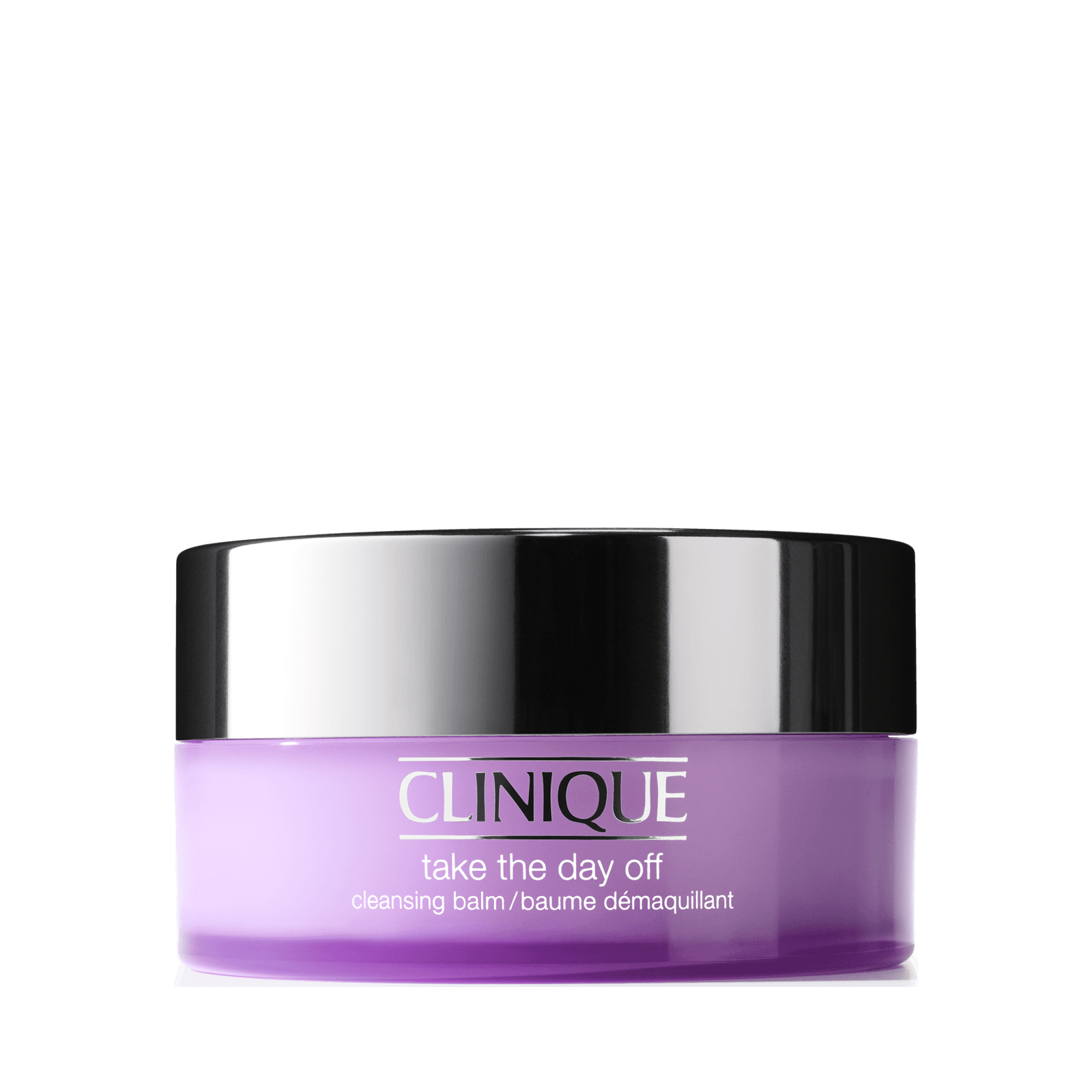
Best cleansing balm: Clinique Take The Day Off Cleansing Balm
Nine ingredients: ethylhexyl palmitate, safflower seed oil and caprylic/capric triglyceride, set solid with polyethylene and rinsed off by two emulsifiers. No fragrance, no essential oil and no drying alcohol.
- Ester first
- Emulsifier listed
- No added fragrance
Good for: Clinique Take The Day Off Cleansing Balm
- People who prefer a balm to a liquid oil
- Sensitive skin and eyes (Clinique says it is safe for them)
- Travel: a balm cannot spill
Skip it if: Clinique Take The Day Off Cleansing Balm
- You dislike scooping from a jar
- You want a plant-oil-only formula
- You avoid polyethylene
Label facts for Clinique Take The Day Off Cleansing Balm
- Oil base
- Ethylhexyl palmitate (1st), safflower seed oil (2nd) and caprylic/capric triglyceride (3rd)
- First oil
- Ester
- Emulsifier
- Sorbeth-30 tetraoleate (4th) and PEG-5 glyceryl triisostearate (6th)
- Water
- Water is 7th of 9
- Added fragrance
- None listed
- Drying alcohol
- None listed
- Supporting
- Vitamin E
- Cruelty-free certified
- No
Read from Clinique's US website on November 3, 2026. Labels list ingredients by amount down to 1%, then in any order, so a position is not a percentage. Formulas change; check your box. Cruelty-free certification: the Leaping Bunny and Cruelty Free International directories on October 10, 2026.
Why we picked it: Clinique Take The Day Off Cleansing Balm
Clinique’s US page says non-comedogenic and non-acnegenic, dermatologist, ophthalmologist and allergy tested, and safe for sensitive skin and eyes, all the brand’s own claims. In the Reddit threads we read, 35 of the 45 people who named it backed it, the second most-backed balm after Banila Co’s Clean It Zero; in one r/30PlusSkinCare thread, all 10 who named it did (2022).
It beat Banila Co’s balm, which lists Fragrance 11th (see also considered). Some Reddit users believe the original balm was replaced by a charcoal one (an r/Sephora thread); Clinique’s US site sold both when we looked on November 3, 2026.
Flaws but not dealbreakers: Clinique Take The Day Off Cleansing Balm
- Jar packaging.
- Not water-free.
- Some Reddit users think it was discontinued; it was not.
Clinique Take The Day Off Cleansing Balm
Clinique Take The Day Off Cleansing Balm ingredients (full list of 9, oils and emulsifiers marked)
Ethylhexyl Palmitate, Carthamus Tinctorius (Safflower) Seed Oil, Caprylic/Capric Triglyceride, Sorbeth-30 Tetraoleate, Polyethylene, PEG-5 Glyceryl Triisostearate, Water/Aqua/Eau, Tocopherol, Phenoxyethanol
As printed on Clinique's US website on November 3, 2026. The list printed on your box is the one that counts.
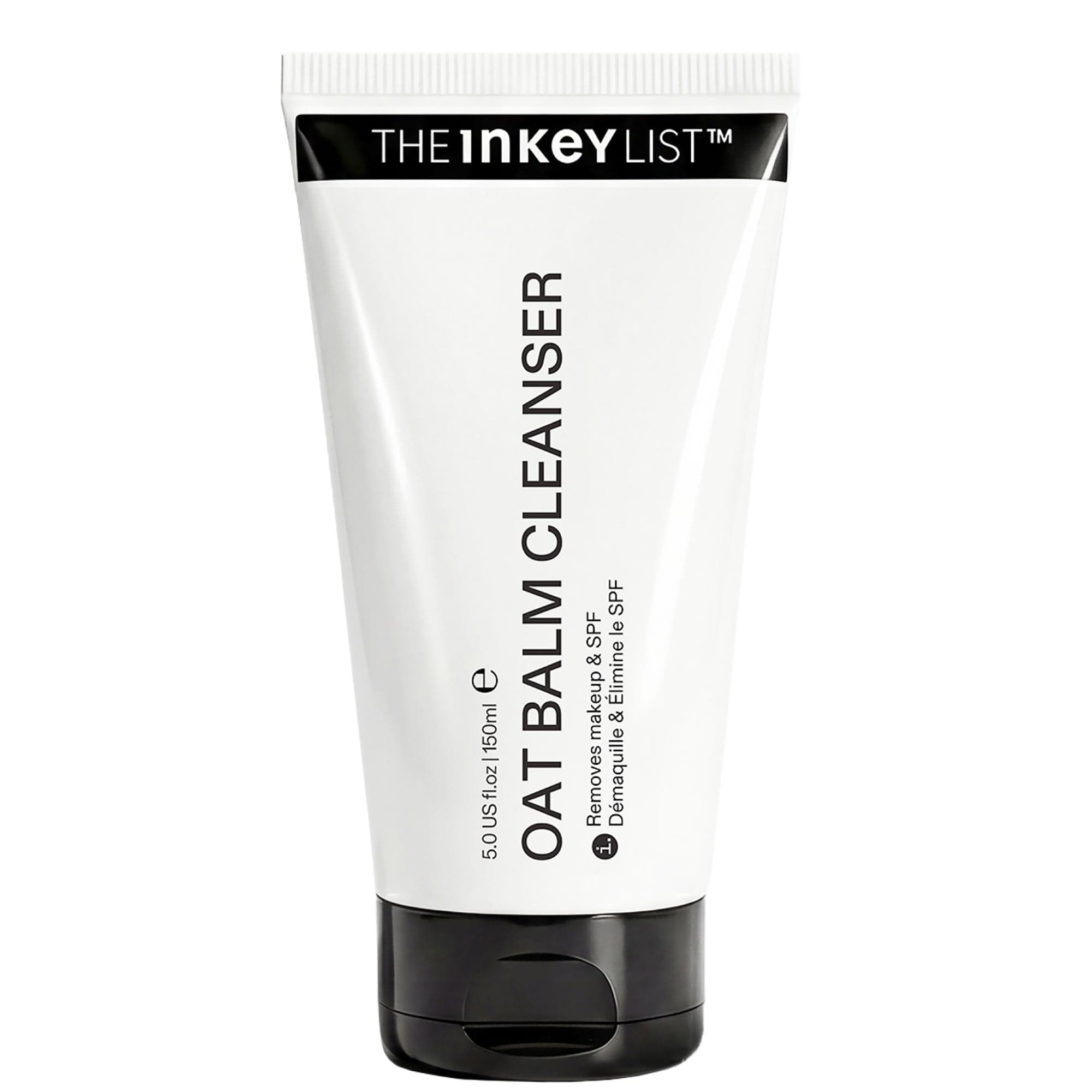
Best budget cleansing balm: The Inkey List Oat Cleansing Balm
Sweet almond and oat kernel oils in a wax-set balm with five emulsifiers. No fragrance, no essential oil and no drying alcohol; The Inkey List states 5% oat kernel oil.
- Plant oil first
- Emulsifier listed
- No added fragrance
Good for: The Inkey List Oat Cleansing Balm
- A fragrance-free balm on a budget
- Dry and sensitive skin
- Eczema-prone skin: its tube carries the National Eczema Association's Accepted seal
Skip it if: The Inkey List Oat Cleansing Balm
- You have a tree-nut allergy: sweet almond oil is first
- You want a light balm: two Reddit users called it heavy
- You want a water-free balm: water is 12th
Label facts for The Inkey List Oat Cleansing Balm
- Oil base
- Sweet almond oil (1st), oat kernel oil (3rd), seaberry fruit oil (13th) and one more
- First oil
- Plant oil
- Emulsifier
- PEG-20 glyceryl triisostearate (2nd), sorbitan olivate (6th), polyglyceryl-10 stearate (7th), polyglyceryl-6 caprylate (8th) and polyglyceryl-4 caprate (9th)
- Water
- Water is 12th of 18
- Added fragrance
- None listed
- Drying alcohol
- None listed
- Supporting
- Oat and vitamin E
- Cruelty-free certified
- Yes, Cruelty Free International
Read from The Inkey List's US website on November 3, 2026. Labels list ingredients by amount down to 1%, then in any order, so a position is not a percentage. Formulas change; check your box. Cruelty-free certification: the Leaping Bunny and Cruelty Free International directories on October 10, 2026.
Why we picked it: The Inkey List Oat Cleansing Balm
The Inkey List’s US page says fragrance-free, non-comedogenic and ophthalmologist tested. The National Eczema Association’s seal asks for a fragrance-free formula without the ingredients the NEA flags for eczema, plus a safety test its panel reviews; it is not a test of results (NEA). The brand is certified by Cruelty Free International, and in the Reddit threads we read, 26 people backed it and 3 were against it (an r/Makeup thread), all in threads from 2022 to 2025, so they may describe the older formula.
It beat e.l.f.’s Holy Hydration balm, the other budget favorite in our threads, whose US page lists fragrance, geraniol and linalool (read November 3, 2026). The Inkey List reformulated it: its US page says oat kernel oil rose from 3% to 5%, and the new tube says Oat Balm Cleanser.
Flaws but not dealbreakers: The Inkey List Oat Cleansing Balm
- Sweet almond oil first; the brand warns it contains nuts.
- Reformulated: older tubes say Oat Cleansing Balm.
- Two Reddit users called it heavy.
The Inkey List Oat Cleansing Balm ingredients (full list of 18, oils and emulsifiers marked)
Prunus Amygdalus Dulcis (Sweet Almond) Oil, PEG-20 Glyceryl Triisostearate, Avena Sativa (Oat) Kernel Oil, Cera Microcristallina, Helianthus Annuus (Sunflower) Seed Wax, Sorbitan Olivate, Polyglyceryl-10 Stearate, Polyglyceryl-6 Caprylate, Polyglyceryl-4 Caprate, Jojoba Esters, Phenoxyethanol, Aqua (Water), Hippophae Rhamnoides (Seaberry) Fruit Oil, Tocopherol, Polyglycerin-3, Acacia Decurrens (Early Green Wattle) Flower Wax, Helianthus Annuus (Sunflower) Seed Oil, Ascorbyl Palmitate
As printed on The Inkey List's US website on November 3, 2026. The list printed on your box is the one that counts.
Every pick, side by side
| Pick | Oil base (list position) | Emulsifier | Added fragrance | Water | After it, per the brand | Where to buy |
|---|---|---|---|---|---|---|
 haruharu wonder Black Rice Moisture Cleansing Oil (Unscented)Best oil cleanser overall | Rice bran oil (1st), caprylic/capric triglyceride (2nd) and four more | Sorbeth-30 tetraoleate (5th) | None listed | Water-free | Optional: the brand suggests its gel cleanser | |
 Clinique Take The Day Off Cleansing OilBest oil cleanser for sensitive skin | Cetyl ethylhexanoate (1st), triethylhexanoin (2nd) and two more | PEG-20 glyceryl triisostearate (4th), PEG-8 diisostearate (5th) and one more | None listed | 8th of 13 | Not stated | |
 Bioderma Sensibio Micellar Cleansing OilBest oil cleanser for dry skin | Ethylhexyl palmitate (1st), rapeseed oil (2nd) and two more | Polyglyceryl-4 oleate (3rd) | None listed | 4th of 12 | Not stated | No store link |
 Anua Heartleaf Pore Control Cleansing OilBest oil cleanser for oily skin | Ethylhexyl palmitate (1st), caprylic/capric triglyceride (4th) and seven more | Sorbeth-30 tetraoleate (2nd) and sorbitan sesquioleate (3rd) | Yes | Water-free | A water-based cleanser | |
 Peach & Lily Ginger Melt Oil CleanserBest oil cleanser for acne-prone skin | Cetyl ethylhexanoate (1st), hydrogenated polydecene (4th) and four more | Polyglyceryl-5 dioleate (2nd), polyglyceryl-5 oleate (8th) and one more | None listed | 6th of 25 | A water-based cleanser | No store link |
 Round Lab 1025 Dokdo Cleansing OilBest Korean cleansing oil | Ethylhexyl stearate (1st), diisostearyl malate (3rd) and seven more | Sorbeth-30 tetraoleate (2nd) | No, but scented ingredients | 5th of 35 | Not stated | No store link |
 DHC Deep Cleansing OilBest Japanese cleansing oil | Olive fruit oil (1st) and caprylic/capric triglyceride (2nd) | Sorbeth-30 tetraoleate (3rd) | No, but scented ingredients | Water-free | A foaming cleanser | |
 Clinique Take The Day Off Cleansing BalmBest cleansing balm | Ethylhexyl palmitate (1st), safflower seed oil (2nd) and one more | Sorbeth-30 tetraoleate (4th) and PEG-5 glyceryl triisostearate (6th) | None listed | 7th of 9 | A Clinique cleanser, for a double cleanse | |
 The Inkey List Oat Cleansing BalmBest budget cleansing balm | Sweet almond oil (1st), oat kernel oil (3rd) and two more | PEG-20 glyceryl triisostearate (2nd), sorbitan olivate (6th) and three more | None listed | 12th of 18 | Optional: the brand calls it a good first step | No store link |
Every pick lists an emulsifier and none lists a drying alcohol (such as alcohol denat.), so the table has no drying alcohol column. Three picks carry some scent: Anua lists Fragrance, and Round Lab and DHC list essential oils.
What is a cleansing oil, and how does it work?
A cleansing oil is an oil plus an emulsifier. The oil dissolves oily makeup and sunscreen; the emulsifier, a molecule with an oil-loving end and a water-loving end, breaks the oil into tiny droplets when you add water, so it turns milky and rinses off (Lab Muffin, a cosmetic chemist's site). The cosmetics industry’s ingredient database lists PEG-20 glyceryl triisostearate, the emulsifier in Clinique’s oil and The Inkey List’s balm, as an emulsifying surfactant (COSMILE, run by Cosmetics Europe). Plain oil has no emulsifier, so it does not rinse off this way, which is the difference from the “oil cleansing method” with kitchen oils.
In Avina’s catalog, at least 70% of the cleansing oils list an emulsifier (our count misses a few kinds, hence “at least”), and every one of our picks does. The base is one of three kinds, and every card names it in its First oil row: mineral oil, a plant oil, or an ester, a lab-made oil such as ethylhexyl palmitate or cetyl ethylhexanoate. Only 3% of the cleansing oils in our catalog list mineral oil first; three of our picks start with a plant oil and six with an ester. A list runs by amount only down to 1%, after which ingredients may come in any order (21 CFR 701.3), so a position is not a percentage.
Do oil cleansers work? What the studies show
For sunscreen, yes, in one small study. In 20 volunteers, a cleansing oil took off a waterproof sunscreen nearly to bare-skin levels, while a foaming cleanser left more than a third of it behind (36.8%). For a sunscreen that was not waterproof, the two did about as well, and eight people said their skin felt dry after the foaming cleanser, against one after the oil (Chen 2020). The study used one sunscreen of each type, brands not named; its authors work at two hospitals in Chengdu, and it names no company. For sunscreens to wash off, see our Korean sunscreens and sunscreens for acne-prone skin.
For acne, too few well-done studies of washing and cleansers exist for reliable advice (Stringer 2018), and we found no trial showing that a cleansing oil prevents or causes breakouts. Nor did we find a trial comparing an oil followed by a cleanser with a single cleanser.
On rubbing, the one trial we found comes from a company that makes cleansing oils. In a four-week trial run by Kao, 35 women with mild facial eczema who switched to a stronger-cleansing oil that needed less rubbing had less dryness and redness, with no comparison group (Hosokawa 2021). We found no study showing that a cleansing oil removes blackheads or sebaceous filaments; figures such as haruharu wonder’s 66.49% blackhead cleansing are the brands’ own tests, and its page, read on November 3, 2026, gives no panel size.
What to look for on a cleansing oil label: five things
- An emulsifier near the top. Sorbeth-30 tetraoleate, a PEG glyceryl ester such as PEG-20 glyceryl triisostearate, or a polyglyceryl or sorbitan ester. It is what turns the oil milky in water so it rinses clean (Lab Muffin). Every pick lists one in its first five ingredients, and each card names it.
- No fragrance, and no essential oils either. A US label can group a whole scent under the one word fragrance (FDA). A 2022 law requires labels to name fragrance allergens once the FDA writes the rule (21 U.S.C. 364e), and the FDA had not proposed it when we checked on November 3, 2026; its agenda lists the proposal for November 2026 (Unified Agenda). A product sold as fragrance-free can still list essential oils: DHC’s US page says fragrance-free and its list has rosemary leaf oil 7th; iUNIK’s store page says no fragrance beside ylang-ylang oil 7th. Bergamot, orange peel, lavender, geranium, rose and ylang-ylang oils are on the EU scientific committee’s list of established contact allergens (SCCS 2012), and nearly 80 essential oils have caused contact allergy, mostly from pure oils or strong products (de Groot 2016). Among best-selling whole-body moisturizers, 45% of those sold as fragrance-free (18 products) still held a fragrance-related ingredient (Xu 2017).
- The first oil. Each card’s First oil row says mineral oil, plant oil or ester. None of our picks starts with mineral oil; we found no human study showing that mineral oil in a rinse-off cleanser clogs pores. One root of the idea is rabbit-ear work that used “a strongly comedogenic mineral oil” to clog follicles (Zimmermann 1990); the grade of that oil is not given. The AAD lists mineral oil among ingredients to look for in creams and ointments for dry skin.
- Coconut oil, isopropyl myristate or isopropyl palmitate, if you break out easily. The isopropyl esters got their pore-clogging names in rabbit-ear tests (Fulton 1984, Nguyen 2007). The rabbit ear reacts more than human skin, though substances that clogged rabbit pores moderately to strongly also clogged pores on human backs under a patch (Mills and Kligman 1982), and in a six-person test, finished products with such ingredients were not necessarily pore-clogging (Draelos 2006). For coconut oil in people, the one report we found is a single 1988 case (Srinivas 1988), though a Cleveland Clinic dermatologist still calls it highly comedogenic and generally not recommended on the face. None of our picks lists any of the three; Sulwhasoo’s oil lists isopropyl palmitate 3rd and coconut oil 8th, and Beauty of Joseon’s hydrogenated coconut oil 7th. Fulton’s paper also names octyl palmitate and octyl stearate, today’s ethylhexyl palmitate and ethylhexyl stearate: the first leads Bioderma’s, Anua’s and Clinique’s balm lists, the second Round Lab’s. We did not rule those out; Peach & Lily Ginger Melt Oil Cleanser, our acne-prone pick, lists neither.
- “Non-comedogenic” is the brand’s word. No federal rule defines it (Boozalis 2018), and the FDA keeps no list of approved cosmetic claims (FDA); “hypoallergenic” is the same (FDA). Among our picks, haruharu wonder, Bioderma, Anua, Clinique (for its balm) and The Inkey List say it on their US pages.
The cards also say whether water is listed: six of our nine picks list some. A little water low on a list is not a flaw by itself. To read the rest of a label, see how to read an ingredient list.
Oil cleanser for acne-prone skin: what the AAD says
The AAD’s advice for people with acne is plain: take off all makeup, eye makeup included, before bed with an oil-free makeup remover, then wash with a gentle cleanser, without scrubbing (AAD). A cleansing oil is not oil-free, so the first answer for acne-prone skin is not an oil. A Cleveland Clinic dermatologist also says an oil-based cleanser can cause breakouts in acne-prone skin, especially used alone.
If you still want an oil, for sunscreen or long-wear makeup, pick one with no fragrance or essential oil and no coconut oil, isopropyl myristate or isopropyl palmitate, and follow it with a gentle water-based cleanser. Our pick, Peach & Lily Ginger Melt Oil Cleanser, lists none of them, and Peach & Lily’s own directions add the second wash. The AAD’s advice to give a product 6 to 8 weeks before you judge it is for acne treatments (AAD), and an oil cleanser is not one.
In the Reddit threads we read, breakouts were the most common complaint, raised by 94 people about a named oil or balm or about oil cleansers in general, and in a thread about using an oil alone, seven said it broke them out without a second wash (an r/AsianBeauty thread). That is community opinion, not evidence. For acne treatment, see our face washes for acne and salicylic acid cleansers.
Oil cleanser for oily skin: what to look for
The advice is split. A Cleveland Clinic dermatologist says the oil step may help oily skin remove excess oil, and a family physician writing for Cleveland Clinic says oil-based double cleansing works well for some people with oily skin and breaks others out. The AAD’s oily-skin page says not to use oil-based or alcohol-based cleansers, which can irritate skin, and that a face wash that is too harsh can trigger more oil.
If you want an oil anyway, our oily-skin pick, Anua Heartleaf Pore Control Cleansing Oil, has an ester base and lists Fragrance 6th. For an ester base with no fragrance, Clinique Take The Day Off Cleansing Oil or Peach & Lily Ginger Melt Oil Cleanser. For a moisturizer afterward, see our moisturizers for oily skin.
Korean and Japanese cleansing oils
Korean oils Google’s top guides name, and where each US label puts its first scent ingredient:
- ma:nyo Pure Soybean: orange peel oil 8th of 34.
- SKIN1004 Madagascar Centella Light: bergamot oil 5th of 14.
- Anua Heartleaf Pore Control: Fragrance 6th of 22.
- Sulwhasoo Gentle: Fragrance 9th of 27.
- Beauty of Joseon Ginseng: sage oil 14th of 29.
- iUNIK Calendula Complete: ylang-ylang oil 7th of 8.
- Round Lab 1025 Dokdo: bergamot oil 31st of 35.
- haruharu wonder Black Rice Moisture: none.
Our Korean pick is Round Lab 1025 Dokdo Cleansing Oil, whose scent comes after its amino acids, near the very end; haruharu wonder Black Rice Moisture Cleansing Oil, also Korean, lists none and is our top pick. Peach & Lily, a US brand whose oil Marie Claire’s Korean guide includes, lists none either. On a US label, a whole scent can sit under the one word fragrance (FDA), so Anua’s and Sulwhasoo’s lists do not say what theirs is.
Reddit’s favorite cleansing oil is Japanese: KOSE’s Softymo Speedy (an r/AsianBeauty thread). But KOSE sells no Softymo through a US channel, so there is no US label to read. Hada Labo’s Gokujyun oil, the second most-backed oil in our threads, is discontinued or hard to find, 14 people there say (an r/AsianBeauty thread). So our Japanese pick is DHC Deep Cleansing Oil, from the brand our threads name most after KOSE. Shu Uemura’s Ultime8, from a Japanese brand, lists Parfum, linalool, geraniol and isopropyl myristate 4th on its US page (read November 3, 2026). Muji’s Sensitive Skin Cleansing Oil reads cleaner than DHC’s but is sold only in Muji’s own US stores and site (see also considered).
What is double cleansing, and do you need it?
Double cleansing means an oil or balm first, then a water-based cleanser. A Cleveland Clinic dermatologist says most people do not need it: it helps most when you wear makeup, especially waterproof makeup or sunscreen; washing too much can dry and irritate skin; and micellar water before a gentle cleanser is another way. We found no trial comparing the two routines. The one study we found tested each step alone, and an oil by itself took off a waterproof sunscreen (Chen 2020).
The brands disagree: four of our nine picks’ directions say to follow with a cleanser, two call it optional and the rest do not say. For acne-prone skin, the dermatologist’s one warning is that an oil used alone can cause breakouts. On Reddit, asked about using an oil alone, some commenters say one oil is enough for them, while seven say it breaks them out without a second wash and five that it leaves a film (an r/AsianBeauty thread): community opinion, not evidence. For where an oil goes in a full routine, see the order to apply skincare.
Cleansing oil or balm?
They do the same job: a balm is oil and emulsifier set solid with a wax or polyethylene. Clinique Take The Day Off Cleansing Balm lists polyethylene 5th; The Inkey List Oat Cleansing Balm sets with microcrystalline, sunflower seed and acacia flower waxes. We found no study comparing how well oils and balms clean, so choose by texture and packaging. Both our balms list no fragrance, no essential oil and no drying alcohol.
The famous balms read worse. Banila Co’s Clean It Zero lists Fragrance 11th. On their US pages, read on November 3, 2026, Heimish’s All Clean Balm lists ten essential oils while calling itself hypoallergenic, a word with no federal standard (FDA). Farmacy’s Green Clean lists five essential oils, though its Fragrance-Free version lists none and carries the National Eczema Association’s seal (NEA). And e.l.f.’s Holy Hydration lists fragrance, geraniol and linalool. In the Reddit threads we read, the most-backed balm lines were Banila Co’s Clean It Zero, backed by 63 of the 75 people who named one, and Clinique’s, by 43 of 55 (an r/30PlusSkinCare thread).
Around the eyes, and with contact lenses
Take contact lenses out first: in a lab test, a cleansing oil soaked into four of seven silicone hydrogel lens brands, wet or dry (Tsukiyama 2017). Clinique Take The Day Off Cleansing Oil is the only pick whose US page says it is safe for contact lens wearers, Clinique’s own claim; we would still take lenses out. Eye makeup removers of every kind, oil, oil-free and micellar, move under the eyelid in studies, and the oil kind disturbed the tear film most, says a review by the Tear Film and Ocular Surface Society, whose workshop was funded by donations from eye-care and drug companies (TFOS 2023). Keep your eyes closed while you massage, and rinse well.
Scent matters most here. Fragrance mix is one of the top allergens in people with eyelid dermatitis referred for patch testing (Warshaw 2021). Tea tree oil, on ma:nyo’s list, harmed eyelid oil gland cells in lab studies, though eyelid products with it are also used against eyelash mites (TFOS 2023), and it has more published reports of contact allergy than any other essential oil, though mostly from the pure oil (de Groot 2016). For waterproof mascara, DHC’s US page says its oil removes it, along with eyeliner; Clinique’s says its oil dissolves long-wearing eye makeup. In the Reddit threads we read, 13 people complained of blurry vision or oil in their eyes and 13 of stinging (an r/30PlusSkinCare thread).
How to use a cleansing oil
- Take out contact lenses. Cleansing oil can soak into some lenses (Tsukiyama 2017).
- Start dry. All nine brands’ directions say to apply it to dry skin, and four say dry hands too.
- Massage gently with your fingertips, eyes closed. haruharu wonder says about 30 seconds; Ulta’s Anua listing says 1 to 2 minutes. Do not scrub: anything harsher than your fingertips can irritate skin (AAD), and in Kao’s small, uncontrolled trial, switching to an oil that needed less rubbing came with less dryness and redness (Hosokawa 2021).
- Add a little water and keep massaging until it turns milky. That is the emulsifier at work (Lab Muffin).
- Rinse with lukewarm water (AAD).
- Follow with a gentle water-based cleanser if your skin is acne-prone (a dermatologist warns that an oil used alone can break it out, Cleveland Clinic) or your brand says to; the table above shows what each brand says.
- Use it when you have makeup or sunscreen to remove. Bioderma, Anua (on Ulta's listing) and The Inkey List say theirs can be used morning and night; the AAD’s advice is to limit washing to twice a day and after sweating.
How we picked, and why you can trust it
We read the 14 guides and four store pages Google showed on its first page on November 3, 2026, for “best oil cleanser”, “best cleansing oil” and their Korean, oily-skin, acne-prone and sensitive-skin versions, among them Allure, Byrdie, Glamour, Marie Claire and Who What Wear, and Amazon’s, Ulta’s and Sephora’s category pages; and 2,467 comments in 29 Reddit threads, counting each person once per product. Then we read the current US ingredient list of 28 cleansing oils and balms, on the brand’s US page or a US store such as Ulta (iUNIK’s on its global English store), plus the Japanese pack of KOSE’s Softymo oils. Where a brand page, a store and our catalog disagreed, we used the current US list. We favored lists with an emulsifier, no fragrance or essential oil, no drying alcohol and no coconut oil, isopropyl myristate or isopropyl palmitate, then chose one for each skin type and need. Cruelty-free status comes from the Leaping Bunny and Cruelty Free International directories: Clinique, Anua, Round Lab and The Inkey List on October 10, 2026 and haruharu wonder, Bioderma, Peach & Lily and DHC on November 3, 2026.
The labels contradict several guides. Allure gives ma:nyo’s oil “Fragrance-free: yes” and Marie Claire’s table calls it unscented (its scent box does say it contains essential oils), but its US list has orange peel, lavender and tea tree oils plus limonene and linalool. Allure’s Korean guide also marks SKIN1004, Beauty of Joseon and Round Lab fragrance-free, yet all three list essential oils, and Round Lab’s own page names bergamot and sage as its scent. Byrdie and Pretty Sharp repeat DHC’s “fragrance-free” without mentioning the rosemary leaf oil on its list. A dermatologist quoted by Glamour says haruharu wonder’s oil has calming niacinamide; its nine-ingredient US list has none. And Ulta’s sensitive-skin carousel, captioned as low-fragrance picks, includes Anua, which lists Fragrance 6th, and ma:nyo’s Deep Clean oil, whose Ulta list has bergamot and lavender oils.
Our Reddit sample has gaps: r/SkincareAddiction is represented by one thread, one r/30PlusSkinCare thread was not fetched, and r/AsianBeauty discourages some brand names, so Anua is undercounted there.
- Every ingredient position, count and fragrance or alcohol flag on a product card is generated from its US ingredient list, not typed by hand.
- Every health claim links to its source, such as the AAD, the FDA, a Drug Facts label or a published study.
- No brand pays, sends free products or buys ads to be on a list, and commission never decides a pick.
- We did not test these on skin or run a panel, and we say so on every post.
Our full method explains what we check and why.
Also considered
KOSE Softymo Speedy Cleansing Oil
KOSE’s Softymo Speedy Cleansing Oil is Reddit’s clear favorite: 125 of the 155 people who named it in our threads backed it, across 27 of our 29 threads (an r/AsianBeauty thread). But we found no US label. KOSE sells no Softymo through a US channel, Amazon carries Japanese imports from other sellers, and the only list is the Japanese pack, renewed in February 2024, which starts with mineral oil and PEG-8 glyceryl isostearate and lists no fragrance (@cosme). We do not pick a product whose US label we cannot read.
Hada Labo Gokujyun Cleansing Oil
Reddit’s second favorite is in the same position: no US label to read, and commenters say it was discontinued or is hard to find (an r/AsianBeauty thread).
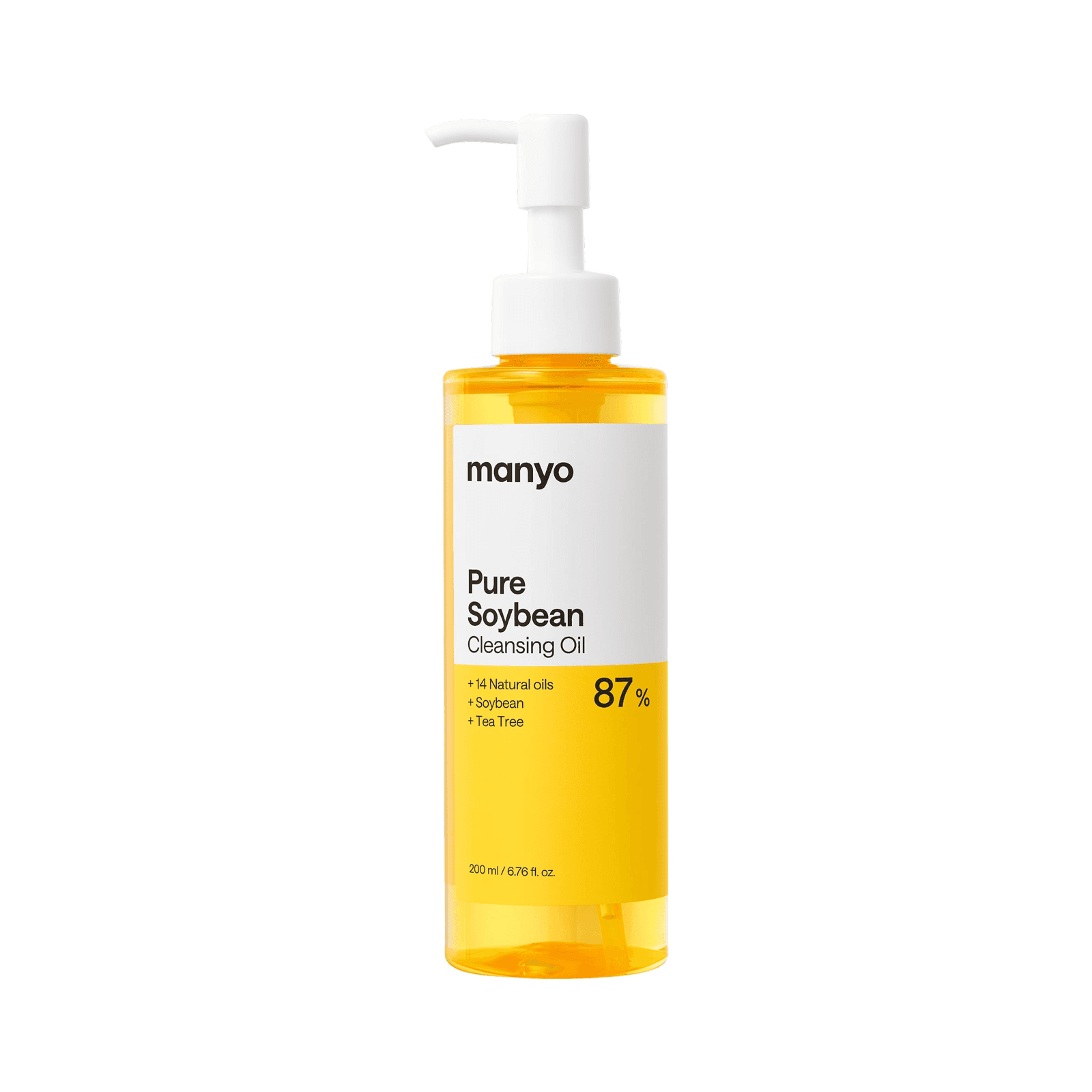
Manyo Pure Soybean Cleansing Oil
The oil Google’s first page names most (ma:nyo, often written Manyo), on seven of the 18 pages, four of them as best overall, and now sold in the US as Pure Soybean Cleansing Oil (formerly Pure Cleansing Oil), with soybean, hazelnut and grape seed oils first. But its US list has orange peel oil 8th, lavender oil 11th and tea tree oil 14th, plus limonene and linalool, and water 12th, while Allure calls it fragrance-free and Marie Claire’s table unscented. Amazon’s listing still uses the old Pure Cleansing Oil name and an older list. Round Lab took the Korean slot with its scent near the end of its list; haruharu wonder, also Korean, lists none.
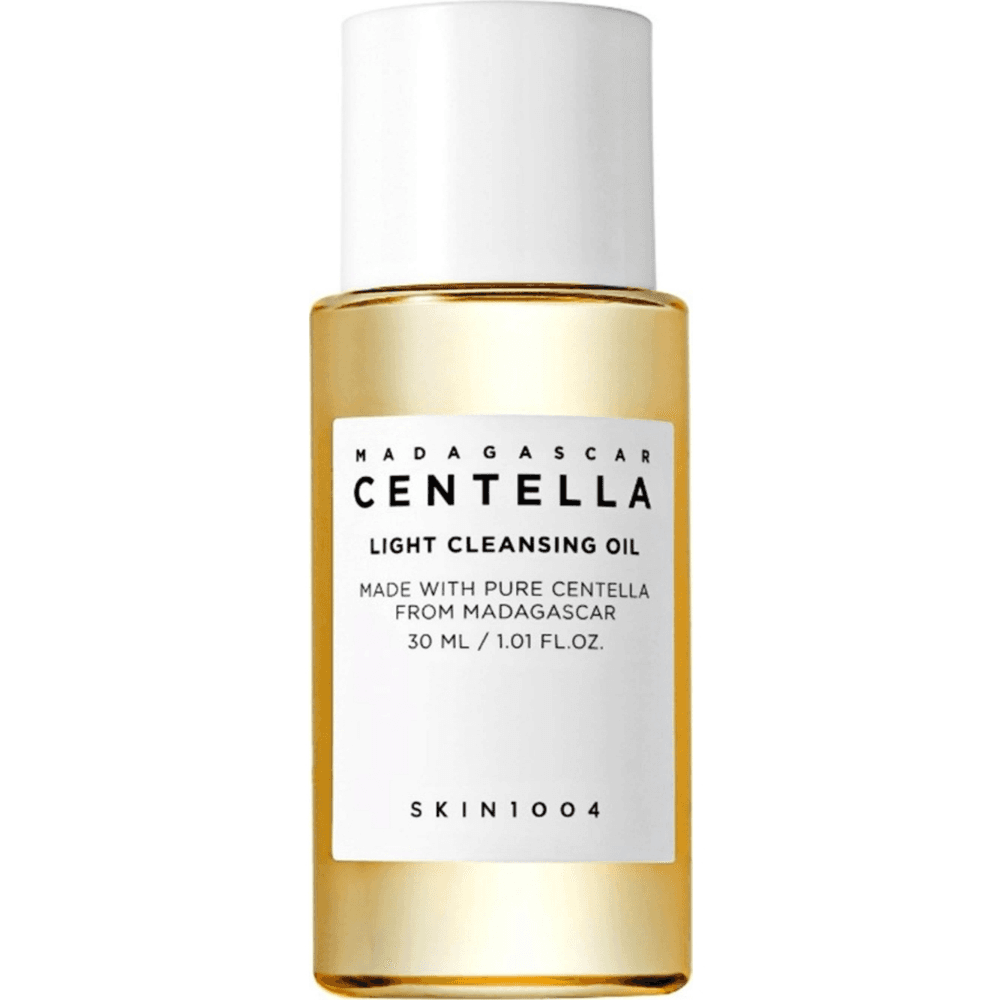
SKIN1004 Madagascar Centella Light Cleansing Oil
Six of the 18 pages name it, and its base is water-free esters, but bergamot oil is 5th, ahead of the centella extract, with geranium and rose oils, limonene and linalool after it. Ulta’s listing puts the jojoba, olive and sunflower oils at 1,000 ppm (0.1%) each, so its plant oils are trace amounts. In the Reddit threads we read, 10 of the 70 people who named it said it broke them out; only KOSE’s Softymo Speedy drew more breakout reports, from 14 of the 155 people who named it (an r/AsianBeauty thread).
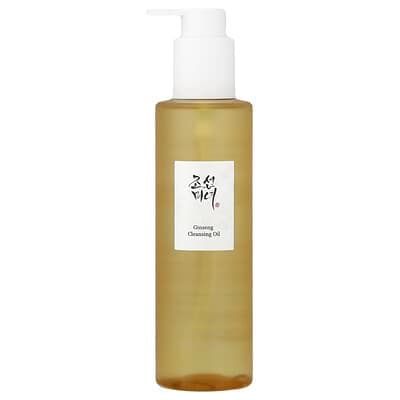
Beauty of Joseon Ginseng Cleansing Oil
Six of the 18 pages name it, but its renewed US list has sage oil 14th with mugwort and basil oils and camphor right after it, plus hydrogenated coconut oil 7th and water 11th. Scent is its top complaint in our Reddit threads, and one user says a reformulation added fragrance (an r/AsianBeauty thread).
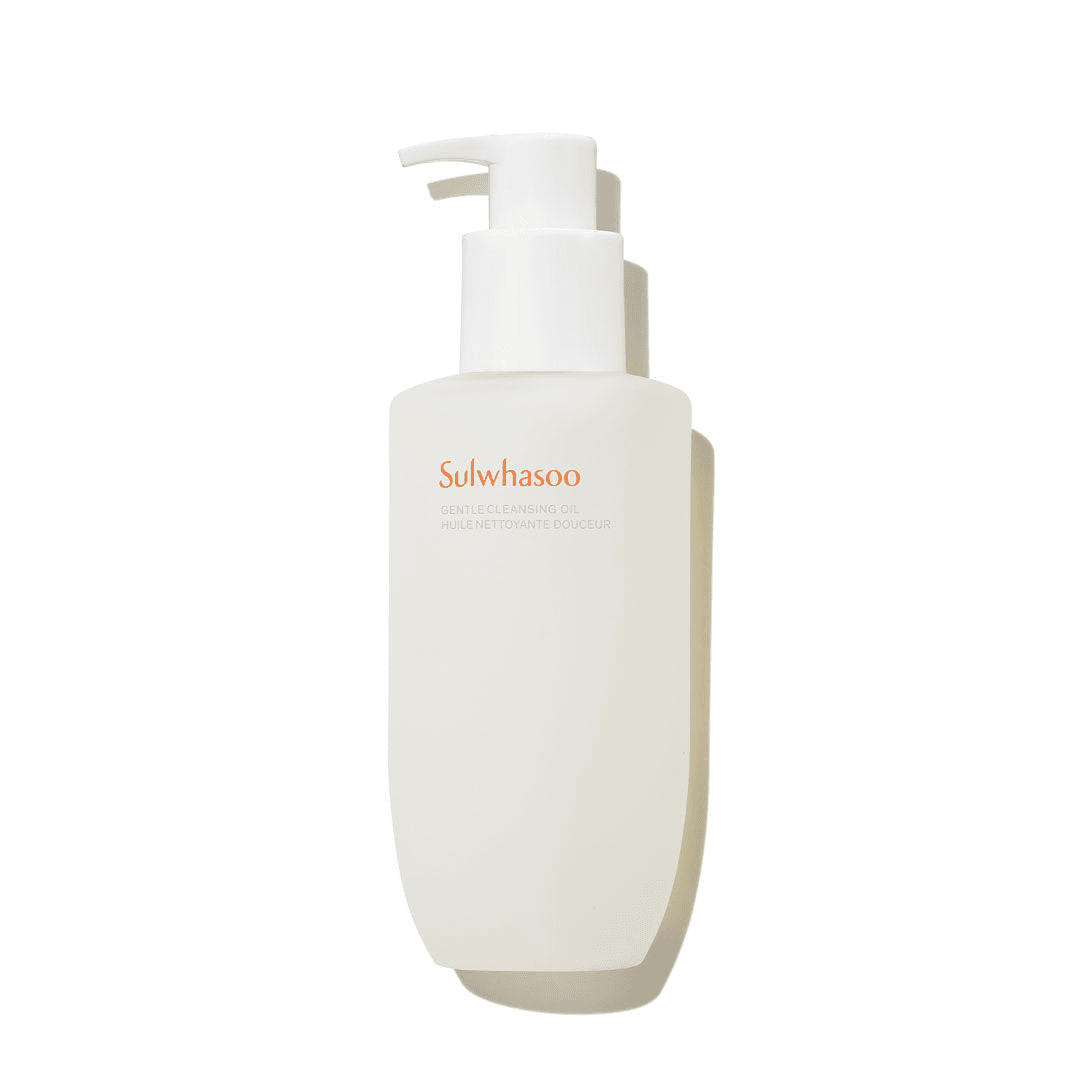
Sulwhasoo Gentle Cleansing Oil
Marie Claire’s best overall and the dry-skin pick of Allure’s Korean guide, and 26 of the 28 Reddit users who named it backed it (an r/Sephora thread). But its US list has Fragrance 9th with limonene and linalool, isopropyl palmitate 3rd and coconut oil 8th, and its apricot kernel, pine seed, sesame and camellia oils all come after the water. Bioderma took the dry-skin slot with no fragrance or essential oil.
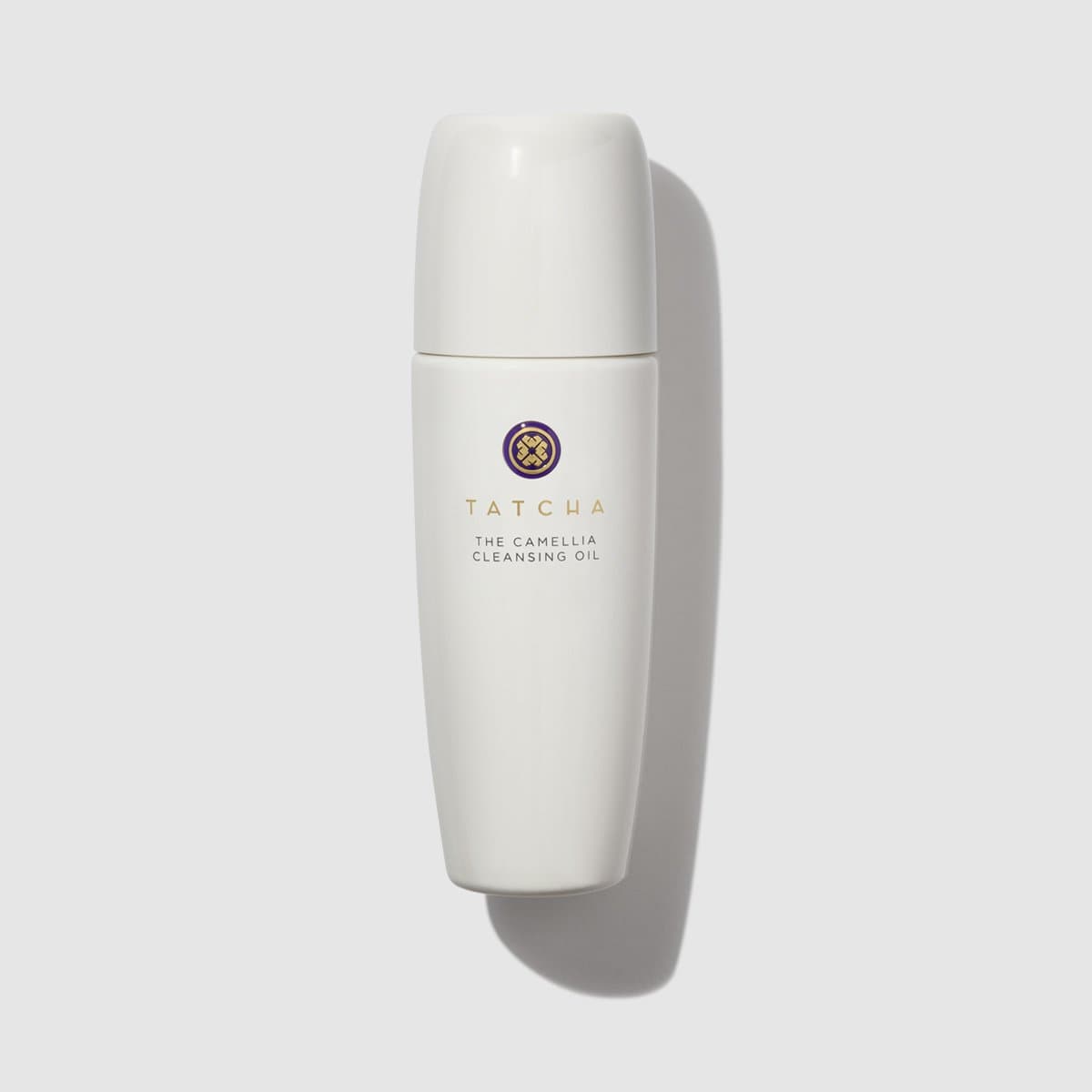
Tatcha The Camellia Cleansing Oil
Allure’s pick for acne-prone skin, and Tatcha’s US page says non-comedogenic and dermatologist tested, but its list has Parfum 14th with limonene and citral, and Allure’s own spec box says it is especially for dry skin. Price is the complaint of 8 of the 21 Reddit users who named it (an r/Sephora thread).
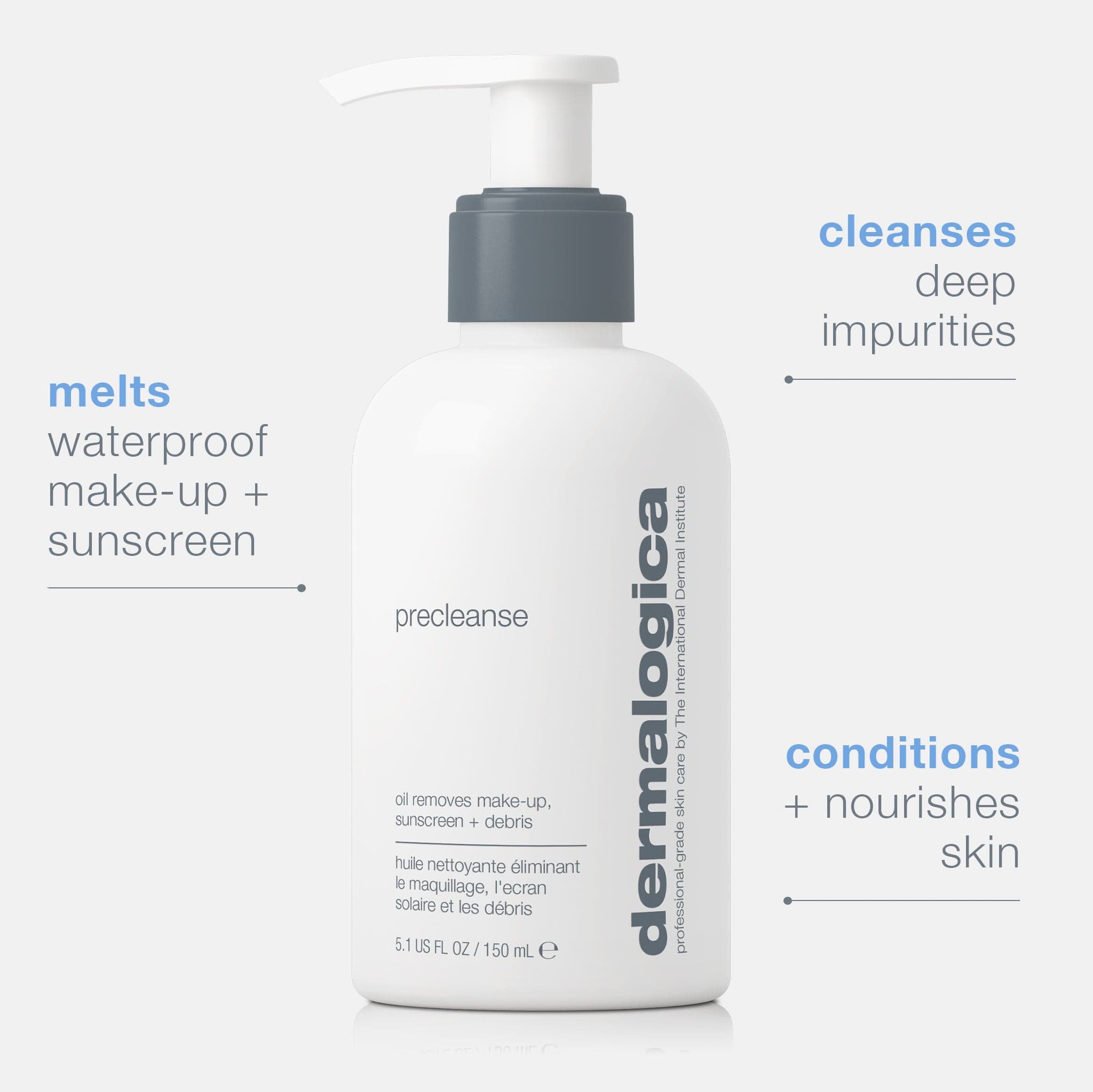
Dermalogica PreCleanse
Water-free, with apricot kernel, sunflower and borage oils, vitamin E and a vitamin C ester, and Dermalogica recommends it for acne and blemishes. But the list carries six essential oils, with orange peel oil 7th, above the sunflower oil, plus citral, limonene and linalool.
iUNIK Calendula Complete Cleansing Oil
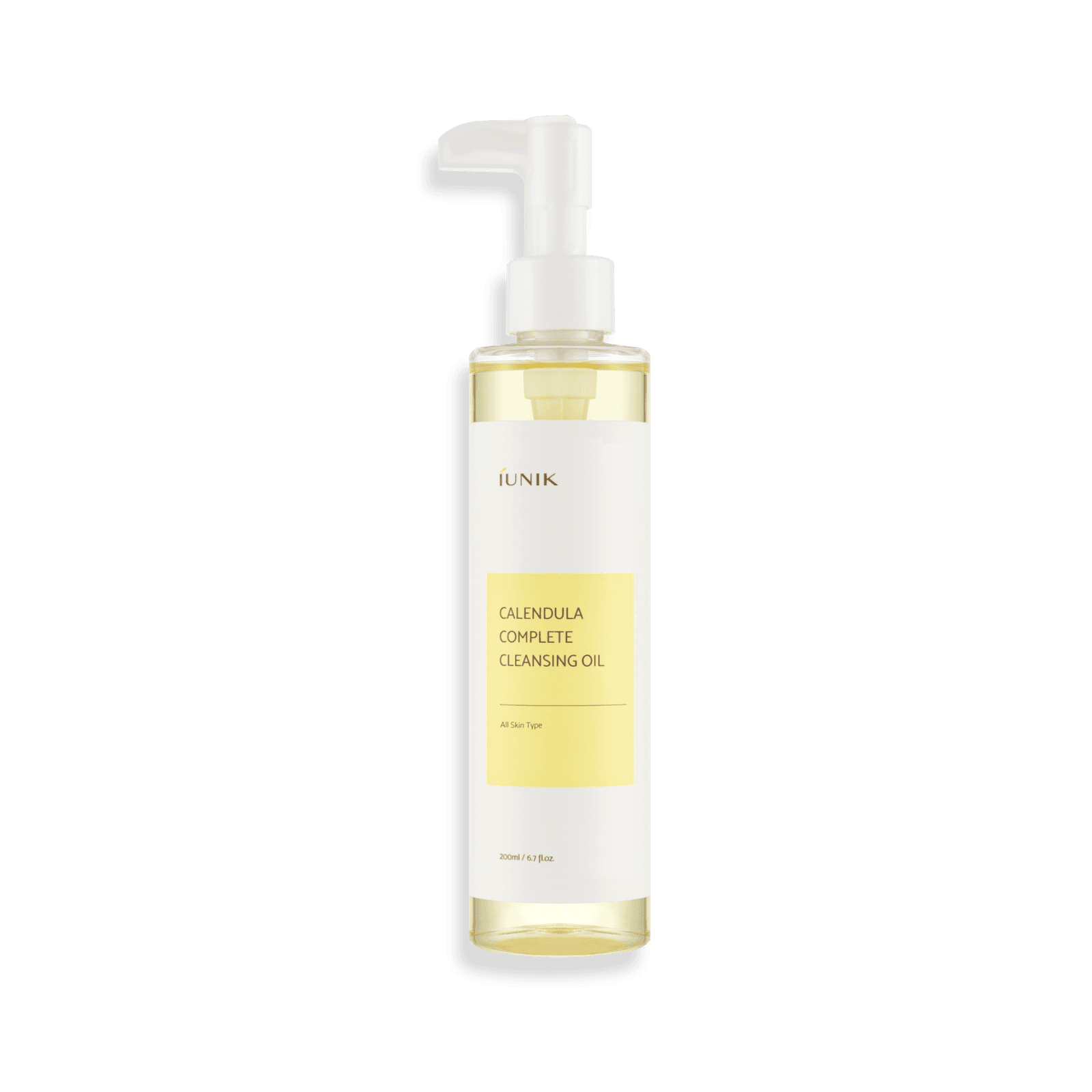
Glamour’s Korean guide picks it for acne-prone skin, and its list is short, water-free and plant oils only: sunflower, canola, jojoba and macadamia. But its “no fragrance” sits beside ylang-ylang oil, 7th of 8, and Glamour’s “just six ingredients” is eight on iUNIK’s own list. We found no Ulta, Sephora or Target listing for it.
Muji Sensitive Skin Cleansing Oil
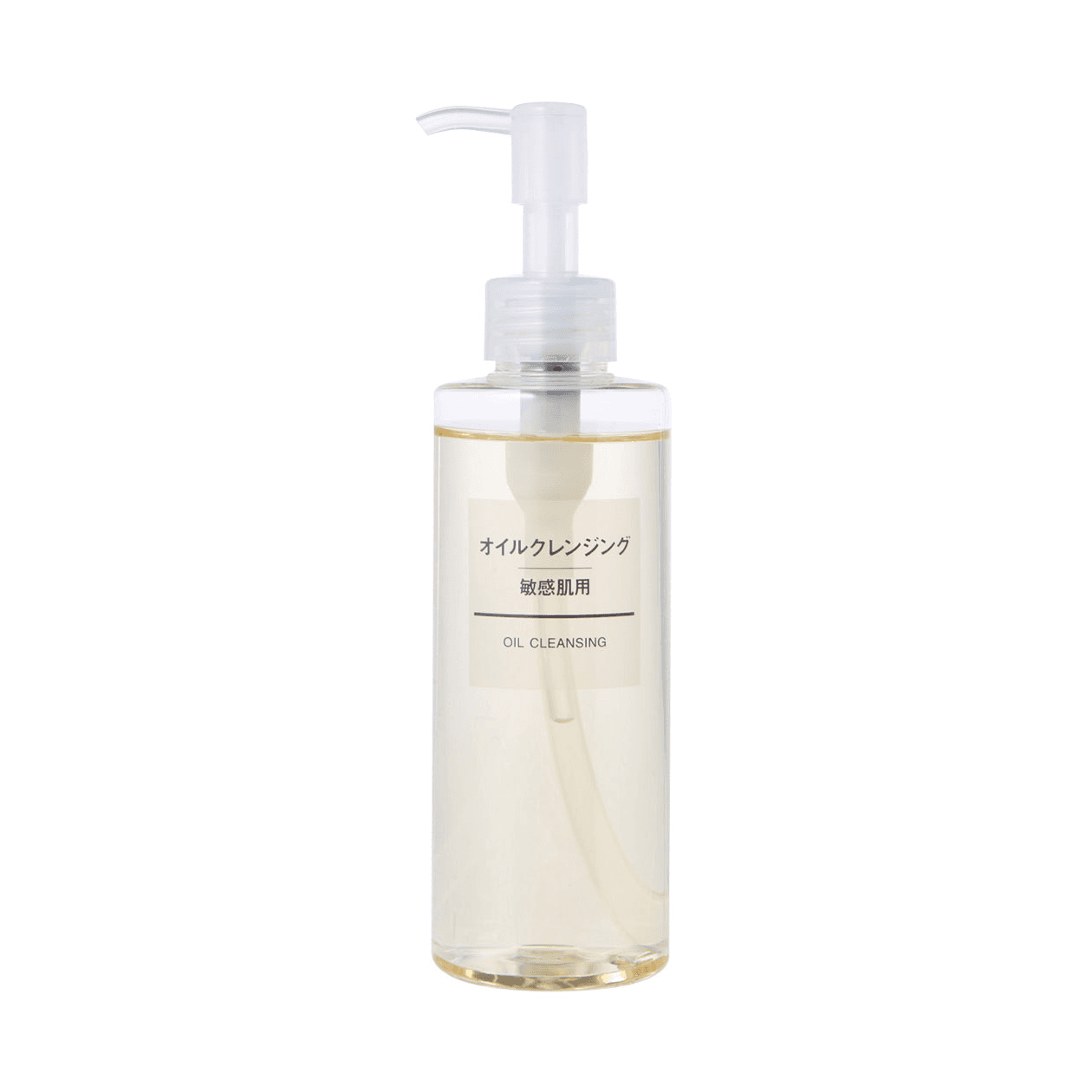
A Japanese oil with a clean US list: olive oil and ethylhexyl palmitate rinsed off by three emulsifiers, with no fragrance, no essential oil and no drying alcohol. Among the Reddit users who named the Sensitive Skin version, 11 backed it and none was against it (an r/AsianBeauty thread). We did not pick it: Muji sells it only in its own US stores and site, the bottle is printed in Japanese, and Reddit users report a 2025 reformulation of Muji’s oils (an r/AsianBeauty thread), so we could not tie the US list to today’s bottle.
Banila Co Clean It Zero Cleansing Balm Original
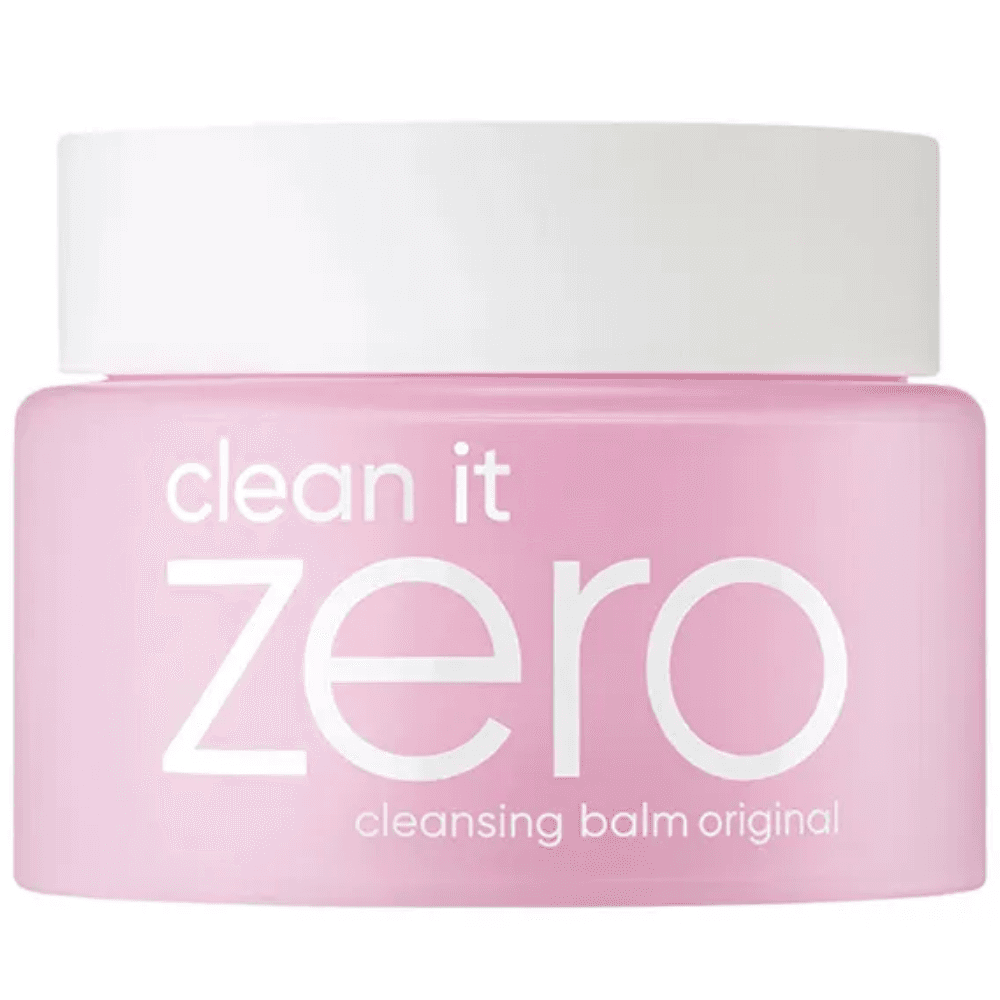
Reddit’s most-backed balm line, but the US list has Fragrance 11th, in an ester-and-synthetic-wax base with no plant oils. Clinique’s balm took the slot with no fragrance.
We also read, and did not pick, Neutrogena’s Ultra Light Cleansing Oil, which lists mineral oil first and fragrance. And we read Hanskin’s Pore Cleansing Oil BHA: Allure’s Korean guide calls it fragrance-free and Marie Claire says it uses salicylic acid, but Ulta’s US list starts with water and has eight essential oils, and its BHA is betaine salicylate, 17th (both read November 3, 2026).
Questions people ask
What is the best oil cleanser?
haruharu wonder Black Rice Moisture Cleansing Oil: nine ingredients, rice bran oil first, with no fragrance, no essential oil and no drying alcohol, and no water. For sensitive skin, Clinique Take The Day Off Cleansing Oil; for dry skin, Bioderma Sensibio Micellar Cleansing Oil; for oily skin, Anua Heartleaf Pore Control Cleansing Oil, which lists Fragrance, though the AAD’s oily-skin page says not to use oil-based cleansers. For acne-prone skin, the AAD says to use an oil-free makeup remover; if you want an oil, Peach & Lily Ginger Melt Oil Cleanser.
Do dermatologists recommend cleansing oils?
For some people. A Cleveland Clinic dermatologist says most people do not need to double cleanse, that the oil step helps most with makeup, especially waterproof makeup or sunscreen, and that an oil used alone can break out acne-prone skin. The AAD is warier: its oily-skin page says not to use oil-based cleansers, and its acne page says to use an oil-free makeup remover.
What is the best Korean cleansing oil, and what is the number one oil cleanser in Korea?
No independent ranking we found settles number one. ma:nyo’s US page calls its oil Korea’s No. 1 Cleansing Oil, the brand’s own claim, and it is the oil Google’s top guides name most, but its US list has three essential oils. Our Korean pick is Round Lab 1025 Dokdo Cleansing Oil, whose two essential oils come 31st and 32nd of 35; haruharu wonder Black Rice Moisture Cleansing Oil is Korean too and lists none.
What makes Korean cleansing oils different?
On the US labels we read, not one formula. SKIN1004 Madagascar Centella Light, Anua Heartleaf Pore Control, Sulwhasoo Gentle and Round Lab 1025 Dokdo start with an ester, a lab-made oil; ma:nyo Pure Soybean, Beauty of Joseon Ginseng, iUNIK Calendula Complete and haruharu wonder Black Rice Moisture start with a plant oil; none starts with mineral oil, as the Japanese pack of KOSE’s Softymo Speedy does (@cosme). What most share is scent: of these eight, only haruharu wonder’s lists none.
What is the best Japanese cleansing oil?
DHC Deep Cleansing Oil: eight ingredients, olive oil first and no water, with no added fragrance, though rosemary leaf oil is 7th. KOSE’s Softymo Speedy is Reddit’s favorite (r/AsianBeauty) but has no US label; the only list we found is its Japanese pack (@cosme). Muji’s Sensitive Skin Cleansing Oil has a clean US list, but Muji sells it only in its own US stores and site.
How do you use a cleansing oil?
Take out contact lenses. On a dry face, massage it in with your fingertips, eyes closed; add a little water and keep massaging until it turns milky (Lab Muffin); rinse with lukewarm water (AAD). Then use a gentle water-based cleanser if your skin is acne-prone (a dermatologist warns that an oil used alone can break it out, Cleveland Clinic) or your brand says to. All nine of our picks’ directions start on dry skin.
What is double cleansing, and is it necessary?
An oil or balm first, then a water-based cleanser. Most people do not need it, a Cleveland Clinic dermatologist says: it helps most with makeup, especially waterproof makeup or sunscreen, and she warns that an oil used alone can break out acne-prone skin. We found no trial comparing it with a single cleanser.
Is an oil cleanser good for oily skin?
It can be, but the sources differ. A Cleveland Clinic dermatologist says the oil step may help oily skin remove excess oil; a family physician writing for Cleveland Clinic says it breaks some people with oily skin out; and the AAD’s oily-skin page says not to use oil-based cleansers, which can irritate skin. Our oily-skin pick, Anua Heartleaf Pore Control Cleansing Oil, has an ester base and lists Fragrance.
Is an oil cleanser good for acne-prone skin, and can it cause acne?
The AAD tells people with acne to use an oil-free makeup remover, and a Cleveland Clinic dermatologist says an oil-based cleanser can cause breakouts, especially used alone. Studies of cleansers in acne are few (Stringer 2018). If you use one, pick a list with no fragrance, essential oil, coconut oil, isopropyl myristate or isopropyl palmitate, such as Peach & Lily Ginger Melt Oil Cleanser, then wash with a gentle cleanser.
Do oil cleansers clog pores? What does non-comedogenic mean?
We found no study showing it either way for rinse-off cleansing oils. Pore-clogging ratings for ingredients come mostly from rabbit-ear tests (Fulton 1984), and the rabbit ear reacts more than human skin, though substances that clogged rabbit pores moderately to strongly also clogged pores on human backs under a patch (Mills and Kligman 1982). “Non-comedogenic” has no federal definition (Boozalis 2018): it is the brand’s word.
Does a cleansing oil remove blackheads or sebaceous filaments?
We found no study showing that it does. Blackhead figures on brand pages, such as haruharu wonder’s 66.49%, are the brands’ own tests, and haruharu’s page gives no panel size. For blackheads, salicylic acid has the better case: see our salicylic acid cleansers and face exfoliators.
Is a cleansing oil good for dry skin?
It can be. In one small sunscreen-removal study, eight people said their skin felt dry after washing with a foaming cleanser, against one after a cleansing oil (Chen 2020); it did not study dry skin itself. Our dry-skin pick is Bioderma Sensibio Micellar Cleansing Oil; for a plant-oil base, haruharu wonder Black Rice Moisture Cleansing Oil or DHC Deep Cleansing Oil. For a moisturizer afterward, see our moisturizers for dry skin.
Should sensitive skin use a cleansing oil?
It can, if the list has no fragrance and no essential oil: fragrance allergy shows mostly on the face, armpits and hands (SCCS 2012), and the AAD tells people with rosacea to choose fragrance-free. Clinique Take The Day Off Cleansing Oil lists no scent and no plant oil. Massage gently: in a small trial run by Kao, a cleansing-oil maker, 35 women who switched to an oil needing less rubbing had less dryness and redness, with no comparison group (Hosokawa 2021).
Cleansing oil or balm: which is better?
Neither, by the evidence: a balm is oil and emulsifier set solid with wax or polyethylene, and we found no study comparing how well they clean. Pick by texture and packaging. Our balms are Clinique Take The Day Off Cleansing Balm and, on a budget, The Inkey List Oat Cleansing Balm.
Oil cleanser or micellar water?
Both take off makeup. A Cleveland Clinic dermatologist suggests micellar water before a gentle cleanser as an alternative to double cleansing. In one small study, an oil took off a waterproof sunscreen far better than a foaming wash (Chen 2020); micellar water was not tested. Every kind of eye makeup remover, micellar included, can reach under the eyelid (TFOS 2023). For acne-prone skin, the AAD says oil-free.
Does a cleansing oil remove waterproof sunscreen and mascara?
Waterproof sunscreen, yes, in one small study (Chen 2020). DHC’s US page says its oil removes waterproof mascara and eyeliner; Clinique’s says its oil dissolves long-wearing eye makeup. In the Reddit threads we read, 34 people said an oil or balm did not fully take off their makeup, waterproof mascara or sunscreen (r/30PlusSkinCare).
Can I use a cleansing oil around my eyes or with contact lenses?
Take lenses out first: in a lab test, cleansing oil soaked into four of seven silicone hydrogel lens brands (Tsukiyama 2017). Eye makeup removers of every kind can move under the eyelid (TFOS 2023), so keep your eyes closed and rinse well. Of our picks, only Clinique’s oil says it is safe for contact lens wearers. Skip scented oils near the eyes: fragrance mix is a top allergen in people with eyelid dermatitis referred for patch testing (Warshaw 2021).
Is a "fragrance-free" cleansing oil always unscented?
No. A brand can call its oil fragrance-free and still list essential oils: DHC’s lists rosemary leaf oil, and iUNIK’s ylang-ylang oil. A US label can also group a whole scent under one word (FDA), and the FDA’s rule to name fragrance allergens had not been proposed when we checked on November 3, 2026; its agenda lists the proposal for November 2026 (Unified Agenda). Across Avina’s catalog, 73% of all cleansing oils list some scent.
How often should you use a cleansing oil? Every day, or in the morning?
Bioderma, Anua (on Ulta's listing) and The Inkey List say theirs can be used morning and night. The AAD’s face-washing advice is to limit washing to twice a day and after sweating, and overwashing can dry and irritate skin, a Cleveland Clinic dermatologist says, so use one when you have makeup or sunscreen to remove.
Can I use plain olive or coconut oil instead?
Plain oil has no emulsifier, so it does not rinse off the same way and leaves more oil on the skin (Lab Muffin). A Cleveland Clinic dermatologist calls coconut oil highly comedogenic and generally not recommended on the face, though she says a little can take off makeup if you wash with a water-based cleanser after; the only report we found of it clogging pores in a person is a single 1988 case (Srinivas 1988).
What is the best drugstore oil cleanser?
We did not name one. Neutrogena’s Ultra Light Cleansing Oil, still on Neutrogena’s US site, lists mineral oil first and fragrance 11th there (read November 3, 2026), so it is not a pick, and we did not check drugstore shelves for our picks.
Sources
- American Academy of Dermatology: I have acne! Is it okay to wear makeup?
- American Academy of Dermatology: Face washing 101
- American Academy of Dermatology: 10 skin care habits that can worsen acne
- American Academy of Dermatology: How to control oily skin
- American Academy of Dermatology: 7 rosacea skin care tips dermatologists recommend
- American Academy of Dermatology: Dermatologists' top tips for relieving dry skin
- Chen et al.: The optimal cleansing method for the removal of sunscreen: water, cleanser or cleansing oil? Journal of Cosmetic Dermatology (2020)
- Stringer et al.: Clinical evidence for washing and cleansers in acne vulgaris, a systematic review, Journal of Dermatological Treatment (2018)
- Cleveland Clinic: Double cleansing method explained: should you try it? (Jane Wu, MD, June 21, 2022)
- Cleveland Clinic: 8 tips for getting rid of oily skin (Simon Hodes, MB ChB, family physician, May 22, 2023)
- Cleveland Clinic: Should you use coconut oil on your skin? (Jane Wu, MD, December 29, 2022)
- Lab Muffin Beauty Science (Michelle Wong): Fact-check feature: how do cleansing oils work? (2014)
- COSMILE Europe (Cosmetics Europe, the EU cosmetics trade association): PEG-20 glyceryl triisostearate
- 21 CFR 701.3: order of ingredients on cosmetic labels (the 1% rule)
- FDA: Fragrances in cosmetics
- 21 U.S.C. 364e: Labeling (fragrance allergens), Modernization of Cosmetics Regulation Act
- Office of Information and Regulatory Affairs, Unified Agenda: Disclosure of Fragrance Allergens in Cosmetic Labeling, RIN 0910-AI90 (FDA)
- FDA: Cosmetics labeling claims
- U.S. Food and Drug Administration: Hypoallergenic cosmetics
- Boozalis and Patel: Clinical utility of marketing terms used for over-the-counter dermatologic products, Journal of Dermatological Treatment (2018)
- Scientific Committee on Consumer Safety (European Commission): Opinion on fragrance allergens in cosmetic products, SCCS/1459/11 (2012)
- de Groot and Schmidt: Essential oils, part IV: contact allergy, Dermatitis (2016)
- de Groot and Schmidt: Tea tree oil: contact allergy and chemical composition, Contact Dermatitis (2016)
- Xu et al.: Consumer preferences, product characteristics, and potentially allergenic ingredients in best-selling moisturizers, JAMA Dermatology (2017)
- Fulton, Pay and Fulton: Comedogenicity of current therapeutic products, cosmetics, and ingredients in the rabbit ear, Journal of the American Academy of Dermatology (1984)
- Nguyen, Dang and Maibach: Comedogenicity in rabbit: some cosmetic ingredients/vehicles, Cutaneous and Ocular Toxicology (2007)
- Mills and Kligman: A human model for assessing comedogenic substances, Archives of Dermatology (1982)
- Draelos and DiNardo: A re-evaluation of the comedogenicity concept, Journal of the American Academy of Dermatology (2006)
- Zimmermann: The rabbit ear model as comedogenic test, part 3 (in German), Dermatologische Monatsschrift (1990)
- Srinivas et al.: Comedones induced by coconut oil in a borderline tuberculoid lesion, International Journal of Leprosy and Other Mycobacterial Diseases (1988)
- Warshaw et al.: Eyelid dermatitis in patients referred for patch testing: retrospective analysis of North American Contact Dermatitis Group data, 1994-2016, Journal of the American Academy of Dermatology (2021)
- Tsukiyama et al.: Cosmetic cleansing oil absorption by soft contact lenses in dry and wet conditions, Eye & Contact Lens (2017)
- Sullivan et al. (Tear Film and Ocular Surface Society, a workshop backed by eye-care company donations): TFOS Lifestyle: Impact of cosmetics on the ocular surface, The Ocular Surface (2023)
- Hosokawa et al. (Kao Corporation, maker of Biore and Curel): Rubbing the skin when removing makeup cosmetics is a major factor that worsens skin conditions in atopic dermatitis patients, Journal of Cosmetic Dermatology (2021)
- National Eczema Association: About the NEA Seal of Acceptance
- @cosme (cosme.net): KOSE Cosmeport Softymo Speedy Cleansing Oil 240 mL, product data and full ingredient list (in Japanese)
- BBC News: Backlash over Japan cosmetics boss 'racist' comments (December 17, 2020)
- Reddit, r/AsianBeauty: "What is your favourite oil cleanser that doesn't break you out?" (2024)
- Reddit, r/AsianBeauty: "What is your favorite cleansing oil?" (2026)
- Reddit, r/AsianBeauty: "Favorite oil cleanser for oil cleansing? Especially for stubborn pores" (2024)
- Reddit, r/30PlusSkinCare: "What oil cleanser do you use?" (2022)
- Reddit, r/Sephora: "Favorite oil cleanser?" (2023)
- Reddit, r/AsianBeauty: "best and worst oil cleanser for acne-prone skin?" (2024)
- Reddit, r/AsianBeauty: "What's your opinion on ONLY using oil cleanser?" (2024)
- Reddit, r/AsianBeauty: "Oil cleansers" (2025)
- Reddit, r/EuroSkincare: "The quest for the best (oil cleansers)" (2025)
- Reddit, r/Makeup: "Cleansing Oil for girlfriend" (2025)
- Reddit, r/30PlusSkinCare: "Best cleansing oil?" (2022)
Written by Avina Picks. Not clinically reviewed, and not a treatment plan: ask a dermatologist about a skin condition, a prescription, pregnancy or breastfeeding.
A clean face starts with the first cleanse
Avina keeps your evening routine with your real products, in the order you use them, cleansing oil first, and records the nights you did it.

More from Avina Picks
- Acne face wash
The Best Face Washes for Acne
CeraVe's Acne Foaming Cream Cleanser is our pick: 4% benzoyl peroxide in a cream wash with ceramides, and no fragrance. For salicylic acid, The Inkey List's 2% cleanser; for body acne, PanOxyl's 10% wash.Updated - Salicylic acid cleanser
The Best Salicylic Acid Cleansers
The Inkey List's Salicylic Acid Cleanser is our pick: 2%, the most a US acne wash can hold, with no fragrance, sulfate or menthol. For oily skin and blackheads, CeraVe's Acne Control Cleanser; for dry skin, Cetaphil's Pore Clearing wash.Updated - Korean moisturizer
The Best Korean Moisturizers
Aestura's Atobarrier365 Cream is our pick for most people: ceramide NP, cholesterol and niacinamide with no fragrance, and the Korean moisturizer Reddit users recommend most. For acne-prone skin, Dr.G's Red Blemish cream; for oily skin, Purito's Oat-in gel; for sensitive skin, Etude's SoonJung 2x.Published